
Abbe Value Chart
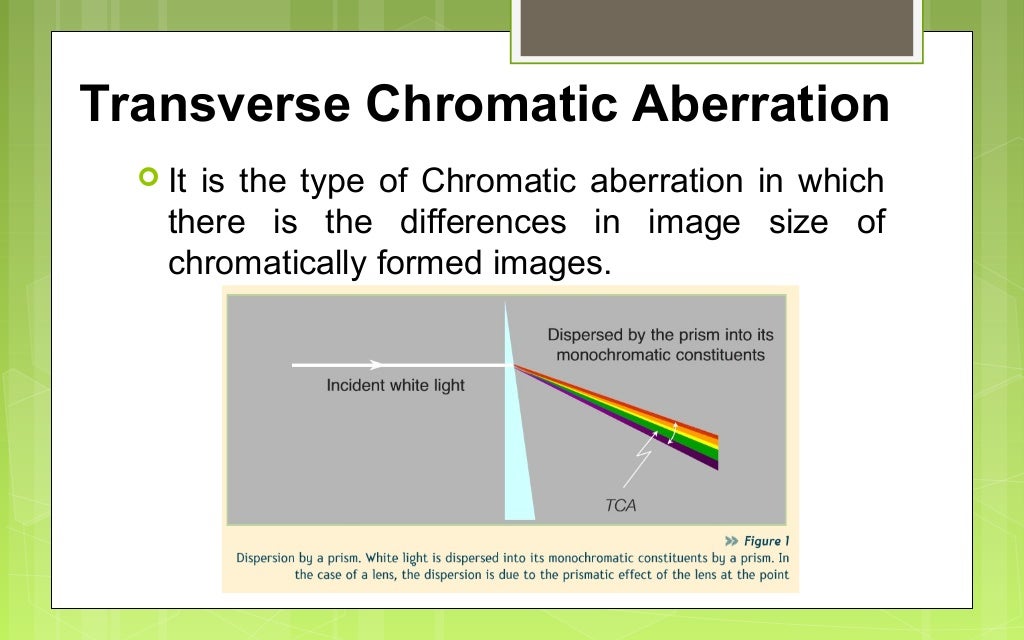
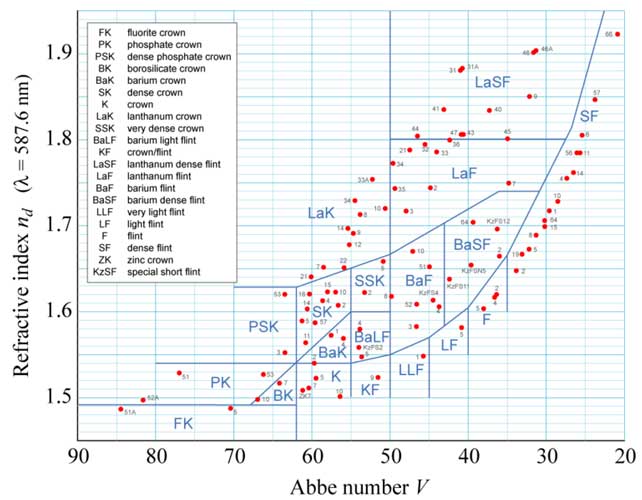
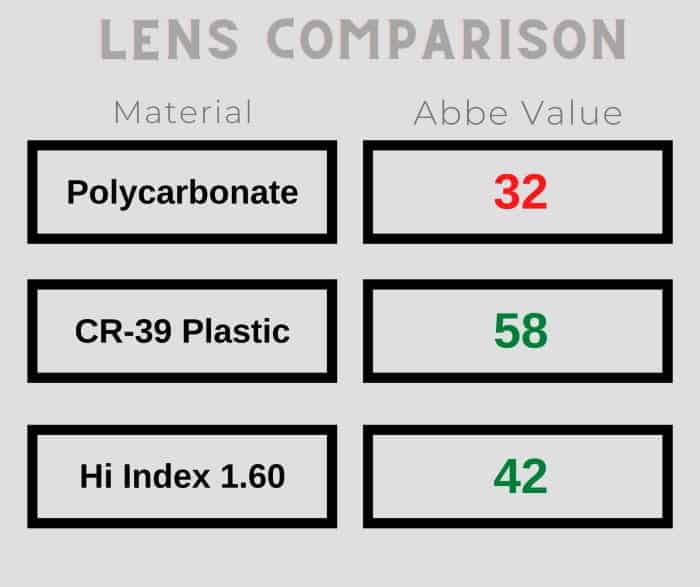
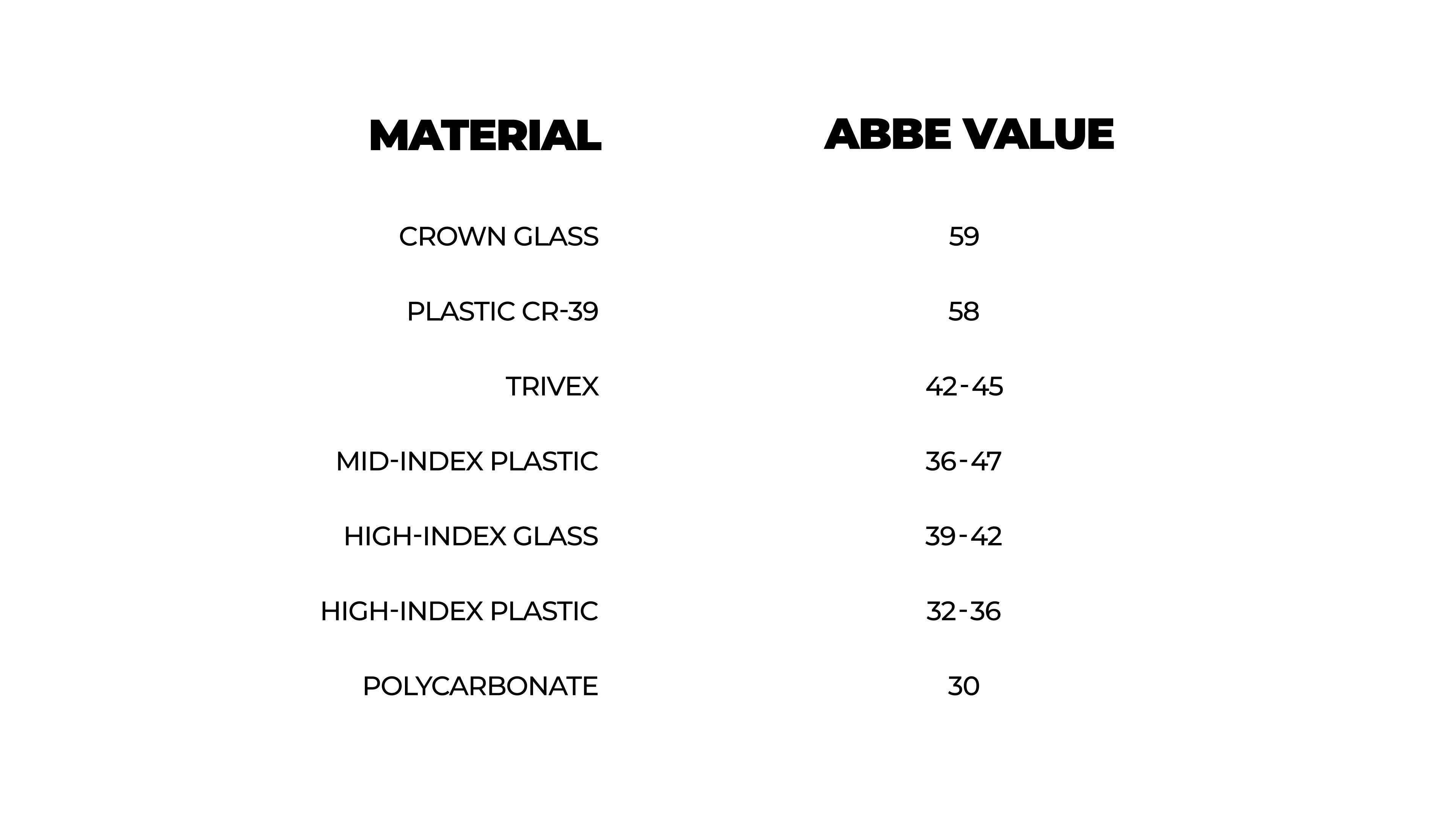
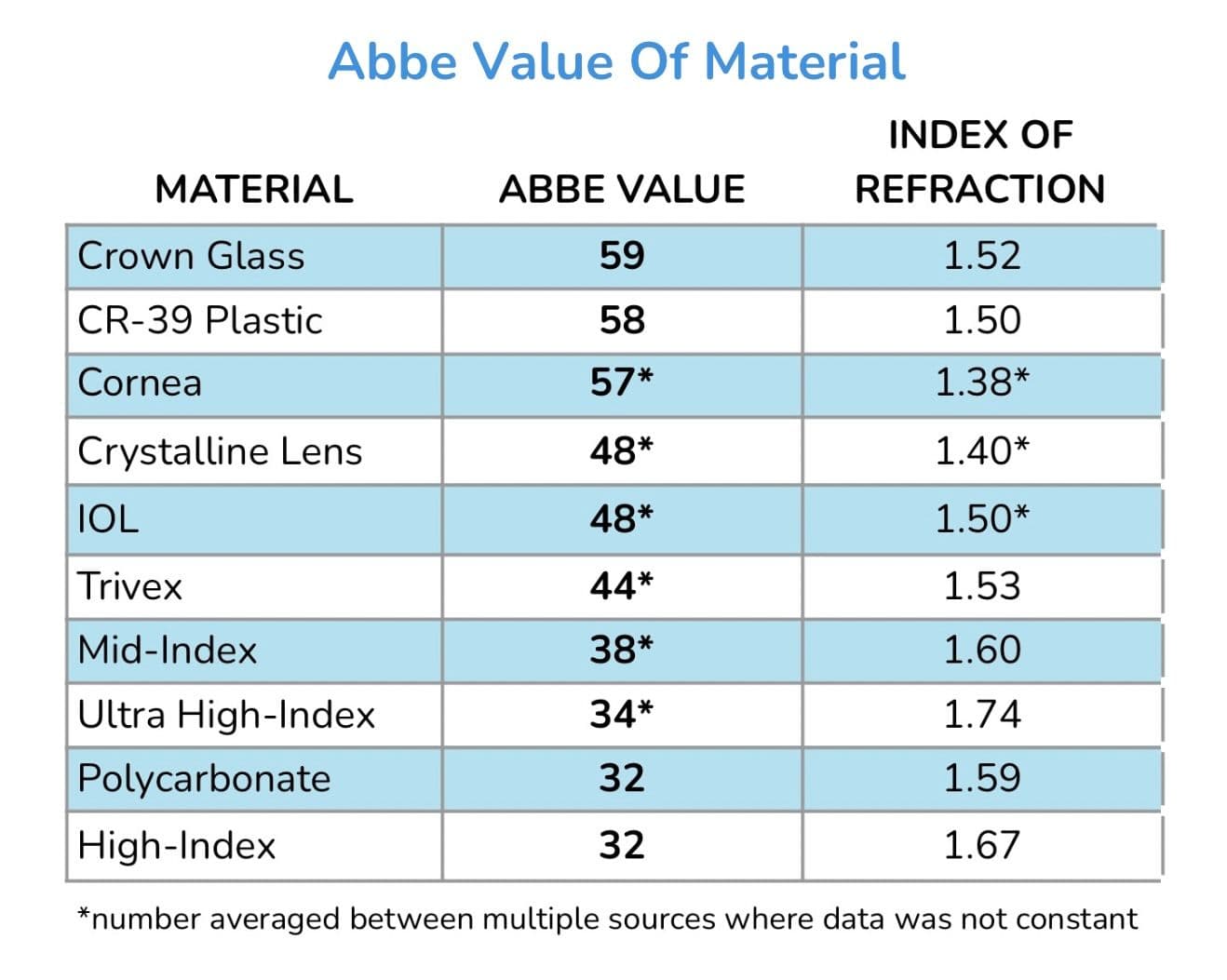
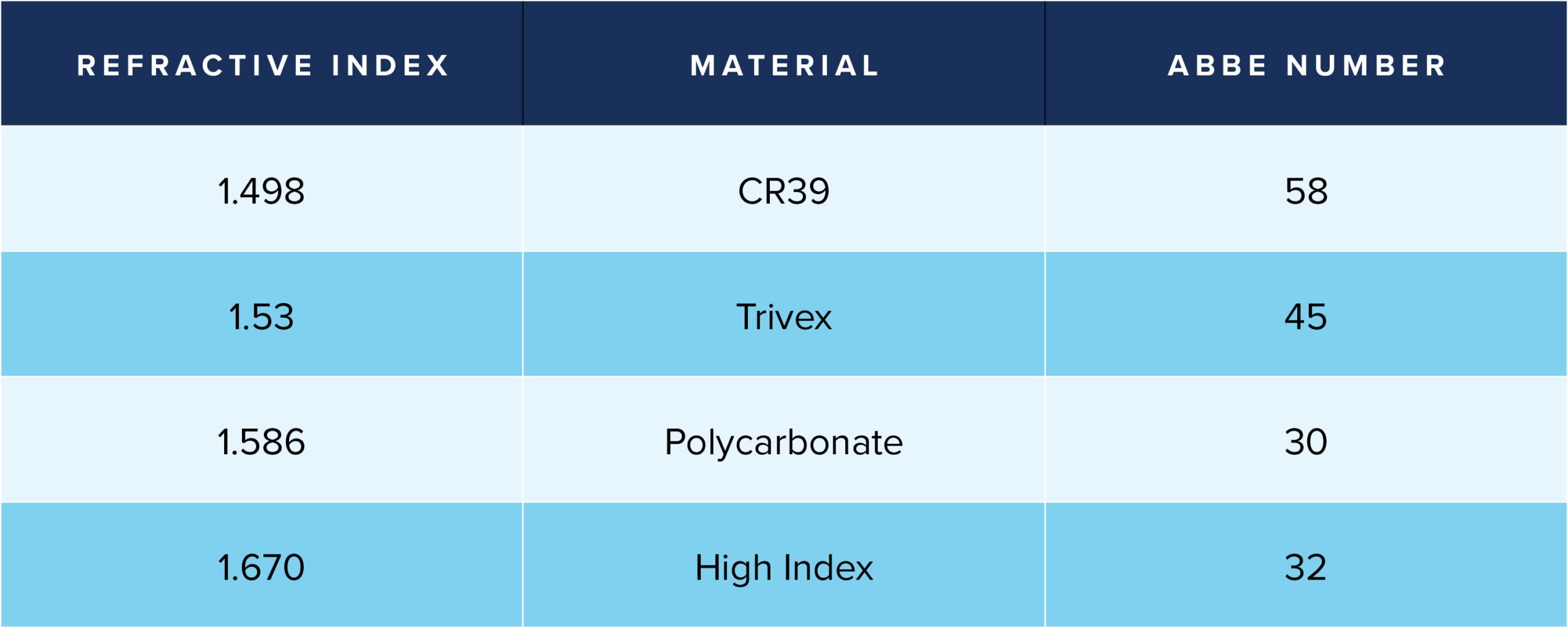
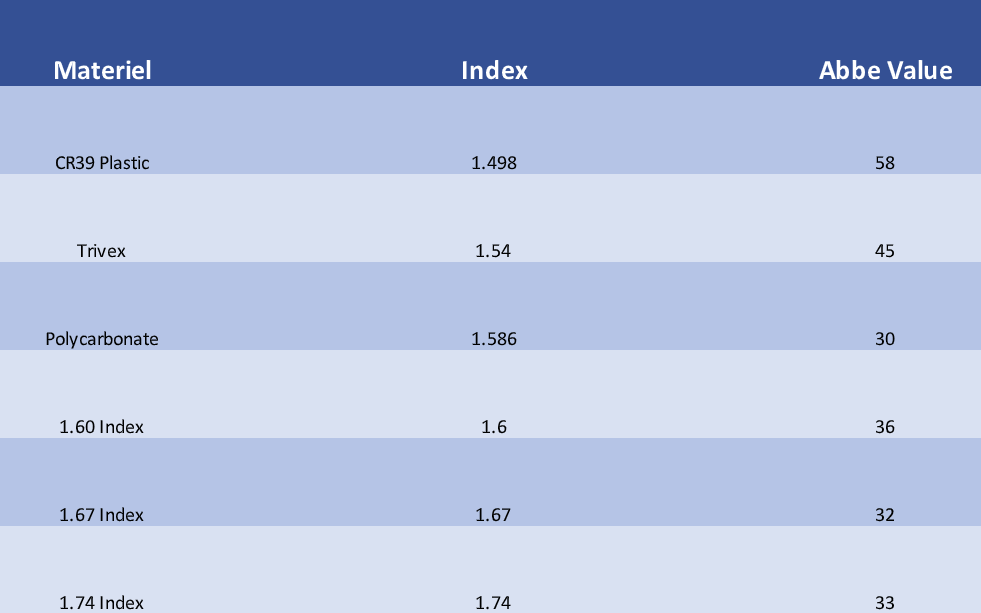
Abbe Value Chart - Dispersive power being the characteristic of a lens that breaks up white light into its component colors, a rainbow. Memorize this chart, it will not only help you with test questions but help dispense the correct material for a patient. Most commonly used ophthalmic plastic lens materials have abbe values between 30 and 58, the higher the number the better optical performance. It is named after the german physicist ernst abbe who defined it. Web the abbe value is crucial in selecting materials for lenses because it affects the visual clarity and color fringing (chromatic aberration) experienced by the wearer. The lower the abbe number, the more likely the lens material is to cause chromatic aberration. Web the abbe value of a material is inversely proportional to the chromatic aberration induced as light passes through it. Polycarbonate is the worst performing commonly used plastic, having the. All optical measurements are based upon us standards (helium d line). Web named after the german optical engineer and physicist ernst abbe, the abbe value measures the degree to which a lens material disperses light into its spectral colors. As you go through the chart you can see the abbe value dropping with an increase in lens index. Web the abbe value of a lens material (sometimes referred to as nu value or v number) is the reciprocal of the dispersive power of the lens. Dispersive power being the characteristic of a lens that breaks up white light into its component colors, a rainbow. The dispersion occurs at any time when white light is broken into its component colors. The red dots denote each glass type, and the blue labels subcategorize the glass types. Polycarbonate is the worst performing commonly used plastic, having the. Memorize this chart, it will not only help you with test questions but help dispense the correct material for a patient. It is named after the german physicist ernst abbe who defined it. Web chromatic aberration doesn't have to be confusing! The lower the abbe number, the more likely the lens material is to cause chromatic aberration. Web the abbe number of a material is a measure for its chromatic dispersion. Chromatic aberration is when white light is broken up into component colors. As you go through the chart you can see the abbe value dropping with an increase in lens index. Actual values may vary depending upon individual lens supplier and product type. It is given. It can be used for classifying materials with the abbe diagram. Polycarbonate is the worst performing commonly used plastic, having the. Chromatic aberration is when white light is broken up into component colors. The dispersion occurs at any time when white light is broken into its component colors. Web the abbe value of a material is inversely proportional to the. Web explore our interactive abbe diagram and discover which type of glass is suitable for your application. Web what is an abbe value? Also known as abbe constant, it inversely quantifies the amount of dispersion in an optical medium. The dispersion occurs at any time when white light is broken into its component colors. Web the abbe value of a. Plenty of people cannot adapt to a polycarbonate lens. It is given by a function of the refractive index of a material at the f (486.1nm), d (587.6nm), and c (656.3nm) wavelengths. Web chromatic aberration doesn't have to be confusing! Most commonly used ophthalmic plastic lens materials have abbe values between 30 and 58, the higher the number the better. Web here in the chart below you can see the difference in abbe values between the different thin lens materials. Web abbe values, & index of refraction. In general, the abbe value of a lens is the objective score or measure of the dispersion of light at multiple wavelengths as the light passes through the lens or material. Web explore. Web the abbe number of a material is a measure for its chromatic dispersion. Web with a greater understanding of abbe value, you will be able to confidently factor in all variables when considering the best options for your patient. Web opticampus material reference chart. Most commonly used ophthalmic plastic lens materials have abbe values between 30 and 58, the. As you go through the chart you can see the abbe value dropping with an increase in lens index. Web the abbe value of a material is inversely proportional to the chromatic aberration induced as light passes through it. Web named after the german optical engineer and physicist ernst abbe, the abbe value measures the degree to which a lens. Remember that the higher the abbe value the less chromatic aberrations in a lens. The higher the abbe number, the less chromatic dispersion. Web abbe values of eyeglass lens materials range from a high of 59 (regular glass) to a low of 30 (polycarbonate). As you go through the chart you can see the abbe value dropping with an increase. The higher the number, the less amount of aberration. The lower the abbe number, the more likely the lens material is to cause chromatic aberration. As you go through the chart you can see the abbe value dropping with an increase in lens index. Web the abbe value of polycarbonate is 30, the lowest of all lens materials making it. In other words, the higher the abbe value, the lower the amount of chromatic aberration. In general, the abbe value of a lens is the objective score or measure of the dispersion of light at multiple wavelengths as the light passes through the lens or material. It can be used for classifying materials with the abbe diagram. It is given. Learn how abbe value, rx, and lens material effect the optics of patients glasses to help troubleshoot. Web the abbe diagram compares various glass types by plotting its refractive index at a wavelength of 587.6nm and abbe number. Plenty of people cannot adapt to a polycarbonate lens. All optical measurements are based upon us standards (helium d line). Web here in the chart below you can see the difference in abbe values between the different thin lens materials. Actual values may vary depending upon individual lens supplier and product type. Web opticampus material reference chart. In general, the abbe value of a lens is the objective score or measure of the dispersion of light at multiple wavelengths as the light passes through the lens or material. It is a measure of the degree to which light is dispersed or separated when passing through a lens. Web the abbe value is crucial in selecting materials for lenses because it affects the visual clarity and color fringing (chromatic aberration) experienced by the wearer. It is named after the german physicist ernst abbe who defined it. Trademarks may apply and are property of the owners as indicated. Web the abbe value is a number given to describe the amount of chromatic aberration of an ophthalmic lens material. The lower the abbe number, the more likely the lens material is to cause chromatic aberration. Web one very important property of an optical lens material is the abbe value. Web named after the german optical engineer and physicist ernst abbe, the abbe value measures the degree to which a lens material disperses light into its spectral colors.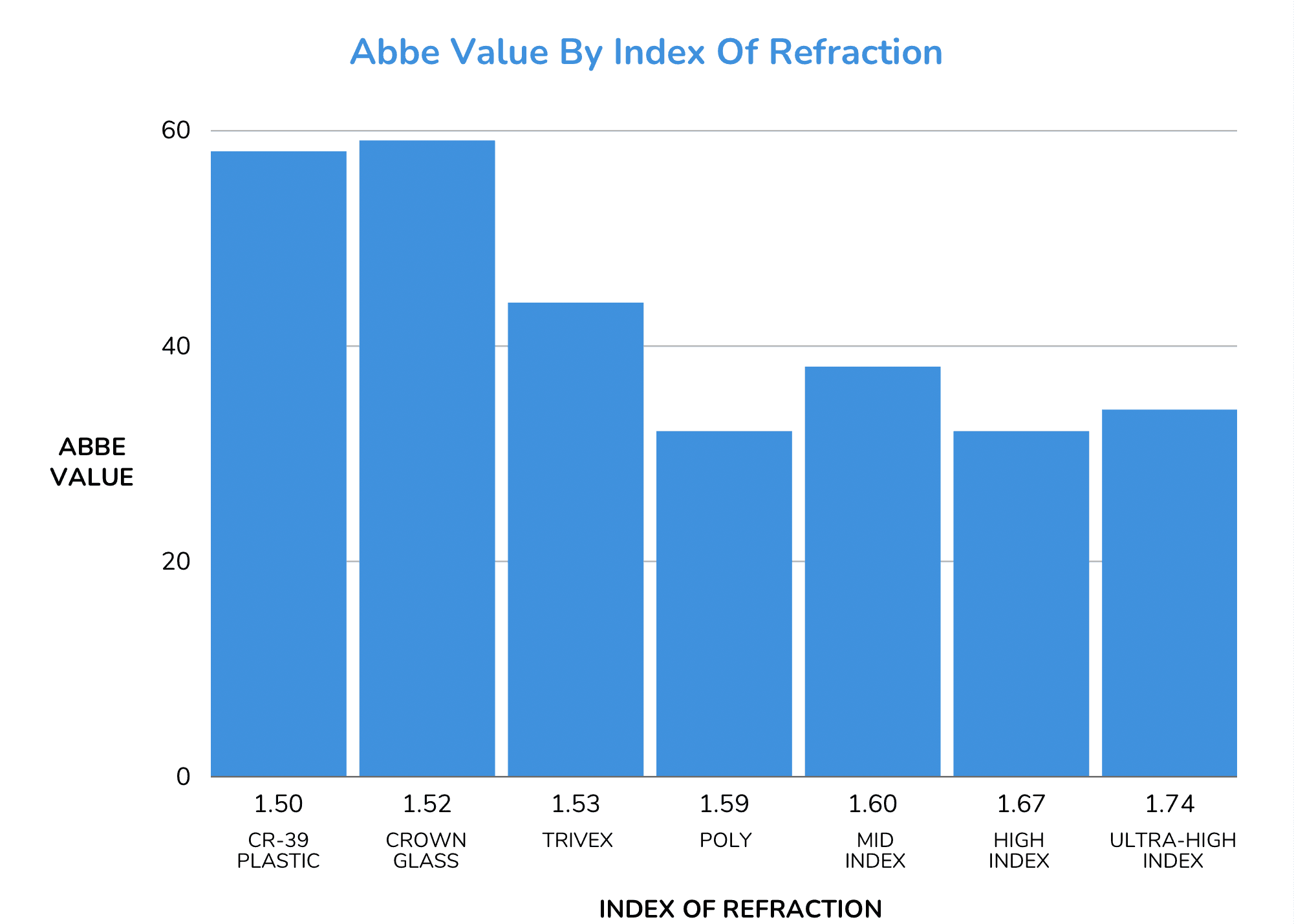
The Ultimate Guide to Understanding Abbe Value
Abbe value
Abbe number
Polycarbonate vs. Plastic Lenses Which Should You Get?
Trivex vs. Polycarbonate Lenses SportRx

Abbe number
The Ultimate Guide to Understanding Abbe Value
Refractive Index Chart Optical Mineralogy
Understanding How Abbe Value Can Affect Chromatic Aberration
The Ultimate Guide to Understanding Abbe Value
Web Abbe Values Of Eyeglass Lens Materials Range From A High Of 59 (Regular Glass) To A Low Of 30 (Polycarbonate).
Most Commonly Used Ophthalmic Plastic Lens Materials Have Abbe Values Between 30 And 58, The Higher The Number The Better Optical Performance.
Web With A Greater Understanding Of Abbe Value, You Will Be Able To Confidently Factor In All Variables When Considering The Best Options For Your Patient.
Polycarbonate Is The Worst Performing Commonly Used Plastic, Having The.
Related Post: