
Concrete Slab Thickness Chart
Concrete Slab Thickness Chart - Properties of the surface are determined by the mixture proportions and the quality of the concreting and jointing operations. Understanding the load on a floor plate is the initial step to determining the concrete slab thickness. It calculates the thickness required to ensure structural integrity and prevent excessive deflection under the given load conditions. In general, 6 inch (150mm) slab thickness is considered for residential and commercial buildings with reinforcement details as per design. Web thickness of concrete slab depends on loads and size of the slab. Also find out the thickness requirements for the concrete apron at the entrance to your driveway. Depending on how much weight the slab will hold, your budget, and local building codes, concrete slabs can be up to 20 inches. Web in general fine aggregate used in concrete floor slabs should have a fm between 2.3 and 3.1. Web generally, concrete residential house and garage slabs are 4 to 6 inches thick. There are many variables, and what works for a patio won’t work for a house or public bridge. Properties of the surface are determined by the mixture proportions and the quality of the concreting and jointing operations. Methods used for finding slab thickness varies for different types of slabs. Web required thickness of concrete slabs. Web in general fine aggregate used in concrete floor slabs should have a fm between 2.3 and 3.1. Web most building codes require concrete patio slabs to be laid at a minimum thickness of 3.5 inches with a compressive strength of 3,000 psi. Also find out the thickness requirements for the concrete apron at the entrance to your driveway. Depending on how much weight the slab will hold, your budget, and local building codes, concrete slabs can be up to 20 inches. Web the quality of a concrete floor or slab is highly dependent on achieving a hard and durable surface that is flat, relatively free of cracks, and at the proper grade and elevation. For concrete slabs on grade, aci 302 recommends the fine aggregate gradation shown in table 6. Understanding the load on a floor plate is the initial step to determining the concrete slab thickness. Web in general fine aggregate used in concrete floor slabs should have a fm between 2.3 and 3.1. Web thickness of concrete slab depends on loads and size of the slab. A higher number indicates a coarser material while a lower number indicates and finer material. For concrete slabs on grade, aci 302 recommends the fine aggregate gradation shown in. Properties of the surface are determined by the mixture proportions and the quality of the concreting and jointing operations. Web required thickness of concrete slabs. In general, 6 inch (150mm) slab thickness is considered for residential and commercial buildings with reinforcement details as per design. There are many variables, and what works for a patio won’t work for a house. It calculates the thickness required to ensure structural integrity and prevent excessive deflection under the given load conditions. Methods used for finding slab thickness varies for different types of slabs. Web generally, concrete residential house and garage slabs are 4 to 6 inches thick. Web most building codes require concrete patio slabs to be laid at a minimum thickness of. Web in general fine aggregate used in concrete floor slabs should have a fm between 2.3 and 3.1. For concrete slabs on grade, aci 302 recommends the fine aggregate gradation shown in table 6. Web most building codes require concrete patio slabs to be laid at a minimum thickness of 3.5 inches with a compressive strength of 3,000 psi. In. There are many variables, and what works for a patio won’t work for a house or public bridge. Web the concrete slab thickness calculator is designed to help users determine the required thickness of a concrete slab based on the load, span, and allowable deflection. Methods used for finding slab thickness varies for different types of slabs. For concrete slabs. Given the industry standard for residential properties is four inches, it’s a good idea to budget for that extra 0.5 inches to provide additional support. Web in general fine aggregate used in concrete floor slabs should have a fm between 2.3 and 3.1. Also find out the thickness requirements for the concrete apron at the entrance to your driveway. Methods. Web concrete per square foot slab. There are many variables, and what works for a patio won’t work for a house or public bridge. Depending on how much weight the slab will hold, your budget, and local building codes, concrete slabs can be up to 20 inches. Methods used for finding slab thickness varies for different types of slabs. Web. Depending on how much weight the slab will hold, your budget, and local building codes, concrete slabs can be up to 20 inches. Web the concrete slab thickness calculator is designed to help users determine the required thickness of a concrete slab based on the load, span, and allowable deflection. Properties of the surface are determined by the mixture proportions. Methods used for finding slab thickness varies for different types of slabs. Web concrete per square foot slab. There are many variables, and what works for a patio won’t work for a house or public bridge. Web the concrete slab thickness calculator is designed to help users determine the required thickness of a concrete slab based on the load, span,. Given the industry standard for residential properties is four inches, it’s a good idea to budget for that extra 0.5 inches to provide additional support. There are many variables, and what works for a patio won’t work for a house or public bridge. Web required thickness of concrete slabs. Web the concrete slab thickness calculator is designed to help users. There are many variables, and what works for a patio won’t work for a house or public bridge. Web the quality of a concrete floor or slab is highly dependent on achieving a hard and durable surface that is flat, relatively free of cracks, and at the proper grade and elevation. Web generally, concrete residential house and garage slabs are 4 to 6 inches thick. Properties of the surface are determined by the mixture proportions and the quality of the concreting and jointing operations. For concrete slabs on grade, aci 302 recommends the fine aggregate gradation shown in table 6. Methods used for finding slab thickness varies for different types of slabs. Web in general fine aggregate used in concrete floor slabs should have a fm between 2.3 and 3.1. Web thickness of concrete slab depends on loads and size of the slab. Web concrete per square foot slab. Web the concrete slab thickness calculator is designed to help users determine the required thickness of a concrete slab based on the load, span, and allowable deflection. Understanding the load on a floor plate is the initial step to determining the concrete slab thickness. A higher number indicates a coarser material while a lower number indicates and finer material. Web required thickness of concrete slabs. It calculates the thickness required to ensure structural integrity and prevent excessive deflection under the given load conditions. Also find out the thickness requirements for the concrete apron at the entrance to your driveway.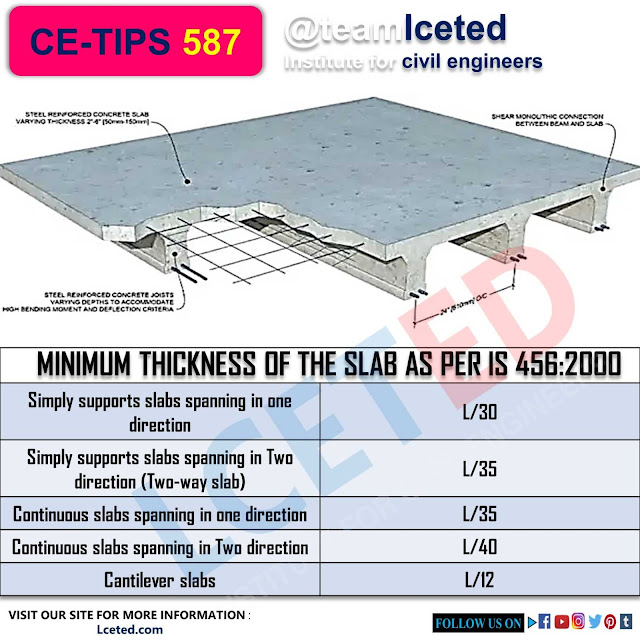
MAXIMUM SIZE OF CONCRETE SLAB, BEAM & COLUMN CALCULATION lceted

Thickness Of Concrete Floor Slab Clsa Flooring Guide

Tips for Specifying, Pouring, and Finishing Concrete Fine Homebuilding
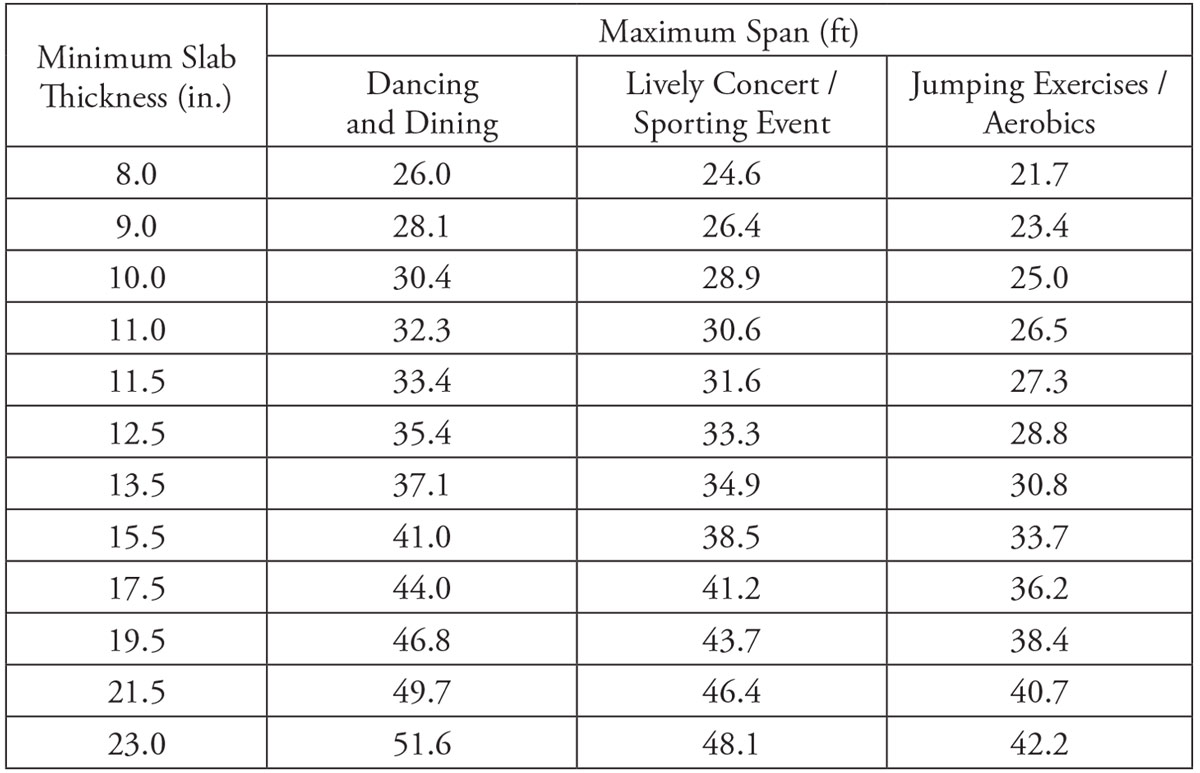
Concrete Slab Thickness Chart

How To Determine Concrete Slab Thickness Why You Need vrogue.co

Concrete Slab Thickness Chart

Concrete Slab on Grade Thickness Analysis

RESULT OF THE CALCULATIONS OF SLAB THICKNESS, VOLUME, FORMWORK
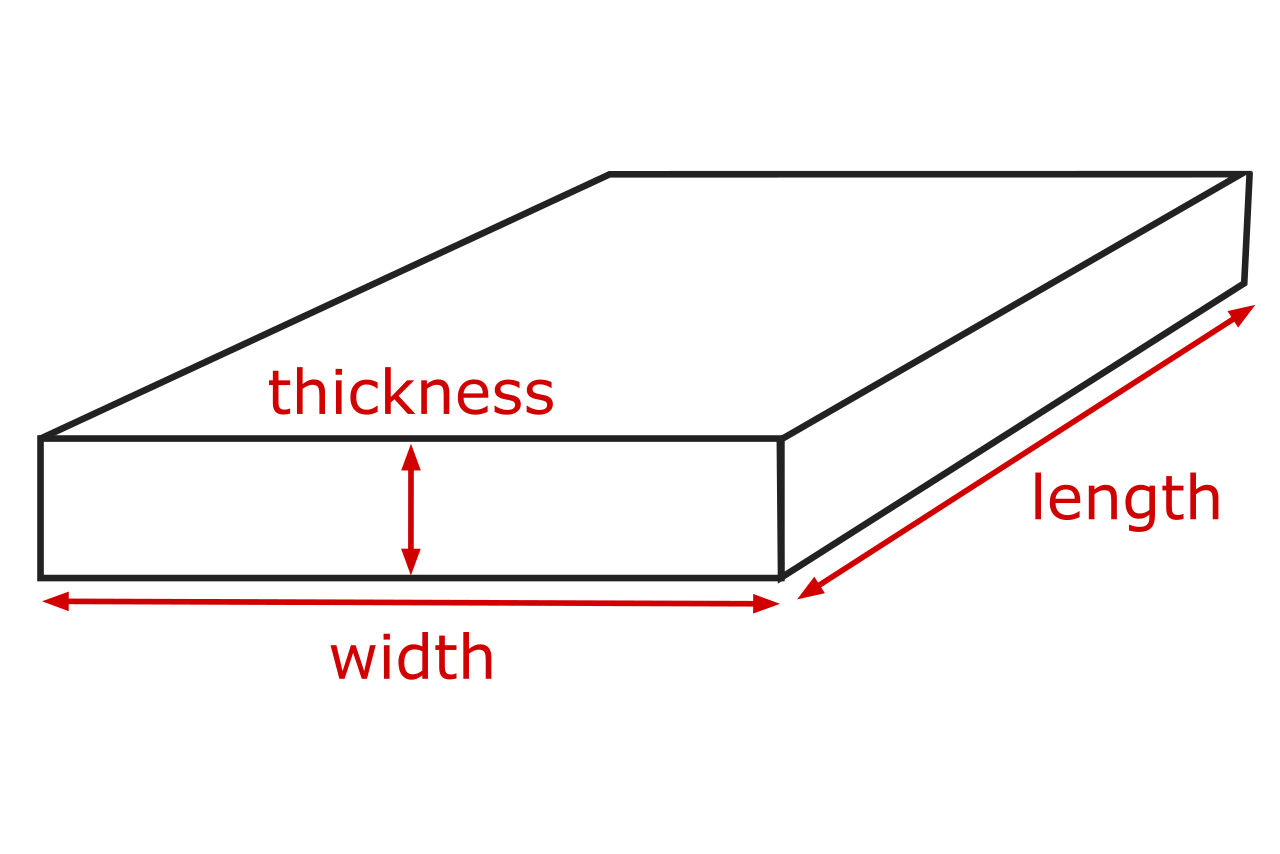
Concrete Calculator Ultimate Concrete Estimation Tool Inch Calculator
Building Guidelines Concrete Floors, Slabs
In General, 6 Inch (150Mm) Slab Thickness Is Considered For Residential And Commercial Buildings With Reinforcement Details As Per Design.
Given The Industry Standard For Residential Properties Is Four Inches, It’s A Good Idea To Budget For That Extra 0.5 Inches To Provide Additional Support.
Web Most Building Codes Require Concrete Patio Slabs To Be Laid At A Minimum Thickness Of 3.5 Inches With A Compressive Strength Of 3,000 Psi.
Depending On How Much Weight The Slab Will Hold, Your Budget, And Local Building Codes, Concrete Slabs Can Be Up To 20 Inches.
Related Post: