
Deer Growth Chart
Deer Growth Chart - Web wondering how to tell how old a baby deer is? Web key factors of annual buck antler growth in whitetail include: Stress (physical) from prior breeding season; Newborns are spotted and do not graze until they reach two weeks of age. Tooth eruption also signals fawn age. In fact, cells of the frontal bone begin differentiating into something called the antlerogenic periosteum in the embryonic stage. Antler growth in deer follows a remarkable annual cycle, influenced by factors such as age, genetics, nutrition, and hormonal changes. Nutrition available to the buck; This was one of the greatest increases in antler growth i’ve witnessed in 40 years of photographing whitetails. Web keep reading to discover our useful deer age chart, full of information on how to estimate the age of a buck on the hoof. Web did you know that you can tell the age of a deer by simply looking at it, or even by studying its teeth? Tooth eruption also signals fawn age. Web wondering how to tell how old a baby deer is? Web while there is plenty of available data, charts, and information on aging deer, we hope the info below, as well as our whitetail deer aging chart, can help you learn how to age a deer on the hoof before your next hunt. The process of antler growth starts very early in a deer’s life. Focus on age, not antlers. Older bucks typically shed & start growth first; Web between age three and four the buck’s antler growth went from 122” b&c to slightly more than 164” b&c. Newborns are spotted and do not graze until they reach two weeks of age. A younger deer, such as a yearling, will typically have small antlers with little mass. Find out more about whitetail deer hunting and management. Web key factors of annual buck antler growth in whitetail include: Tooth eruption also signals fawn age. Older bucks typically shed & start growth first; This was one of the greatest increases in antler growth i’ve witnessed in 40 years of photographing whitetails. In contrast, moose antlers do not begin growth until two — three months after antler casting. If a buck is mature, look for a substantial frame at this time of year. Web did you know that you can tell the age of a deer by simply looking at it, or even by studying its teeth? Newborns are spotted and do. Deer antler growth by month. The process of antler growth starts very early in a deer’s life. Web during different seasons, the nutritional requirements of bucks, does and fawns will vary slightly, but all three need water, protein, energy (fats and carbohydrates), calcium, phosphorus, sodium and fiber. Genetic potential for antler growth; Web keep reading to discover our useful deer. In general, as a deer matures, its antlers will grow larger in size and mass. In this article, we’ll discuss why estimating deer age is important, as well as factors that help hunters and wildlife enthusiasts determine the age of a buck in the wild. Stress (physical) from prior breeding season; Our simple chart shares the growth and biological indicators. Web between age three and four the buck’s antler growth went from 122” b&c to slightly more than 164” b&c. Web wondering how to tell how old a baby deer is? This was one of the greatest increases in antler growth i’ve witnessed in 40 years of photographing whitetails. Genetic potential for antler growth; Then confirm your buck's age after. Find a list of aspects to distinguish a buck’s age, including antler size, shape, muscle tone and more! Antler growth in deer follows a remarkable annual cycle, influenced by factors such as age, genetics, nutrition, and hormonal changes. Genetic potential for antler growth; The percentage of a buck's maximum antler growth increases with age. Web whitetail deer hunting can be. Web whitetail deer hunting can be improved through harvest management. Deer antler growth by month. Antler’s growth suddenly increases a lot, and its beam achieves half of its growth. This was one of the greatest increases in antler growth i’ve witnessed in 40 years of photographing whitetails. The antler beams are all visible within the end. Tooth eruption also signals fawn age. Focus on age, not antlers. The antler beams are all visible within the end. Older fawns grow more social, lose their spots and venture further away from their mothers. A younger deer, such as a yearling, will typically have small antlers with little mass. Antler growth should increase dramatically this month, so look for all the main points on the antler to be growing by the middle to end of the month. Nutrition available to the buck; Web learn how to determine deer age with mossy oak's chart. The process of getting a whitetail from the button buck stage to the boone and crockett. Web did you know that you can tell the age of a deer by simply looking at it, or even by studying its teeth? Web here are four lessons i can see very plainly in these colored bars. Rapid growth of deer populations, the over harvest of bucks, and the under harvest of does have created overpopulated deer herds with. I’ve seen deer sporting racks that could probably already score in the 120’s by early to mid june. Tooth eruption also signals fawn age. In contrast, moose antlers do not begin growth until two — three months after antler casting. Web witness the transformative growth of whitetail deer antlers from fuzzy stubs to velvety knobs to magnificent racks worthy of display in your living room. This was one of the greatest increases in antler growth i’ve witnessed in 40 years of photographing whitetails. In this article, we’ll discuss why estimating deer age is important, as well as factors that help hunters and wildlife enthusiasts determine the age of a buck in the wild. Using actual data from a large number of real farms the average growth curves for 'spring kill', and 'summer kill' venison animals are plotted month by month. If a buck is mature, look for a substantial frame at this time of year. Web whitetail deer hunting can be improved through harvest management. The quality deer management approach. Age, genetics, habitat, and herd management. Long bone growth is complete at about three years of age. Web what can we do to help grow the healthiest deer possible? Web wondering how to tell how old a baby deer is? Web while there is plenty of available data, charts, and information on aging deer, we hope the info below, as well as our whitetail deer aging chart, can help you learn how to age a deer on the hoof before your next hunt. A younger deer, such as a yearling, will typically have small antlers with little mass.
How To Age Whitetail Deer In The Field
Deer Growth Chart Woodland Forest Personalized GROWTH Chart Etsy
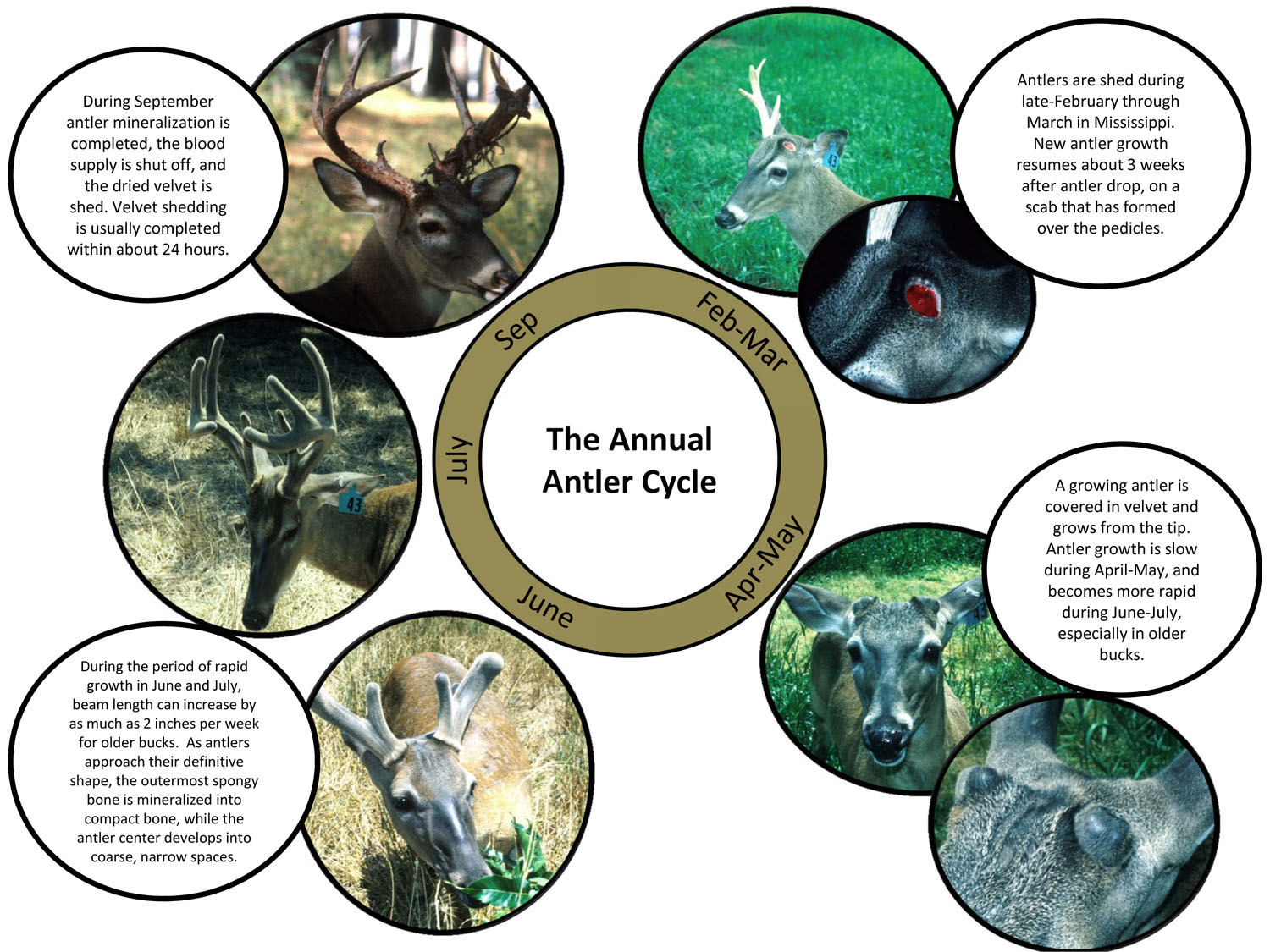
Antler Growth Cycle Deer Ecology & Management Lab Mississippi State
Deer Growth Chart Personalized Growth Chart Canvas Growth Etsy

Deer Antler Growth Chart By Month DeerSteroids
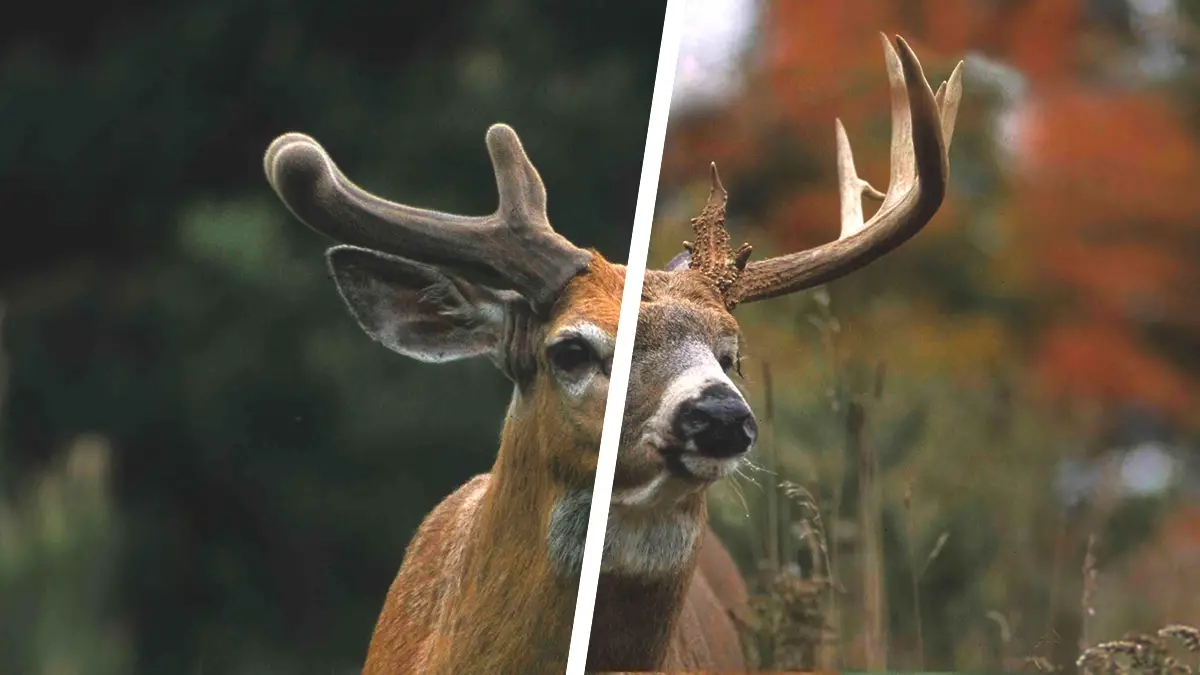
Whitetail Deer Antler Growth Chart by Month
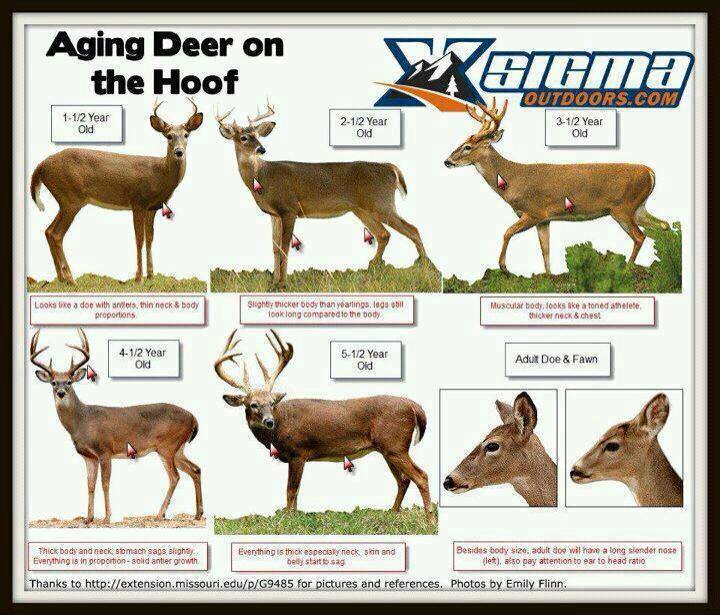
Deer Antler Growth Chart By Year

Deer Antler Growth Chart By Month
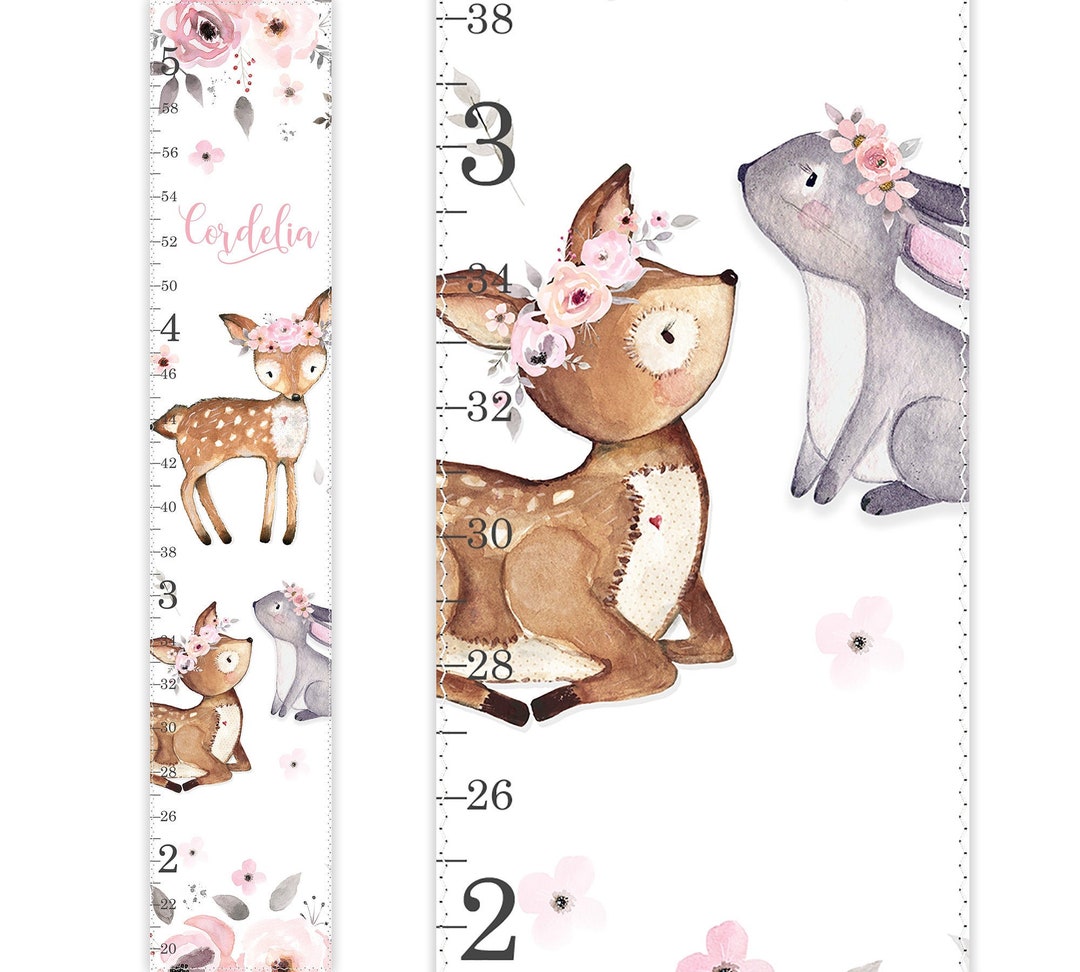
Deer Growth Chart Personalized Growth Chart Canvas Growth Etsy
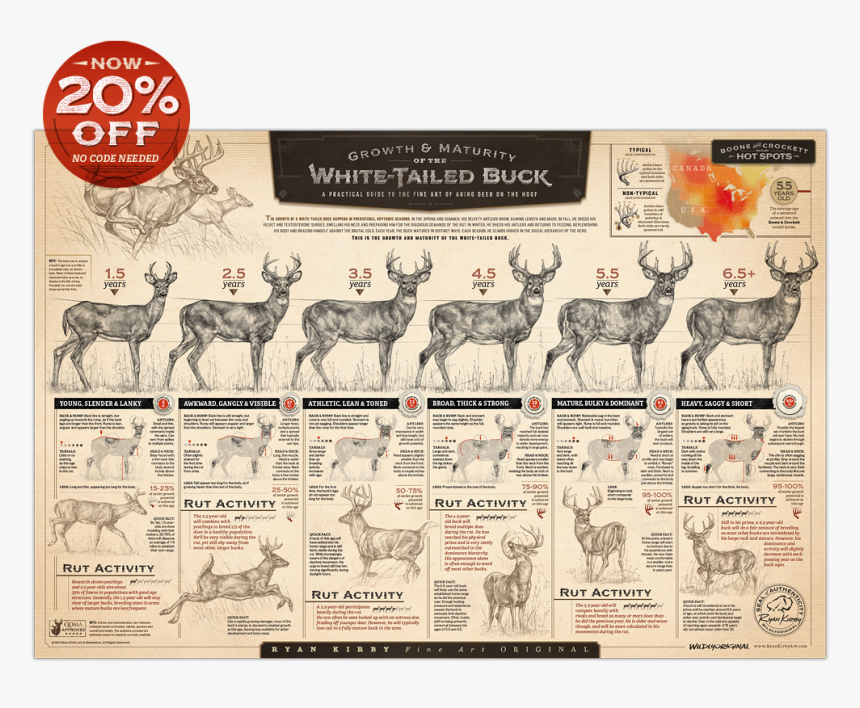
Ryan Kirby Growth Maturity Whitetail Buck Poster Deer Growth And
The Key For Managers Is To Provide The Deer With What They Need Most, When They Need It Most.
Stress (Physical) From Prior Breeding Season;
Web Did You Know That You Can Tell The Age Of A Deer By Simply Looking At It, Or Even By Studying Its Teeth?
Antler Growth In Deer Follows A Remarkable Annual Cycle, Influenced By Factors Such As Age, Genetics, Nutrition, And Hormonal Changes.
Related Post: