
Digestive System Flow Chart
Digestive System Flow Chart - Web write the flow chart of the human digestive system. The intake of food through the mouth. Web flow chart of digestive system. The diagram below shows the structure and functions of the human digestive system. The mouth, throat and salivary glands make up the oral cavity, which is where early digestion takes place. Web your digestive system breaks nutrients into parts that are small enough for your body to absorb. Although the small intestine is the workhorse of the system, where the majority of digestion occurs, and where most of the released nutrients are absorbed into the blood or lymph, each of the digestive. Web the human digestive system is the series of structures and organs through which food and liquids pass during their processing into forms that can be absorbed into the bloodstream. Web learn anatomy of the digestive system for free. It includes your gastrointestinal (gi) tract and your biliary system. Web complete the digestion flow chart using the following organs of digestion, the various processes that occur in them, the nutrients that are digested, and state whether it is chemical or mechanical digestion. Ingestion involves the uptake of food. Web the human digestive system is the means by which tissues and organs receive nutrients to function. Digestion helps in food breakdown in small particles. These fluids contain bicarbonate, enzymes and bile salts essential to the digestion process. Web write the flow chart of the human digestive system. The main organs of the digestive system are the mouth, esophagus, stomach, small intestine, large intestine, rectum, and anus. Last updated at april 16, 2024 by teachoo. Web the human digestive system is the series of structures and organs through which food and liquids pass during their processing into forms that can be absorbed into the bloodstream. Web diagram of digestive system. The digestive system helps the body digest food. The digestive system of the human body comprises a group of organs working together to convert food into energy for the body. Web learn about the digestive system with innerbody's interactive guide. The mouth, throat and salivary glands make up the oral cavity, which is where early digestion takes place. It is. The digestive system helps the body digest food. Ingestion involves the uptake of food. Ingestion → digestion → absorption → excretion. The liver, pancreas, and gallbladder are the solid organs of the digestive system. The mouth, throat and salivary glands make up the oral cavity, which is where early digestion takes place. Web write the flow chart of the human digestive system. The chyme is mixed with secretions from the pancreas and gall bladder. Web your digestive tract stretches from your mouth to your anus. Each part of your digestive system helps to move food and liquid through your gi tract, break food. Digestion involves the breakdown of food into smaller and. Web the human digestive system is the series of structures and organs through which food and liquids pass during their processing into forms that can be absorbed into the bloodstream. Although the small intestine is the workhorse of the system, where the majority of digestion occurs, and where most of the released nutrients are absorbed into the blood or lymph,. The swallowing reflex allows food from the mouth to be moved into the oesophagus. It is a group of organs that involve in the process of digestion. The uptake of digested nutrients into. The liver, pancreas, and gallbladder are the solid organs of the digestive system. Web human digestive system. The main organs of the digestive system are the mouth, esophagus, stomach, small intestine, large intestine, rectum, and anus. Web the human digestive system is the means by which tissues and organs receive nutrients to function. Mouth — it includes teeth, salivary glands and tongue. Web the human digestive system consists of the gastrointestinal tract plus the accessory organs of. These fluids contain bicarbonate, enzymes and bile salts essential to the digestion process. Mouth — it includes teeth, salivary glands and tongue. How do the pancreas, liver, gall bladder and salivary glands help digestion? The main organs of the digestive system are the mouth, esophagus, stomach, small intestine, large intestine, rectum, and anus. Web your digestive tract stretches from your. Web flow chart of the digestive system mouth esophagus stomach small intestine pancreas liver gall bladder large intestine process starts in the mouth: Web your digestive system breaks nutrients into parts that are small enough for your body to absorb. The swallowing reflex allows food from the mouth to be moved into the oesophagus. Digestion helps in food breakdown in. The diagram below shows the structure and functions of the human digestive system. The digestive system helps the body digest food. Digestion helps in food breakdown in small particles. Let learn the different parts of the human digestive system. The mouth, throat and salivary glands make up the oral cavity, which is where early digestion takes place. It involves the mouth pharynx. Web the human digestive system is the means by which tissues and organs receive nutrients to function. Small amounts of chyme are ejected approximately every 20 seconds from the stomach into the duodenum. Web this article covers the anatomy of the digestive system, its organs, functions, and clinical aspects. Last updated at april 16, 2024. The swallowing reflex allows food from the mouth to be moved into the oesophagus. The mouth, throat and salivary glands make up the oral cavity, which is where early digestion takes place. The various parts of human digestive system are: View detailed diagrams of the stomach, liver, and other digestive organs. It includes the organs necessary to digest food, absorb nutrients and process waste. The digestion of food involves both mechanical and chemical processes as the food is broken down into smaller components. Digestion involves the breakdown of food into smaller and smaller components, until they can be absorbed and assimilated into the body. The uptake of digested nutrients into. The chyme is mixed with secretions from the pancreas and gall bladder. Web this article covers the anatomy of the digestive system, its organs, functions, and clinical aspects. Digestion begins at the entrance to the tube, the mouth, with the mechanical breakdown of your food. Web complete the digestion flow chart using the following organs of digestion, the various processes that occur in them, the nutrients that are digested, and state whether it is chemical or mechanical digestion. Web the function of the digestive system is to break down the foods you eat, release their nutrients, and absorb those nutrients into the body. Bacteria in the gi tract, also called gut flora or microbiome, help with digestion. It includes your gastrointestinal (gi) tract and your biliary system. Web the human digestive system is the series of structures and organs through which food and liquids pass during their processing into forms that can be absorbed into the bloodstream.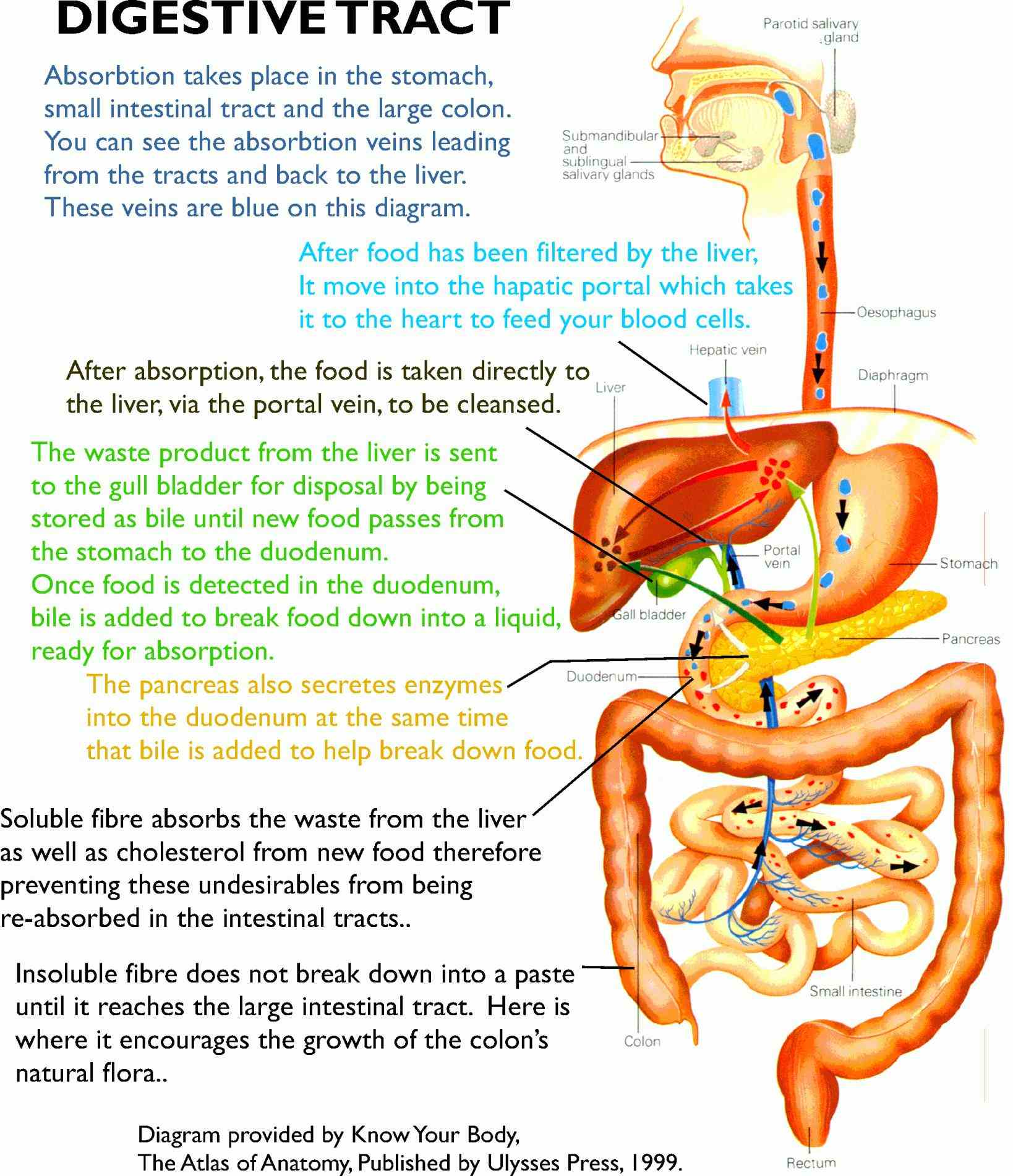
Images Of Digestive System Of Human Body
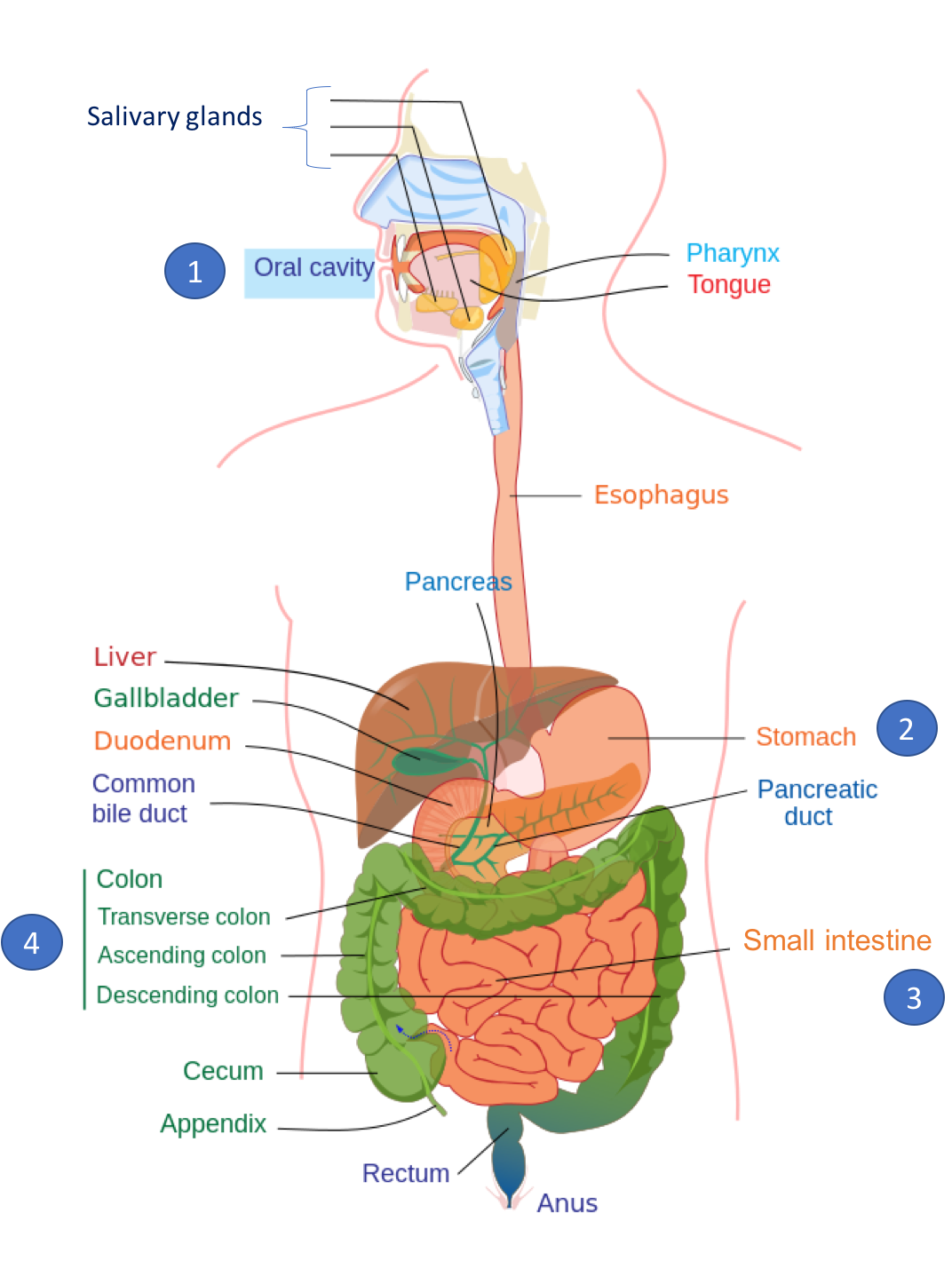
4.4 Digestion and Absorption of Carbohydrates Medicine LibreTexts
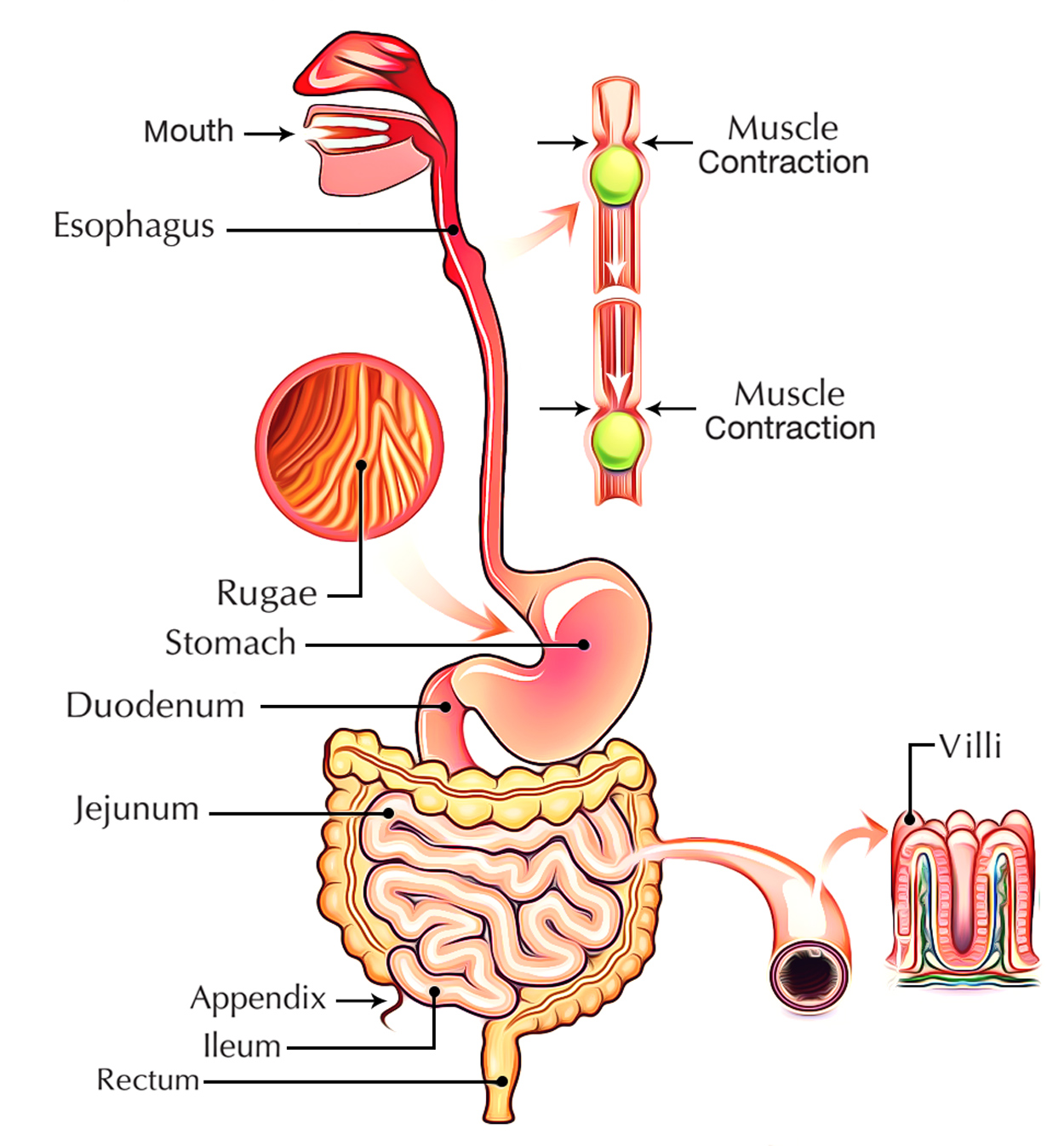
Digestive System in Human Body Earth's Lab
Digestive System Worksheet for Teachers Perfect for grades 10th, 11th

Human Digestive System Tract Human digestive system, Digestive system
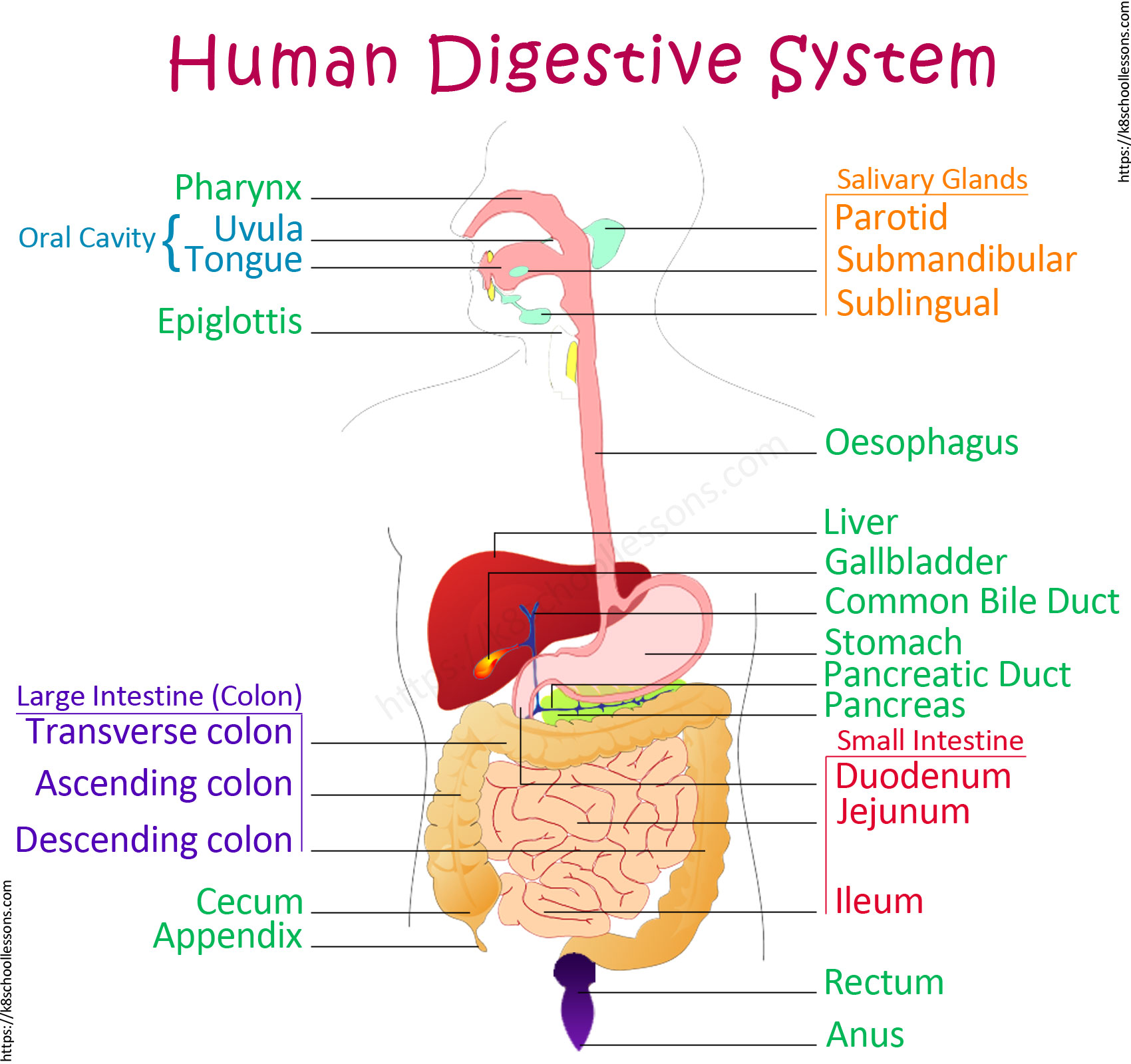
Digestive System for Kids Human Digestive System Human Body Facts

The Digestive System Digestive system diagram, Human digestive system

digestivesystemdiagram Human digestive system, Human anatomy and

the digestive system diagram labeled

Chemical Digestion and Absorption A Closer Look Anatomy and
Web Flow Chart Of The Digestive System Mouth Esophagus Stomach Small Intestine Pancreas Liver Gall Bladder Large Intestine Process Starts In The Mouth:
Learn This Topic Now At Kenhub!
Web Learn Anatomy Of The Digestive System For Free.
Although The Small Intestine Is The Workhorse Of The System, Where The Majority Of Digestion Occurs, And Where Most Of The Released Nutrients Are Absorbed Into The Blood Or Lymph, Each Of The Digestive.
Related Post: