
Endodontic Diagnosis Chart
Endodontic Diagnosis Chart - Web endodontic examination is to differentially diagnose between odontogenic versus nonodontogenic problems. Web in endodontics, the purpose of diagnosis is to determine the pulpal and periradicular status and presence of associated disease based on clinical observations. The modern concept of root canal treatment. Web a proper endodontic diagnosis is imperative to identify the offending tooth that is causing the patient’s symptoms and/or disease. Web offers clear practical guidance on endodontic diagnosis, pathology, and treatment planning; Treatment would be excavation of the caries followed by placement of a permanent restoration. Web the following flowchart will help you with your pulpal diagnosis. Specifically, the endodontic examination serves to identify. If the pulp is exposed,. Pulpal diagnosis is the clinical condition of the pulp, as evaluated by ice, cold. Specifically, the endodontic examination serves to identify. Morphology of the root canal. Web of course this varies in every practice setting, but charting existing or potential endodontic disease is as critical as charting caries, alveolar bone loss, pocket. Web in endodontics, the purpose of diagnosis is to determine the pulpal and periradicular status and presence of associated disease based on clinical observations. Accurate diagnosis is paramount to appropriate care. If the pulp is exposed,. Web in this chapter, a systematic diagnostic process involving detailed history taking and thorough clinical and radiographic examination is described. Web the following flowchart will help you with your pulpal diagnosis. Web however, diagnostic tests that include thermal and electric pulp testing, palpation, percussion, periodontal probing, a bite test, and radiographic examination and. 4.5/5 (9,629 reviews) Web in order to render proper treatment, a complete endodontic diagnosis must include both a pulpal and a periapical diagnosis for each tooth evaluated. Web the guide to clinical endodontics outlines the current best practices in endodontic diagnosis and treatment. Morphology of the root canal. If a tooth has not. Web describe the five diagnostic tests that need to be. Prior to performing any endodontic procedure, it is crucial to establish pulpal and periradicular diagnoses. Web describe the five diagnostic tests that need to be completed to determine pulpal and periradicular diagnoses before endodontic treatment. Web it’s essential that you always have a pulpal and a periapical diagnosis for every tooth that you treat— plus this should be documented clearly. Web in endodontics, the purpose of diagnosis is to determine the pulpal and periradicular status and presence of associated disease based on clinical observations. Web however, diagnostic tests that include thermal and electric pulp testing, palpation, percussion, periodontal probing, a bite test, and radiographic examination and. Morphology of the root canal. Web in this chapter, a systematic diagnostic process involving. Explain the updated pulpal and. Web in this chapter, a systematic diagnostic process involving detailed history taking and thorough clinical and radiographic examination is described. Treatment would be excavation of the caries followed by placement of a permanent restoration. Web the endodontic diagnosis consists of a pulpal diagnosis and periapical diagnosis. As previously discussed, the new diagnostic terminology defined by. Treatment would be excavation of the caries followed by placement of a permanent restoration. Web in order to render proper treatment, a complete endodontic diagnosis must include both a pulpal and a periapical diagnosis for each tooth evaluated. Specifically, the endodontic examination serves to identify. Explain the updated pulpal and. Documents best practice by means of clinical case examples; Web the guide to clinical endodontics outlines the current best practices in endodontic diagnosis and treatment. Web in order to render proper treatment, a complete endodontic diagnosis must include both a pulpal and a periapical diagnosis for each tooth evaluated. Web the following flowchart will help you with your pulpal diagnosis. Documents best practice by means of clinical case examples;. Prior to performing any endodontic procedure, it is crucial to establish pulpal and periradicular diagnoses. Explain the updated pulpal and. Endodontic diagnosis and treatment planning generally occur in two basic scenarios. Web the american association of endodontists serves and american associated treatment of periradicular association as as diagnosis planning, a trusted urgent/emergent source. Web endodontic examination is to differentially diagnose. Web offers clear practical guidance on endodontic diagnosis, pathology, and treatment planning; Web the guide to clinical endodontics outlines the current best practices in endodontic diagnosis and treatment. Web however, diagnostic tests that include thermal and electric pulp testing, palpation, percussion, periodontal probing, a bite test, and radiographic examination and. Accurate diagnosis is paramount to appropriate care. As previously discussed,. Web in this chapter, a systematic diagnostic process involving detailed history taking and thorough clinical and radiographic examination is described. Explain the updated pulpal and. Prior to performing any endodontic procedure, it is crucial to establish pulpal and periradicular diagnoses. Web a proper endodontic diagnosis is imperative to identify the offending tooth that is causing the patient’s symptoms and/or disease.. Specifically, the endodontic examination serves to identify. Morphology of the root canal. Web offers clear practical guidance on endodontic diagnosis, pathology, and treatment planning; Web the endodontic diagnosis consists of a pulpal diagnosis and periapical diagnosis. Web the guide to clinical endodontics outlines the current best practices in endodontic diagnosis and treatment. Endodontic diagnosis and treatment planning generally occur in two basic scenarios. Web offers clear practical guidance on endodontic diagnosis, pathology, and treatment planning; 4.5/5 (9,629 reviews) Web clinical diagnostic category indicating that the tooth has been previously treated by partial endodontic therapy (eg, pulpotomy, pulpectomy). The modern concept of root canal treatment. Pulpal diagnosis is the clinical condition of the pulp, as evaluated by ice, cold. Documents best practice by means of clinical case examples; Web a proper endodontic diagnosis is imperative to identify the offending tooth that is causing the patient’s symptoms and/or disease. If a tooth has not. Web the endodontic diagnosis consists of a pulpal diagnosis and periapical diagnosis. Web a simple, practical and universal classification system for endodontic diagnosis that uses terms related to clinical findings is essential. Morphology of the root canal. Web it’s essential that you always have a pulpal and a periapical diagnosis for every tooth that you treat— plus this should be documented clearly in the patient’s chart. Web the following flowchart will help you with your pulpal diagnosis. Web the guide to clinical endodontics outlines the current best practices in endodontic diagnosis and treatment. Web the objectives of this article are to review classic and current concepts on endodontic diagnosis, to describe the current classification of the pulp and periradicular diseases.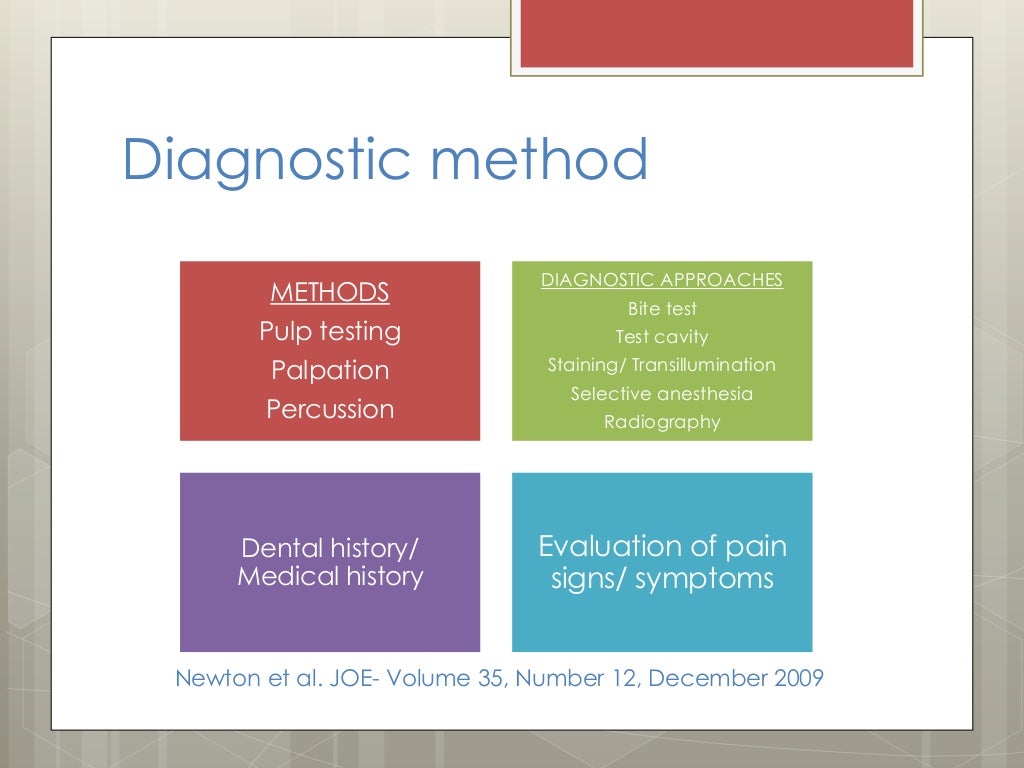
Endodontic diagnosis
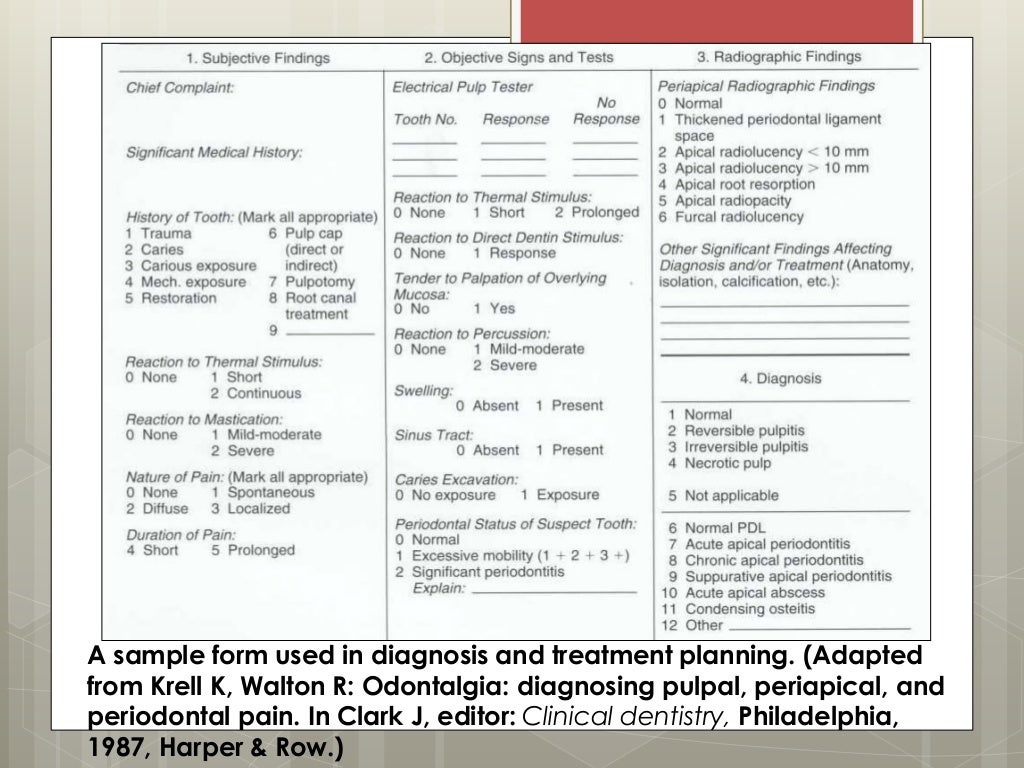
Endodontic diagnosis

Figure 2 from Diagnosis and management planning for root‐filled teeth
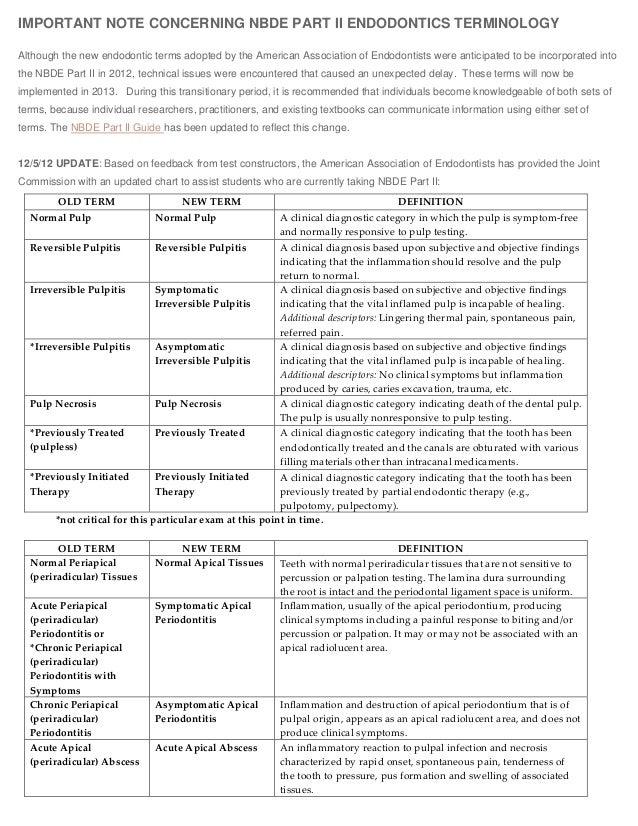
Aae Endodontic Diagnosis Chart

Universal Classification in Endodontic Diagnosis Decisions in Dentistry

Endodontic Diagnosis Chart Periapical And Pulpal
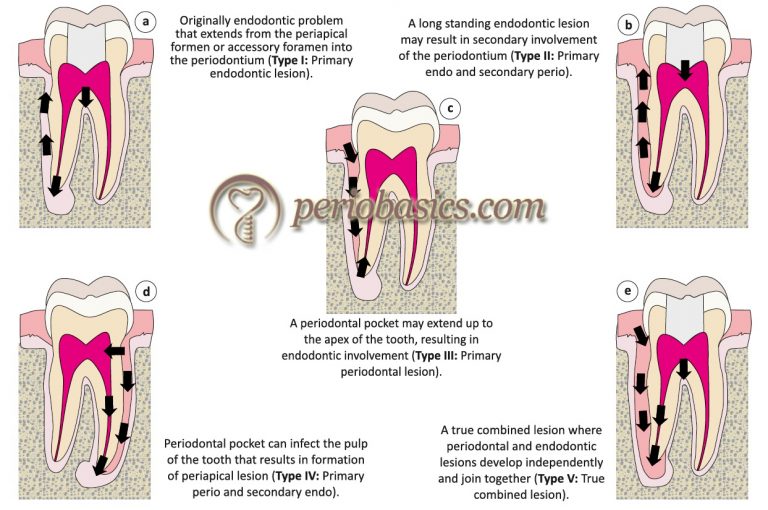
Periodonticendodontic interrelationship

Ваш диагноз? Форум для стоматологов, зубных техников и пациентов.
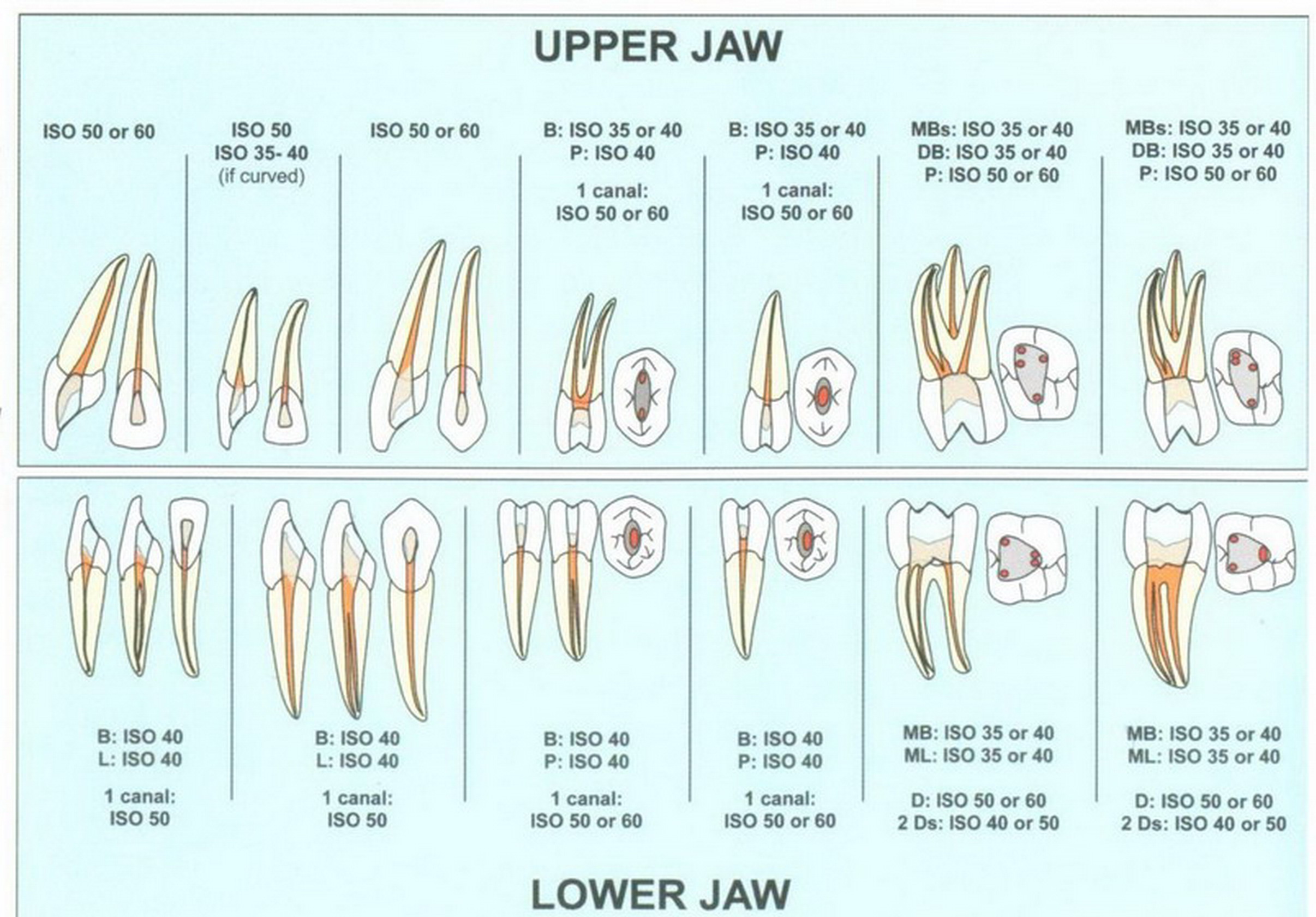
Endodontic Chart
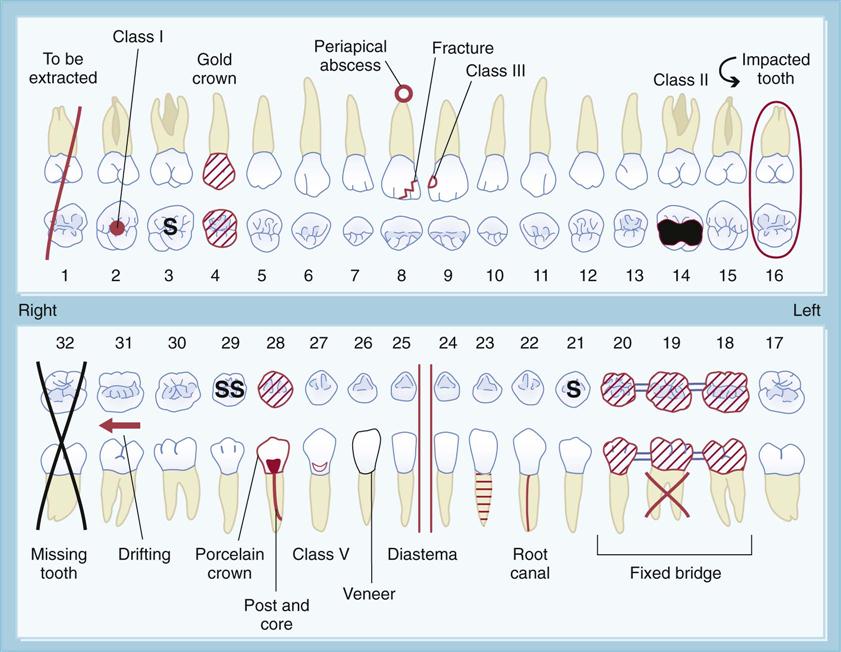
12. The Dental Examination Pocket Dentistry
Web Of Course This Varies In Every Practice Setting, But Charting Existing Or Potential Endodontic Disease Is As Critical As Charting Caries, Alveolar Bone Loss, Pocket.
Web However, Diagnostic Tests That Include Thermal And Electric Pulp Testing, Palpation, Percussion, Periodontal Probing, A Bite Test, And Radiographic Examination And.
Explain The Updated Pulpal And.
If The Pulp Is Exposed,.
Related Post: