
Equine Dental Chart
Equine Dental Chart - No chart is perfect for all patients. Equines are both heterodontous and diphyodontous, which means that they have teeth in more than one shape (there are up to five shapes of tooth in a horse's mouth), and have two successive sets of teeth, the deciduous (baby teeth) and permanent sets. Robert m baratt dvm created date: Body condition score is a significant physical exam parameter when assessing a horse before a dental procedure. The difference is due to the fact that the canine teeth, which appear at around 4 to 5 years of age, are often not seen in mares. Web equine dental charts are an important component of adequate legally required record keeping. Normal flat steep excessive after dental work: Each type of tooth has certain physical characteristics and specific functions. Horses have four types of teeth: Normal flat steep excessive tmj pain scale: None limited unristricted percent of occlusion _____% post dental _____% before dental work: Web having a basic understanding of horses’ dental terminology is the starting point of your journey to understand horse teeth anatomy and function. Incisors grasp and cut food. Pulp, dentin, enamel, and cementum. Robert m baratt dvm created date: Horses have four types of teeth: It must be remembered that dental and periodontal anatomy, especially in the horse, undergoes continuous morphological changes throughout life. Normal flat steep excessive after dental work:. Incisors, canines, premolars, and molars. Develop a format that works for you, and have your supervisor review it. None limited unristricted percent of occlusion _____% post dental _____% before dental work: Web equine dental charts are an important component of adequate legally required record keeping. Web horse teeth refers to the dentition of equine species, including horses and donkeys. Web having a basic understanding of horses’ dental terminology is the starting point of your journey to understand horse. Nonemild moderatemoderate severe before dental work: It must be remembered that dental and periodontal anatomy, especially in the horse, undergoes continuous morphological changes throughout life. Body condition score is a significant physical exam parameter when assessing a horse before a dental procedure. Pulp, dentin, enamel, and cementum. Web having a basic understanding of horses’ dental terminology is the starting point. Normal flat steep excessive after dental work:. Nonemild moderatemoderate severe before dental work: Body condition score is a significant physical exam parameter when assessing a horse before a dental procedure. Web the equine tooth—like that of other animal and human species—is comprised of four layers: Horses have four types of teeth: Equines are both heterodontous and diphyodontous, which means that they have teeth in more than one shape (there are up to five shapes of tooth in a horse's mouth), and have two successive sets of teeth, the deciduous (baby teeth) and permanent sets. Web horse teeth refers to the dentition of equine species, including horses and donkeys. Develop a format. Pulp, dentin, enamel, and cementum. Nonemild moderatemoderate severe before dental work: Incisors, canines, premolars, and molars. Web equine dental charts are an important component of adequate legally required record keeping. Incisors grasp and cut food. Pulp, dentin, enamel, and cementum. Normal flat steep excessive after dental work:. The difference is due to the fact that the canine teeth, which appear at around 4 to 5 years of age, are often not seen in mares. Incisors grasp and cut food. No chart is perfect for all patients. Most horses have 24 deciduous teeth. Normal flat steep excessive after dental work:. Body condition score is a significant physical exam parameter when assessing a horse before a dental procedure. Develop a format that works for you, and have your supervisor review it. Web a sound knowledge of dental and periodontal anatomy provides the basis for an accurate diagnosis of. Web horse teeth refers to the dentition of equine species, including horses and donkeys. Incisors, canines, premolars, and molars. Equines are both heterodontous and diphyodontous, which means that they have teeth in more than one shape (there are up to five shapes of tooth in a horse's mouth), and have two successive sets of teeth, the deciduous (baby teeth) and. Web a sound knowledge of dental and periodontal anatomy provides the basis for an accurate diagnosis of dental abnormalities. Web equine dental record awake anesthetized client: Horses have four types of teeth: Incisors, canines, premolars, and molars. Normal flat steep excessive after dental work:. Mature stallions have 40 to 44 teeth, while mature mares have 36 to 40 teeth. The difference is due to the fact that the canine teeth, which appear at around 4 to 5 years of age, are often not seen in mares. Incisors grasp and cut food. Web equine dental charts are an important component of adequate legally required record. The innermost layer, the pulp is “basically the heart and. The difference is due to the fact that the canine teeth, which appear at around 4 to 5 years of age, are often not seen in mares. Each type of tooth has certain physical characteristics and specific functions. Web equine dental record awake anesthetized client: Web the equine tooth—like that of other animal and human species—is comprised of four layers: Web examples of dental charts used by avdc diplomates are shown below. Normal flat steep excessive tmj pain scale: Incisors, canines, premolars, and molars. It must be remembered that dental and periodontal anatomy, especially in the horse, undergoes continuous morphological changes throughout life. Web horse teeth refers to the dentition of equine species, including horses and donkeys. Body condition score is a significant physical exam parameter when assessing a horse before a dental procedure. Web a sound knowledge of dental and periodontal anatomy provides the basis for an accurate diagnosis of dental abnormalities. Nonemild moderatemoderate severe before dental work: Most horses have 24 deciduous teeth. Develop a format that works for you, and have your supervisor review it. A dental chart allows detailed documentation and assists the practitioner with performing a consistent and methodical exam.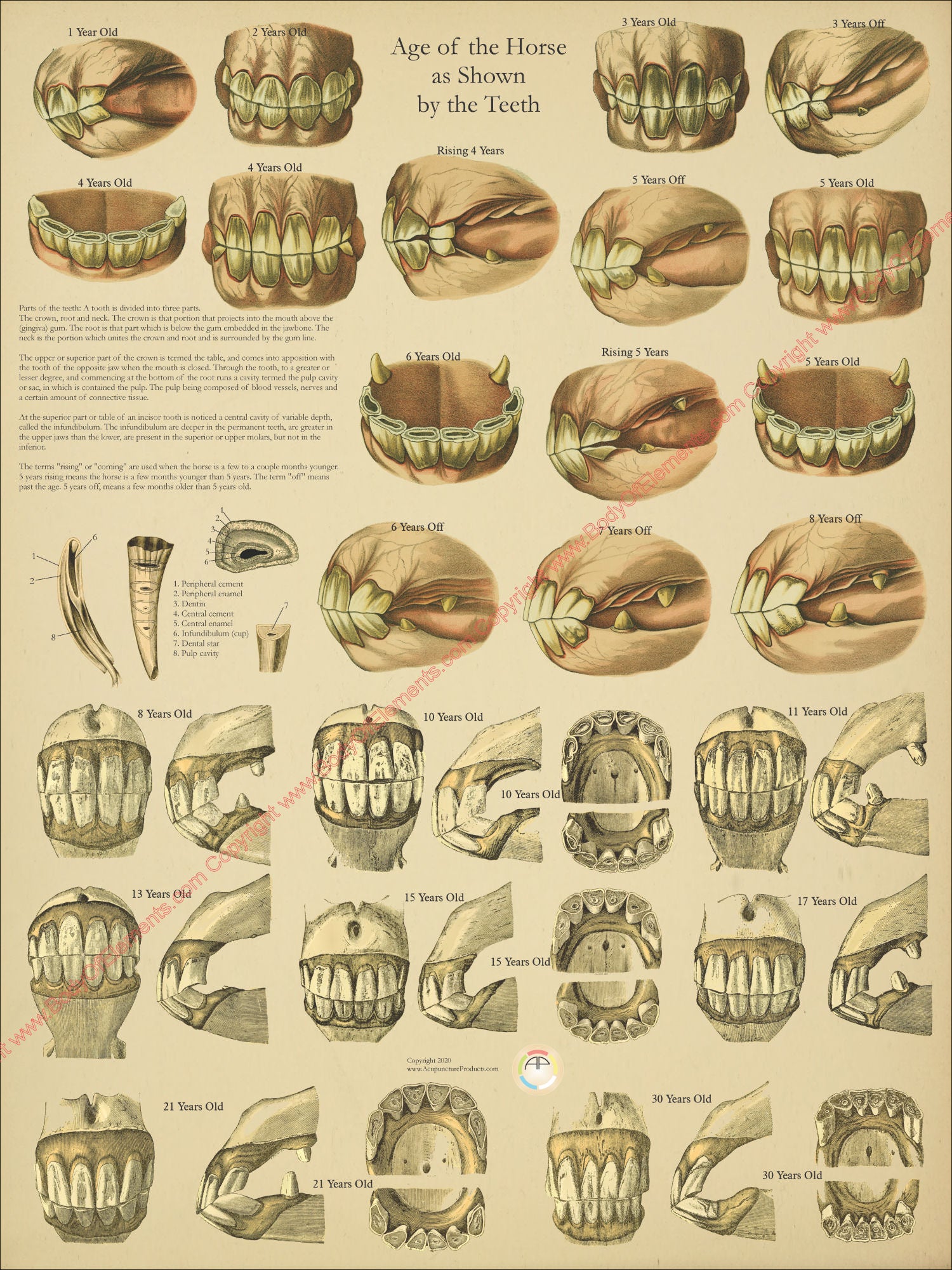
Equine Dental Age of Horse by Teeth Poster Body of Elements

The Anatomy of the Equine Mouth and Why Dental Health is Important

Equine Dental Anatomy and Pathology Flip Chart
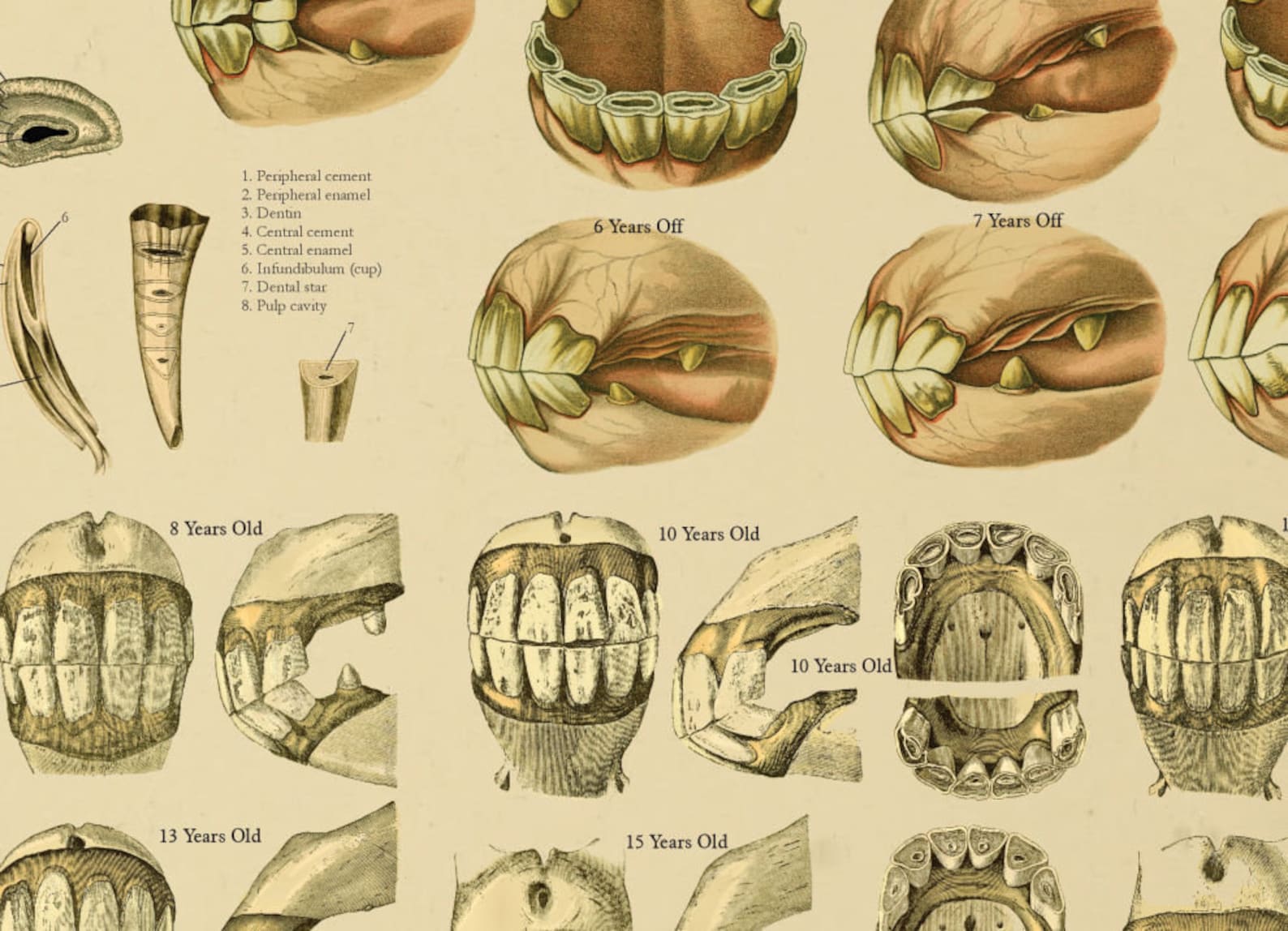
Equine Dental Anatomy Age of Horse by Teeth Poster 24 X Etsy

Buy Equine Dental Anatomy Chart Horse Online at desertcart UAE

Common Equine Dental Malocclusions Wall Chart The Edge Equine
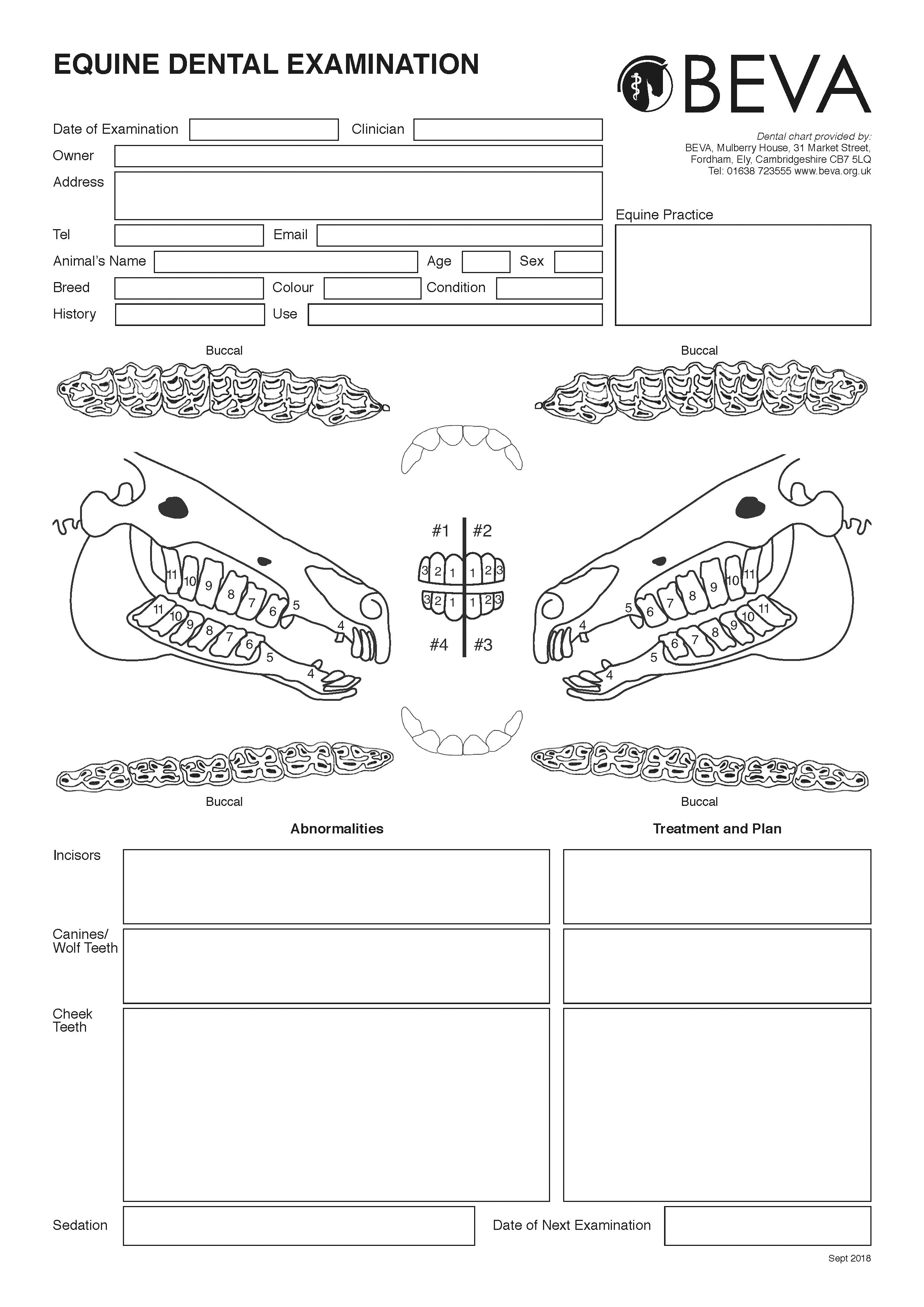
British Equine Veterinary Association > OLD HOME > Resources For Vets
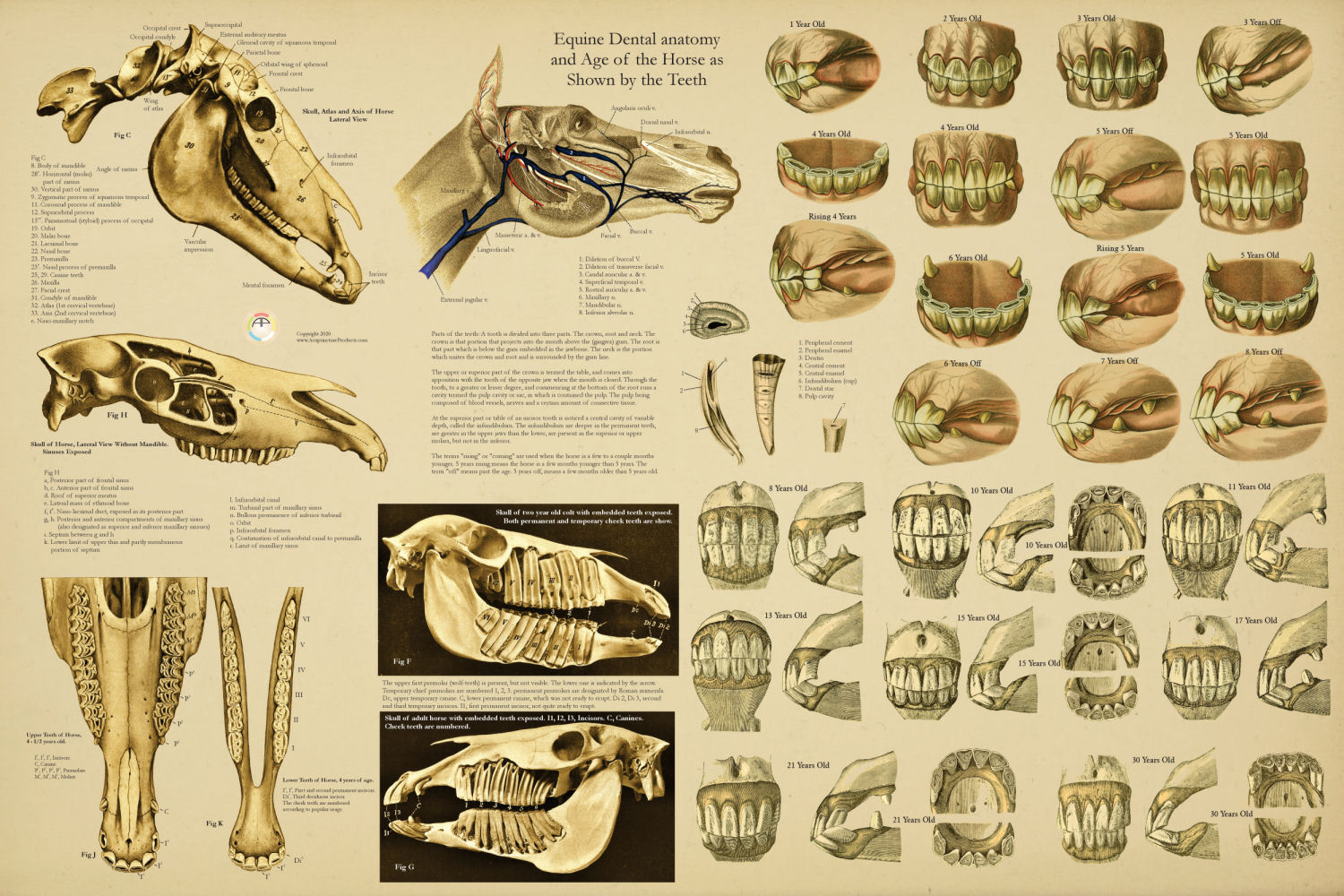
Equine Dental Anatomy Age of Horse by Teeth Chart

Equine Dental Chart Fill Online, Printable, Fillable, Blank pdfFiller
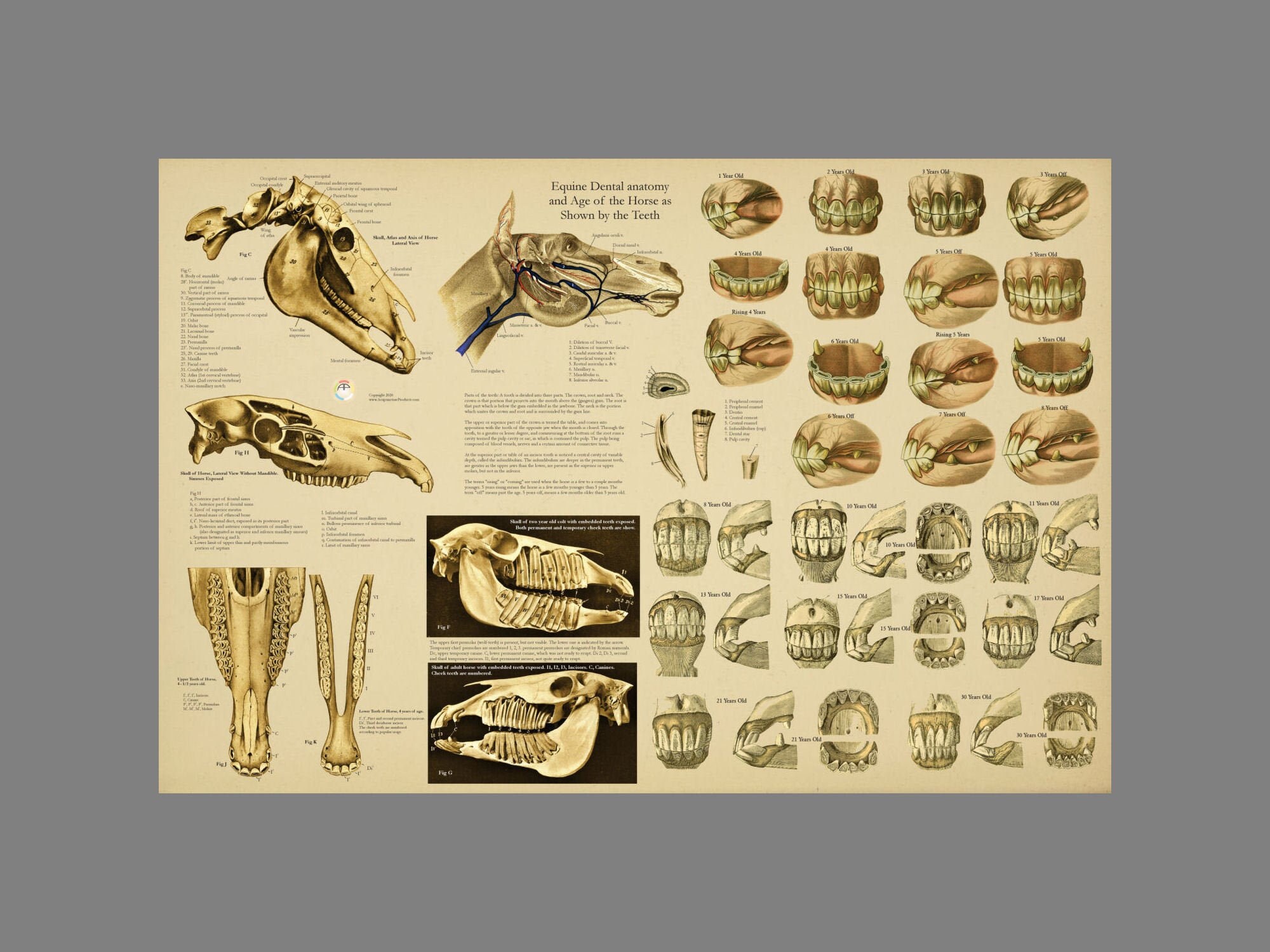
Equine Dental Anatomy Age of Horse by Teeth Poster 24 X Etsy
Pulp, Dentin, Enamel, And Cementum.
Web Information Like Age And Use Of The Horse, Diet, Turnout Situation, And Potential Vices Or Problem Behaviors May Be Very Important Considerations For The Horse’s Dental Health.
Horses Have Four Types Of Teeth:
None Limited Unristricted Percent Of Occlusion _____% Post Dental _____% Before Dental Work:
Related Post: