
Horse Vaccination Chart
Horse Vaccination Chart - Web initial vaccination at 6 to 9 months, followed by revaccination at 11 months; Periodic boosters (for example, every 6 to 12 months) Web core vaccines have clearly demonstrable efficacy and safety, with a high enough level of patient benefit and low enough level of risk to justify their use in all equids. **all vaccination programs should be developed in consultation with a licensed veterinarian** Web vaccinations for adult horses were developed by the american association of equine practitioners (aaep) infectious disease committee. Web core vaccines have clearly demonstrable efficacy and safety, with a high enough level of patient benefit and low enough level of risk to justify their use in all equids. Web reference this helpful vaccination schedule for horses for tailored vaccine programs from foals to adults. Earlier and more frequent vaccination for foals of unvaccinated mares; The avma defines core vaccinations as those “that protect from diseases that are endemic to a region, those with potential public health significance, required by law, virulent/highly infectious, and/or those posing a risk of severe disease. These guidelines and charts were reviewed and updated by the committee & vaccination guidelines s ubcommittee and approved by the board of directors in 2023. The avma defines core vaccinations as those “that protect from diseases that are endemic to a region, those with potential public health significance, required by law, virulent/highly infectious, and/or those posing a risk of severe disease. Web core vaccines have clearly demonstrable efficacy and safety, with a high enough level of patient benefit and low enough level of risk to justify their use in all equids. Web reference this helpful vaccination schedule for horses for tailored vaccine programs from foals to adults. Web adult horse vaccination chart. Earlier and more frequent vaccination for foals of unvaccinated mares; Web vaccinations for adult horses were developed by the american association of equine practitioners (aaep) infectious disease committee. **all vaccination programs should be developed in consultation with a licensed veterinarian** Periodic boosters (for example, every 6 to 12 months) These guidelines and charts were reviewed and updated by the committee & vaccination guidelines s ubcommittee and approved by the board of directors in 2023. Web core vaccines have clearly demonstrable efficacy and safety, with a high enough level of patient benefit and low enough level of risk to justify their use in all equids. Web initial vaccination at 6 to 9 months, followed by revaccination at 11 months; Periodic boosters (for example, every 6 to 12 months) Web core vaccines have clearly demonstrable efficacy and safety, with a high enough level of patient benefit and low enough level of risk to justify their use in all equids. Web core vaccines have clearly demonstrable efficacy. Web vaccinations for adult horses were developed by the american association of equine practitioners (aaep) infectious disease committee. Web core vaccines have clearly demonstrable efficacy and safety, with a high enough level of patient benefit and low enough level of risk to justify their use in all equids. Web core vaccines have clearly demonstrable efficacy and safety, with a high. **all vaccination programs should be developed in consultation with a licensed veterinarian** Earlier and more frequent vaccination for foals of unvaccinated mares; Web core vaccines have clearly demonstrable efficacy and safety, with a high enough level of patient benefit and low enough level of risk to justify their use in all equids. Web adult horse vaccination chart. Web reference this. Web core vaccines have clearly demonstrable efficacy and safety, with a high enough level of patient benefit and low enough level of risk to justify their use in all equids. Periodic boosters (for example, every 6 to 12 months) Web adult horse vaccination chart. **all vaccination programs should be developed in consultation with a licensed veterinarian** Web initial vaccination at. Web core vaccines have clearly demonstrable efficacy and safety, with a high enough level of patient benefit and low enough level of risk to justify their use in all equids. Web vaccinations for adult horses were developed by the american association of equine practitioners (aaep) infectious disease committee. These guidelines and charts were reviewed and updated by the committee &. Web reference this helpful vaccination schedule for horses for tailored vaccine programs from foals to adults. Web adult horse vaccination chart. Web vaccinations for adult horses were developed by the american association of equine practitioners (aaep) infectious disease committee. Periodic boosters (for example, every 6 to 12 months) Web core vaccines have clearly demonstrable efficacy and safety, with a high. Periodic boosters (for example, every 6 to 12 months) Web initial vaccination at 6 to 9 months, followed by revaccination at 11 months; Earlier and more frequent vaccination for foals of unvaccinated mares; Web core vaccines have clearly demonstrable efficacy and safety, with a high enough level of patient benefit and low enough level of risk to justify their use. The avma defines core vaccinations as those “that protect from diseases that are endemic to a region, those with potential public health significance, required by law, virulent/highly infectious, and/or those posing a risk of severe disease. Web initial vaccination at 6 to 9 months, followed by revaccination at 11 months; **all vaccination programs should be developed in consultation with a. Web core vaccines have clearly demonstrable efficacy and safety, with a high enough level of patient benefit and low enough level of risk to justify their use in all equids. Web core vaccines have clearly demonstrable efficacy and safety, with a high enough level of patient benefit and low enough level of risk to justify their use in all equids.. Web vaccinations for adult horses were developed by the american association of equine practitioners (aaep) infectious disease committee. Periodic boosters (for example, every 6 to 12 months) Web adult horse vaccination chart. Earlier and more frequent vaccination for foals of unvaccinated mares; The avma defines core vaccinations as those “that protect from diseases that are endemic to a region, those. **all vaccination programs should be developed in consultation with a licensed veterinarian** Web adult horse vaccination chart. The avma defines core vaccinations as those “that protect from diseases that are endemic to a region, those with potential public health significance, required by law, virulent/highly infectious, and/or those posing a risk of severe disease. Web reference this helpful vaccination schedule for horses for tailored vaccine programs from foals to adults. Web core vaccines have clearly demonstrable efficacy and safety, with a high enough level of patient benefit and low enough level of risk to justify their use in all equids. Web vaccinations for adult horses were developed by the american association of equine practitioners (aaep) infectious disease committee. Web core vaccines have clearly demonstrable efficacy and safety, with a high enough level of patient benefit and low enough level of risk to justify their use in all equids. These guidelines and charts were reviewed and updated by the committee & vaccination guidelines s ubcommittee and approved by the board of directors in 2023.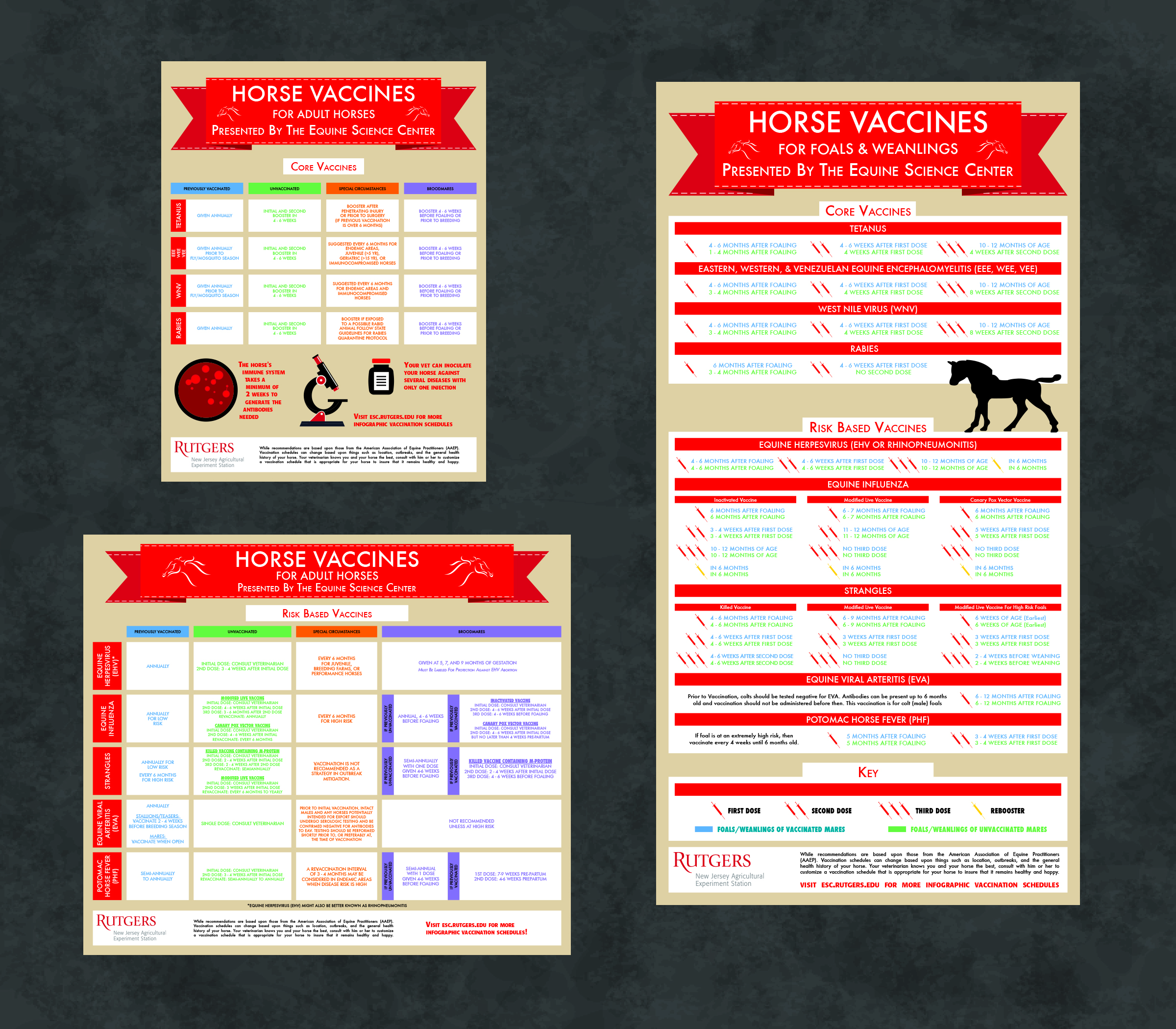
Are You Keeping Up With Vaccinations & Coggins Testing? Equine

Horse Care in Central Point, OR Crater Animal Clinic
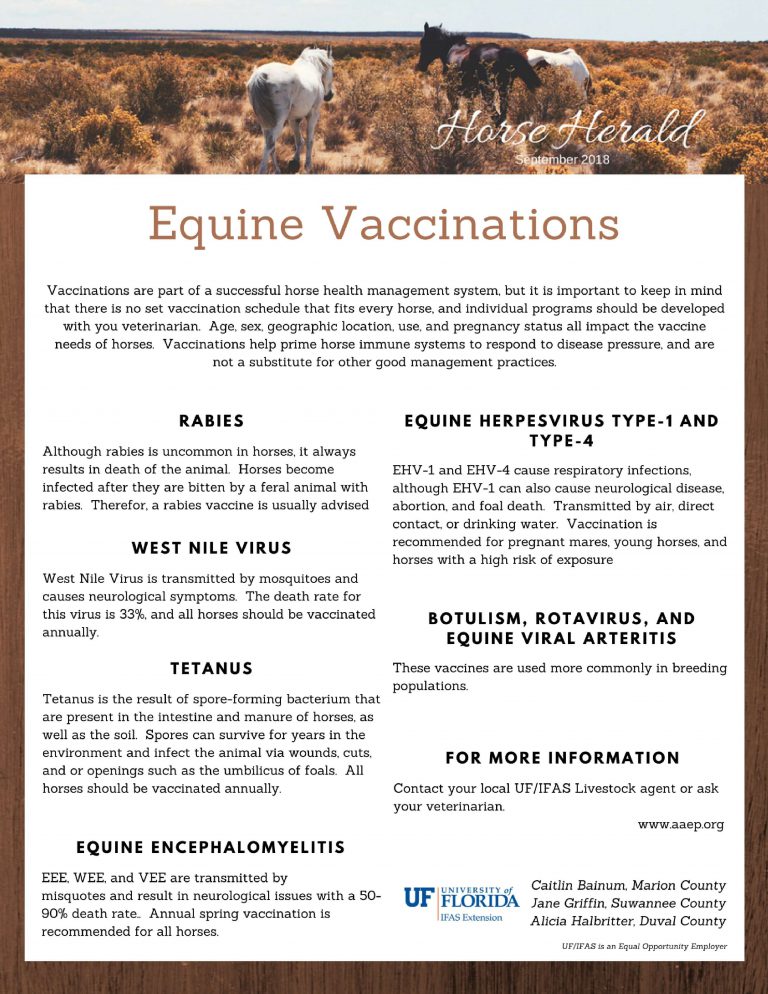
Horse Herald Horse Vaccinations UF/IFAS Extension Suwannee County
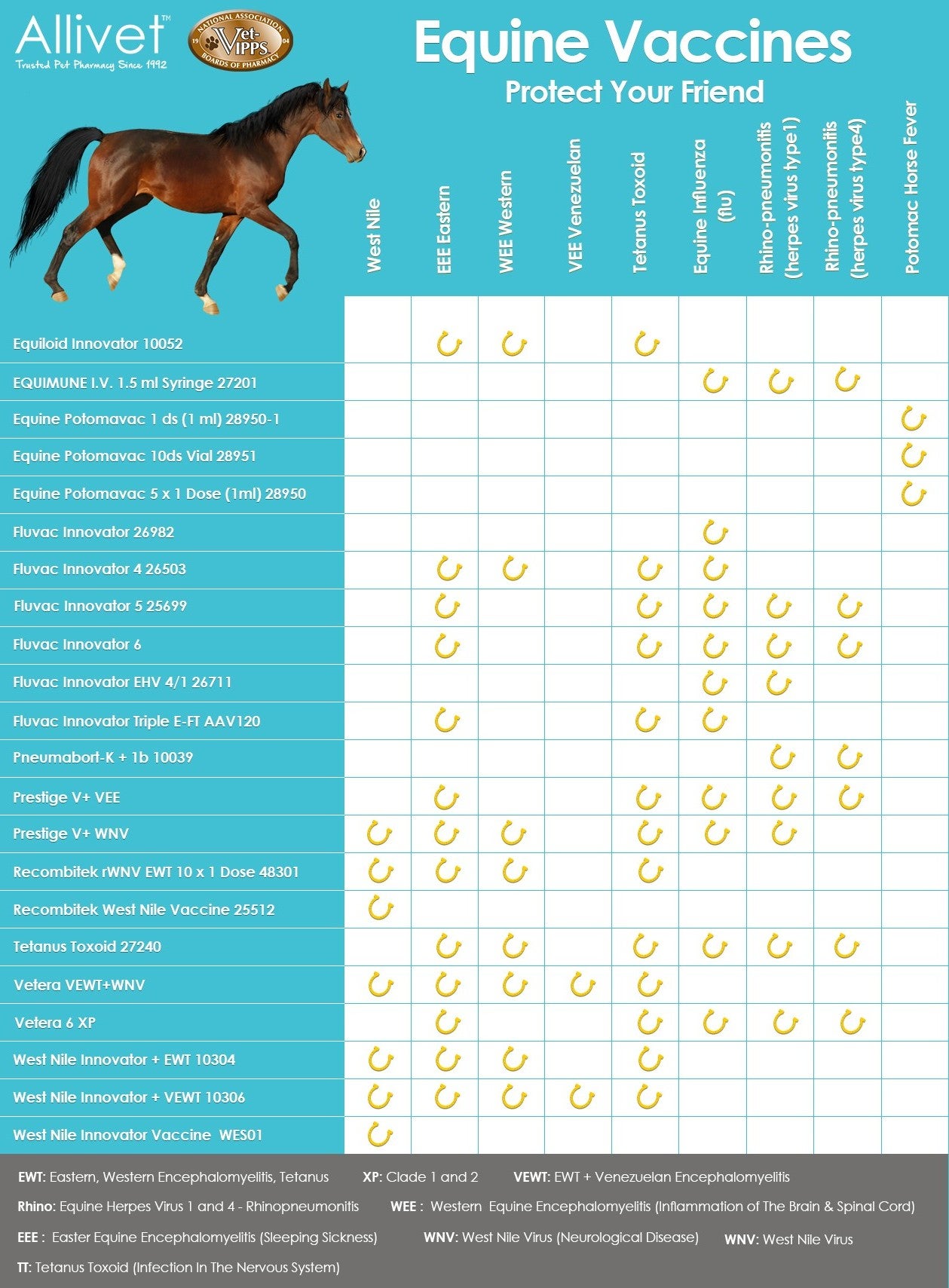
Allivet's Equine Vaccine Chart Allivet Pet Care Blog
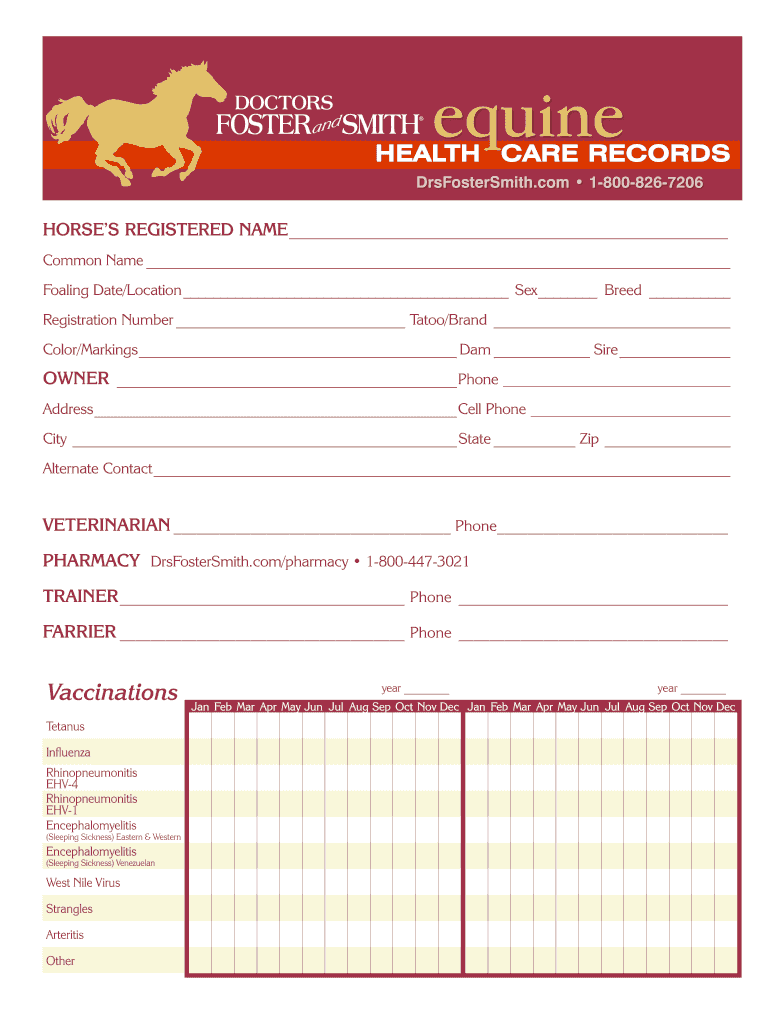
Equine records Fill out & sign online DocHub

Foal Vaccinations in Marshall, VA Old Waterloo Equine Clinic

Equine Vaccination Schedule

Adult Vaccinations Old Waterloo Equine Clinic

Vaccination Guide for Horses Schedule & List of Equine Vaccines Mad Barn
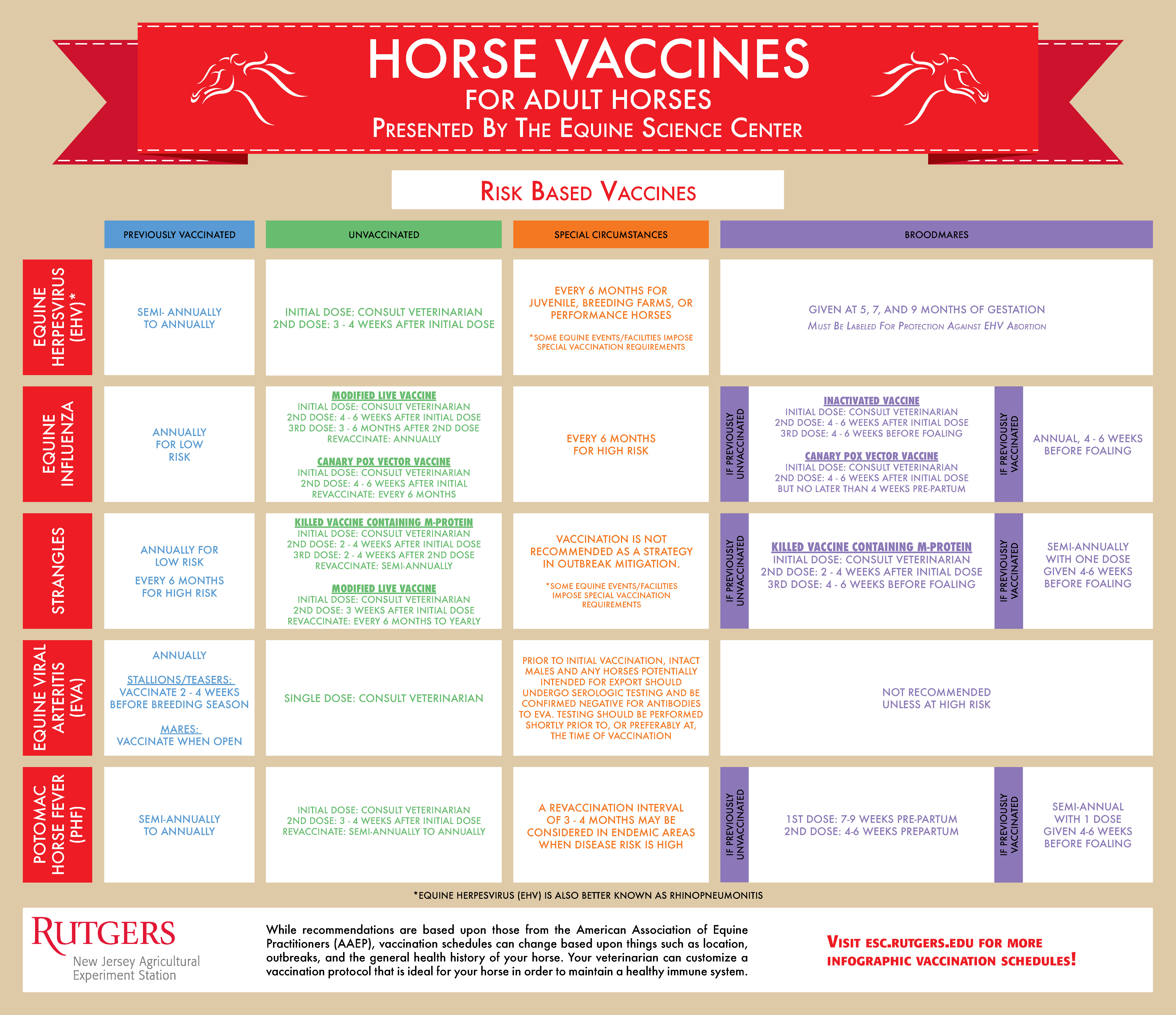
Does Your Horse Have A Fever? Equine Science Center
Periodic Boosters (For Example, Every 6 To 12 Months)
Web Initial Vaccination At 6 To 9 Months, Followed By Revaccination At 11 Months;
Earlier And More Frequent Vaccination For Foals Of Unvaccinated Mares;
Related Post: