
Horse Worm Identification Chart
Horse Worm Identification Chart - “a new control strategy for an. Web horses are affected by a wide range of internal parasites, with varying life cycles. Ivermectin has become a popular equine anthelmintic choice. 1.87% oral paste for horses. Having an effective control strategy in place is vital to help protect your horse from health. Fecal flotation and fecal egg count (mcmasters) testing are used to identify the. Web the main internal parasites of horses, ruminants and alpacas are parasitic worms (helminths). Learn about the signs, life cycles and control of common internal parasites of horses, such as roundworms, strongyles, tapeworms and pinworms. Web learn how to recognize the most common equine parasites in your horse's manure, such as strongyles, ascarids, tapeworms, and bots. Web redworms, roundworms, pinworms, tapeworms and many other internal and external parasitic agents are ubiquitous in grazing horses and can adversely impact equine. “a new control strategy for an. Web testing is the most reliable way to identify whether a horse has worms or not. Learn about the signs, life cycles and control of common internal parasites of horses, such as roundworms, strongyles, tapeworms and pinworms. Large and small strongyles appear as small, thin, spidery worms in the dung. See photos and descriptions of each worm type and their symptoms. Web horses are affected by a wide range of internal parasites, with varying life cycles. Web the best way to determine the deworming schedule for your horse is to involve your veterinarian and to perform fecal egg counts (fec) to determine: One of these tests can determine what species is present, provide an idea of how many adult. Web a worming chart helps prevent diseases and infections by allowing you to monitor the effectiveness of repeated use of deworming treatments on your horse. Web diagnosis of intestinal parasites in horses is based on finding eggs in the manure. Web the main internal parasites of horses, ruminants and alpacas are parasitic worms (helminths). Web small redworms (cyathostomins) small redworms are the most common parasite in horses. Having an effective control strategy in place is vital to help protect your horse from health. Web the best way to determine the deworming schedule for your horse is to involve your veterinarian. Web the best way to determine the deworming schedule for your horse is to involve your veterinarian and to perform fecal egg counts (fec) to determine: Web redworms, roundworms, pinworms, tapeworms and many other internal and external parasitic agents are ubiquitous in grazing horses and can adversely impact equine. Large and small strongyles appear as small, thin, spidery worms in. Web for a better understanding of worms in horses, review the descriptions and pictures below. Web testing is the most reliable way to identify whether a horse has worms or not. Web diagnosis of intestinal parasites in horses is based on finding eggs in the manure. One of these tests can determine what species is present, provide an idea of. Having an effective control strategy in place is vital to help protect your horse from health. Web a wec is used to identify infestation of common adult worm species including small (cyathastomins) and large adult redworms (strongyles) and large roundworms (ascarids). Web redworms, roundworms, pinworms, tapeworms and many other internal and external parasitic agents are ubiquitous in grazing horses and. According to sue, the following is a good. If your horse has become thinner than usual but is still eating steadily, the cause may parasites. Assess its weight and growth. 1.87% oral paste for horses. Web the best way to determine the deworming schedule for your horse is to involve your veterinarian and to perform fecal egg counts (fec) to. Adult small redworms feed on the intestinal tissue of the horse and, in large. According to sue, the following is a good. Ivermectin has become a popular equine anthelmintic choice. Web a wec is used to identify infestation of common adult worm species including small (cyathastomins) and large adult redworms (strongyles) and large roundworms (ascarids). Web the best method for. Web small redworms (cyathostomins) small redworms are the most common parasite in horses. Web redworms, roundworms, pinworms, tapeworms and many other internal and external parasitic agents are ubiquitous in grazing horses and can adversely impact equine. Web the best way to determine the deworming schedule for your horse is to involve your veterinarian and to perform fecal egg counts (fec). Ivermectin has become a popular equine anthelmintic choice. Web for a better understanding of worms in horses, review the descriptions and pictures below. Web the main internal parasites of horses, ruminants and alpacas are parasitic worms (helminths). Web a worming chart helps prevent diseases and infections by allowing you to monitor the effectiveness of repeated use of deworming treatments on. Assess its weight and growth. One of these tests can determine what species is present, provide an idea of how many adult. Having an effective control strategy in place is vital to help protect your horse from health. Web learn how to recognize the most common equine parasites in your horse's manure, such as strongyles, ascarids, tapeworms, and bots. Ivermectin. One of these tests can determine what species is present, provide an idea of how many adult. Web a wec is used to identify infestation of common adult worm species including small (cyathastomins) and large adult redworms (strongyles) and large roundworms (ascarids). Fecal flotation and fecal egg count (mcmasters) testing are used to identify the. Web “faecal worm egg counts. “a new control strategy for an. Web small redworms (cyathostomins) small redworms are the most common parasite in horses. Helminths include roundworms (nematodes) and flatworms (platyhelminths). Web the best method for confirming whether or not a horse has worms is to have your vet perform a fecal egg count and blood test. Web a worming chart helps prevent diseases and infections by allowing you to monitor the effectiveness of repeated use of deworming treatments on your horse. Assess its weight and growth. Adult small redworms feed on the intestinal tissue of the horse and, in large. Web horses are affected by a wide range of internal parasites, with varying life cycles. See photos and descriptions of each worm type and their symptoms. Large and small strongyles appear as small, thin, spidery worms in the dung. Web the best way to determine the deworming schedule for your horse is to involve your veterinarian and to perform fecal egg counts (fec) to determine: Web diagnosis of intestinal parasites in horses is based on finding eggs in the manure. Web a wec is used to identify infestation of common adult worm species including small (cyathastomins) and large adult redworms (strongyles) and large roundworms (ascarids). Learn about the signs, life cycles and control of common internal parasites of horses, such as roundworms, strongyles, tapeworms and pinworms. Having an effective control strategy in place is vital to help protect your horse from health. These tests confirm the species of parasite;.
Planning a diagnosticled worm control programme Trainer Magazine
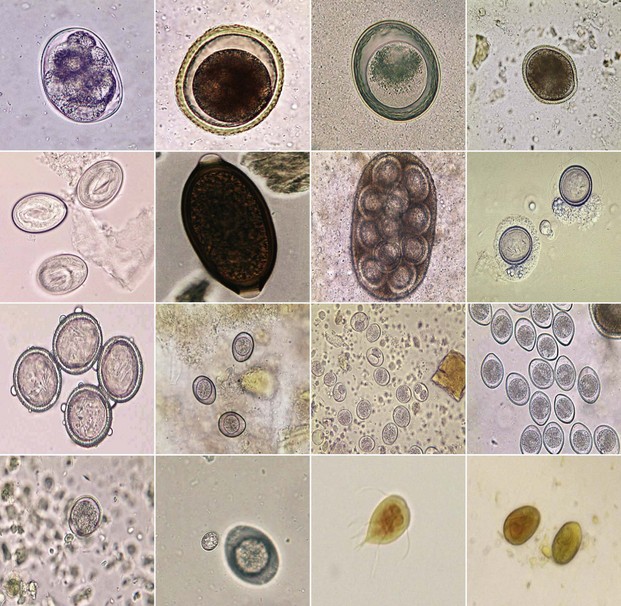
Equine Parasite Chart

Horse Worm Identification Chart

Horse Worm Identification Chart
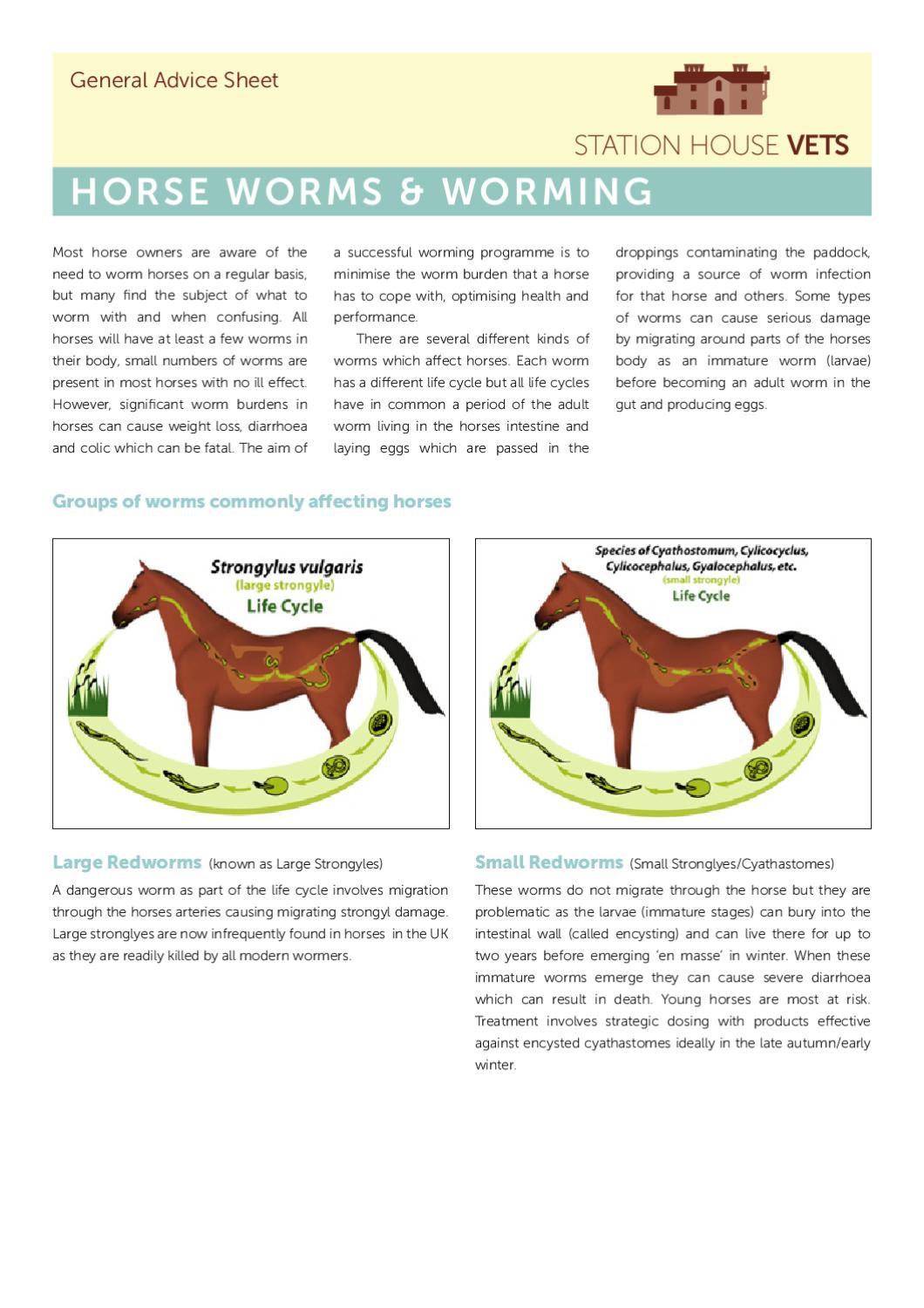
Spring Deworming Guide for Horses Horse Care Advisor
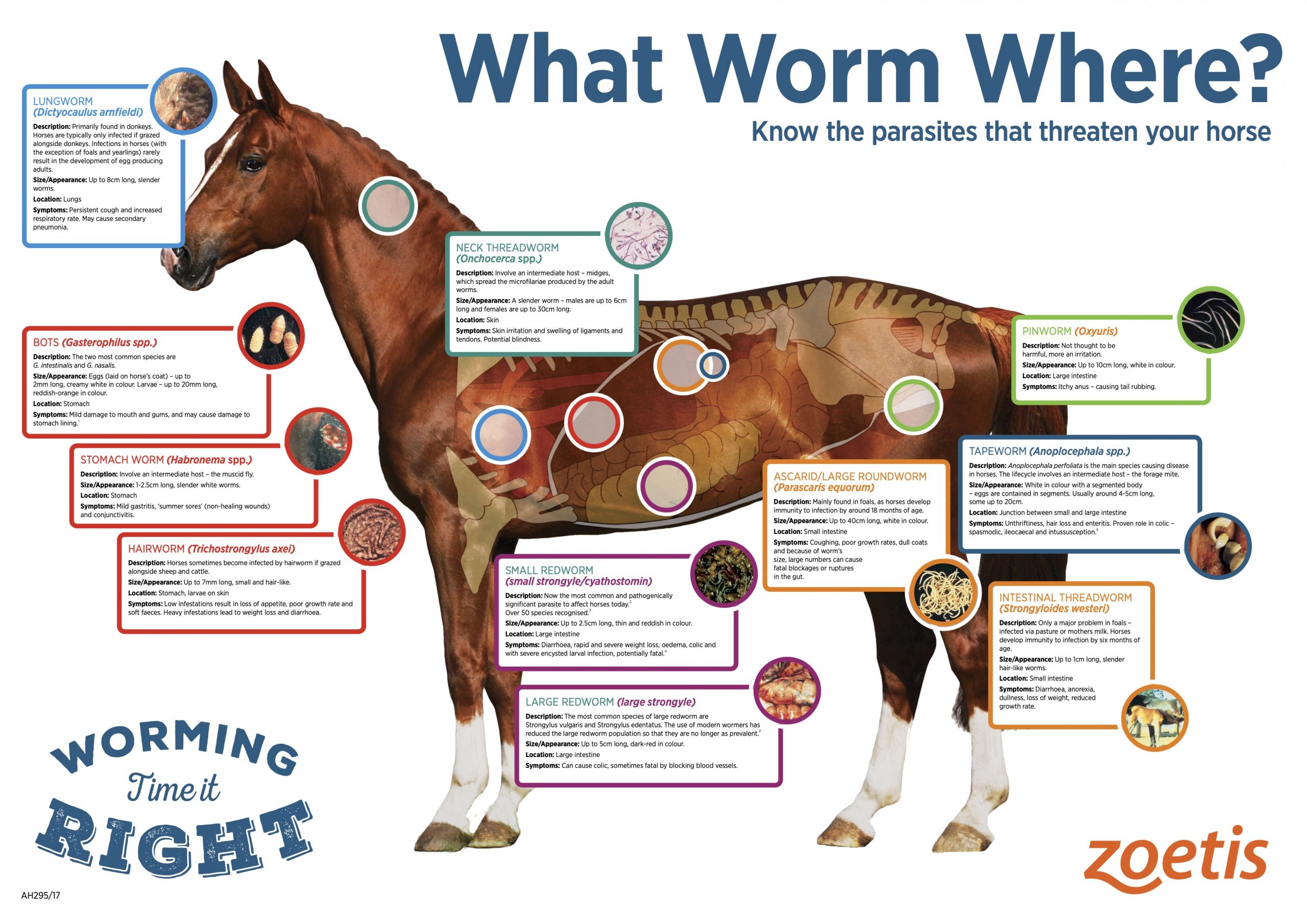
Ultimate Guide to Horse Dewormers Types, Effectiveness & Safety
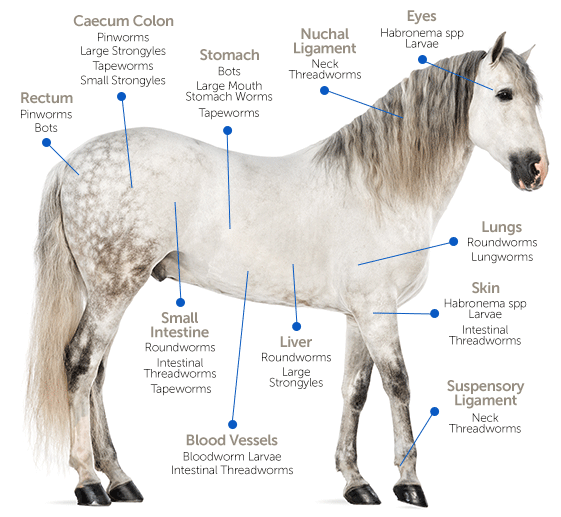
Horse Parasite Info
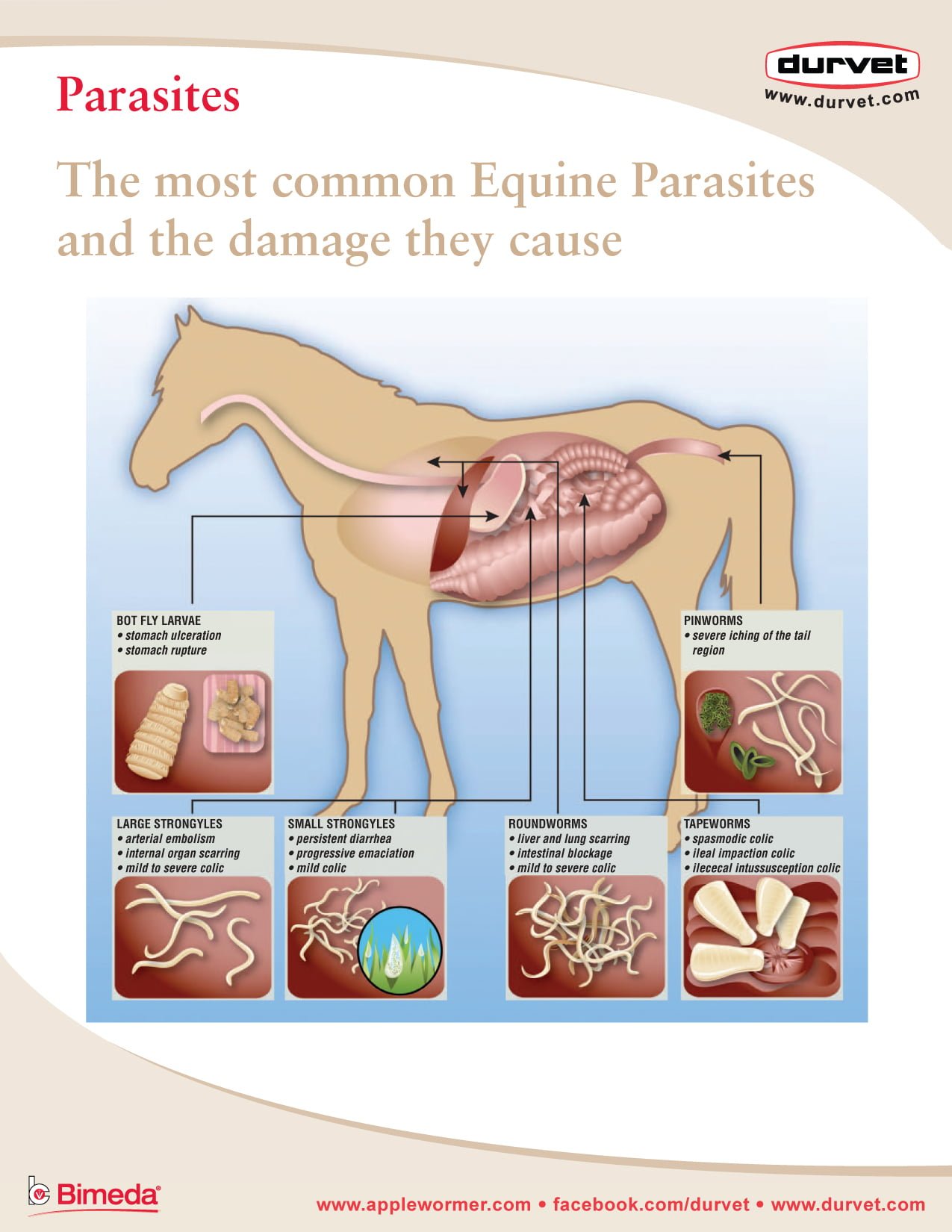
Equine Parasites Chart Durvet

Horse Worm Identification Chart
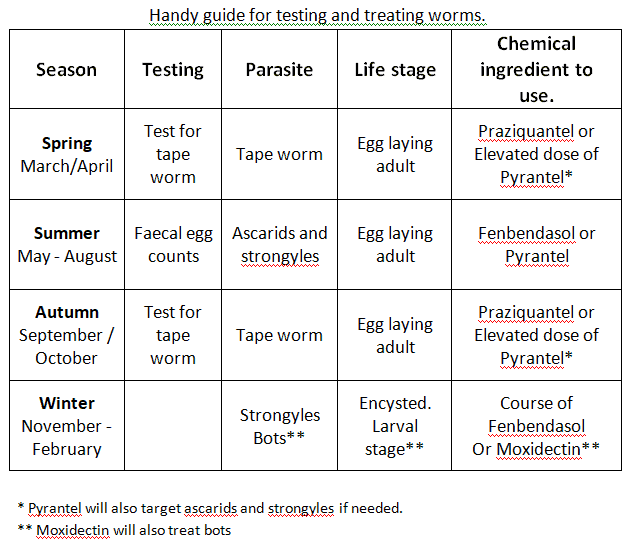
Equine Worming GuideA Multi Pronged Approach. Irish Sport Horse Magazine
Web Redworms, Roundworms, Pinworms, Tapeworms And Many Other Internal And External Parasitic Agents Are Ubiquitous In Grazing Horses And Can Adversely Impact Equine.
Web “Faecal Worm Egg Counts Of Above 250 Eggs Per Gram Of Faeces Are Classed As High.” Annual Horse Worming Schedule.
Web Learn How To Recognize The Most Common Equine Parasites In Your Horse's Manure, Such As Strongyles, Ascarids, Tapeworms, And Bots.
Pinworm Eggs Are Picked Up By Horses From.
Related Post: