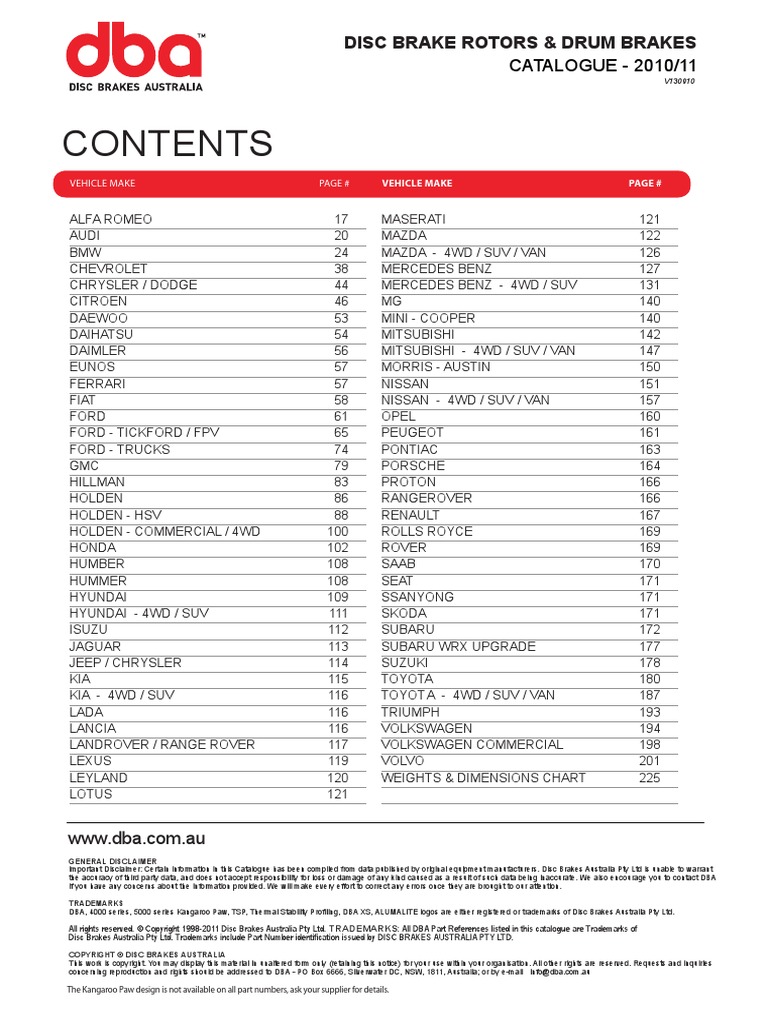
Minimum Thickness Brake Rotors Chart
Minimum Thickness Brake Rotors Chart - Regularly measuring brake rotor wear is important to maintain braking efficiency and avoid costly consequences. To accurately measure against the minimum thickness use a micrometer at th. Your rotor may exhibit signs of disc thickness variation (dtv). Adhere to minimum rotor thickness specifications, avoiding measurement near edges, slots, or holes. Web to measure the minimum brake rotor thickness correctly, you will need to use a gauge. Web there should be a minimum thickness stamped on the rotor. Nominal size thickness minus 1.6 mm. Web #2 · nov 16, 2022. Web i checked the thickness of both front and rear rotors and there's only.060 left before hitting the minimum thickness. Web thin rotor blades can cause your car to lose traction and skid. If your rotor has worn past this thickness or needs to be cut, you need new rotors. Web * all brake rotors have a discard dimension cast into them. 1.0 mm (0.039 in.) since u were asking about the rotor thickness, i thought this info might be usefull for u as well Web the mics will easily measure the true thickness and will read the rotor away from and off the high ridge of the lip. That's only.030 per side which isn't much, especially if they're warped very bad. The lowest value should be used as reference for the entire rotor. Modern brake rotors are thinner than older models to reduce weight and costs, making them more susceptible to damage. Web i checked the thickness of both front and rear rotors and there's only.060 left before hitting the minimum thickness. Measurements should be taken in at least 4 different points. It lists the recommended minimums for different kinds of cars, such as sedans, suvs, trucks, and more. Modern brake rotors are thinner than older models to reduce weight and costs, making them more susceptible to damage. This section usually contains a chart indicating all. 11.0 mm (0.433 in.) minimum thickness: Web can anyone point me to the specification on minimum brake rotor thicknesses on a 2013 ford f150 supercrew? Web #2 · nov 16, 2022. Web however, manufacturers provide minimum thicknesses for their rotors. Web i checked the thickness of both front and rear rotors and there's only.060 left before hitting the minimum thickness. Web the minimum thickness for general inspection (motor vehicle inspection) is defined as follows: It lists the recommended minimums for different kinds of cars, such as sedans, suvs, trucks, and more.. The lowest value should be used as reference for the entire rotor. After refinishing the rotor, replace any rotor that does not meet the minimum thickness specifications. The thickness of the rotor to determine if it meets the requirement for remaining depth takes into consideration the air gap for cooling. Rotors with deep corrosion pits, wear grooves, rotor ridges that. Web locate the minimum thickness standard: Nominal size thickness minus 1.6 mm. This is usually found on the hat (the central portion of the rotor), within the cooling veins, or on the outer edges. So there’s 2.75mm of wearable material until they’re considered used up. Web the mics will easily measure the true thickness and will read the rotor away. Adhere to minimum rotor thickness specifications, avoiding measurement near edges, slots, or holes. Nominal size thickness minus 1.6 mm. It lists the recommended minimums for different kinds of cars, such as sedans, suvs, trucks, and more. Web to measure the minimum brake rotor thickness correctly, you will need to use a gauge. Here are specs for my 2011, probably same. The lowest value should be used as reference for the entire rotor. So i'm wondering what are the actual minimums with it still being safe. Web i'm getting my front and rear brakes done and am trying to get the drums and rotors resurfaced but they are saying they are already at the minimum thicknesses. As shown here in figure. Web chrysler brake rotor and pad minimum specifications. Web to measure the minimum brake rotor thickness correctly, you will need to use a gauge. The used rotors i removed averaged out at 21.10mm, resulting in.65mm used in one brake pad life cycle. That's only.030 per side which isn't much, especially if they're warped very bad. Web most specifications for rotor. Web on the new rotors it is stamped 19mm minimum thickness, and they come at 21.75mm thick. 11.0 mm (0.433 in.) minimum thickness: Web thin rotor blades can cause your car to lose traction and skid. Modern brake rotors are thinner than older models to reduce weight and costs, making them more susceptible to damage. The lowest value should be. Web thin rotor blades can cause your car to lose traction and skid. It might have the minimum thickness there, too. 2011 odyssey lx, 136k miles. Web follow specific steps and guidelines to accurately measure rotor thickness using a micrometer. It lists the recommended minimums for different kinds of cars, such as sedans, suvs, trucks, and more. Web engraved on the side of your rotor you can find the minimum operational thickness. One of the fronts has less than that. Web locate the minimum thickness standard: Web can anyone point me to the specification on minimum brake rotor thicknesses on a 2013 ford f150 supercrew? Web there should be a minimum thickness stamped on the rotor. Shimano recommends that its rotors, which start out 1.8mm thick, should be replaced when the braking surface has been reduced to 1.5mm. Web can anyone point me to the specification on minimum brake rotor thicknesses on a 2013 ford f150 supercrew? The used rotors i removed averaged out at 21.10mm, resulting in.65mm used in one brake pad life cycle. 24.46 and 24.52 where does that leave me in overall life? Web the minimum thickness for general inspection (motor vehicle inspection) is defined as follows: Modern brake rotors are thinner than older models to reduce weight and costs, making them more susceptible to damage. 11.0 mm (0.433 in.) minimum thickness: Web #2 · nov 16, 2022. It might have the minimum thickness there, too. The thickness of the rotor to determine if it meets the requirement for remaining depth takes into consideration the air gap for cooling. Rotors with deep corrosion pits, wear grooves, rotor ridges that can be seen or felt with your finger/finger nails means it’s time to replace. Web to measure your rotor’s minimum operational thickness, place a micrometer at the thinnest point on the rotor’s surface where it meets the brake pads. It lists the recommended minimums for different kinds of cars, such as sedans, suvs, trucks, and more. So i'm wondering what are the actual minimums with it still being safe. The ideal thickness for rotors depends on the type of tires you have and how often they need to be replaced, but generally, they should be between 1/32nd and 1/8th inch thick. Check the rotor for a stamp or engraving indicating the minimum allowable thickness.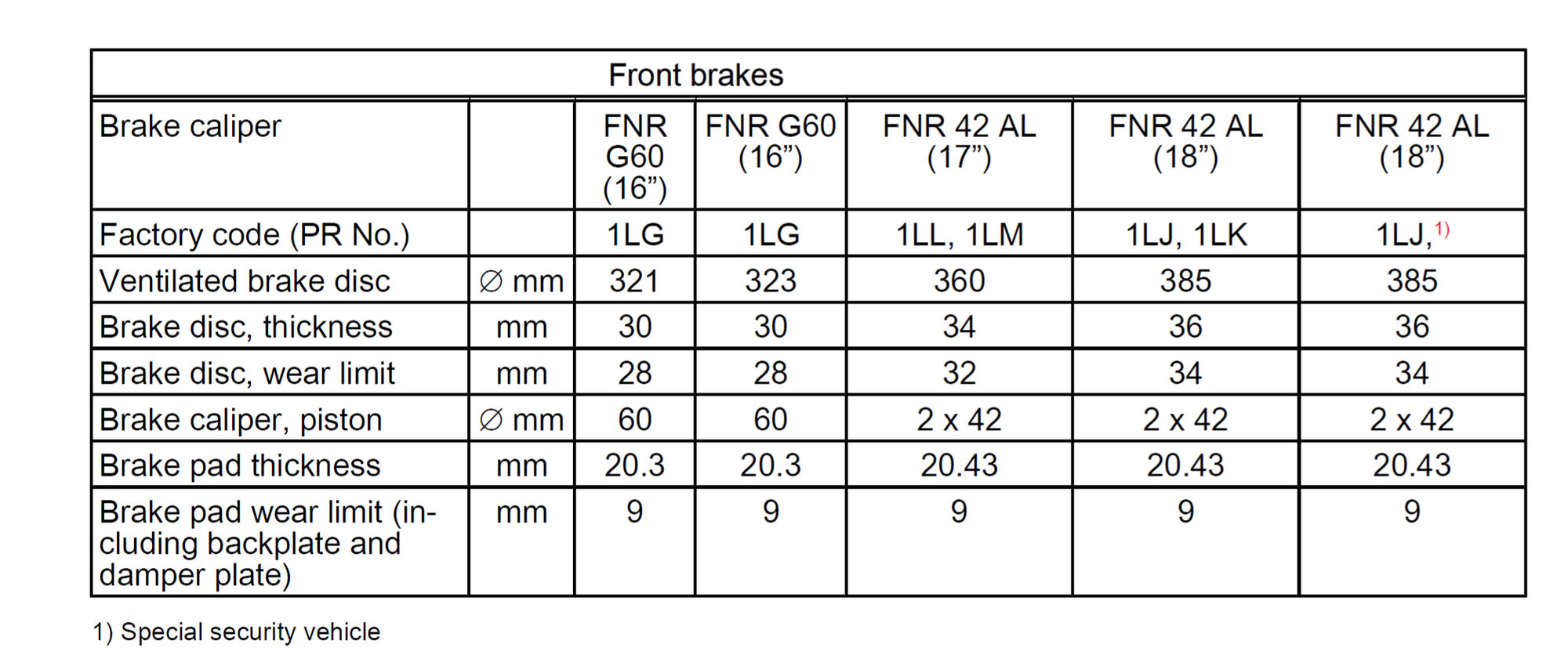
Minimum Rotor Thickness Chart Nissan

Minimum Thickness Brake Rotors Chart

Brake Rotor Thickness Specifications Chart
Minimum Rotor Thickness Chart
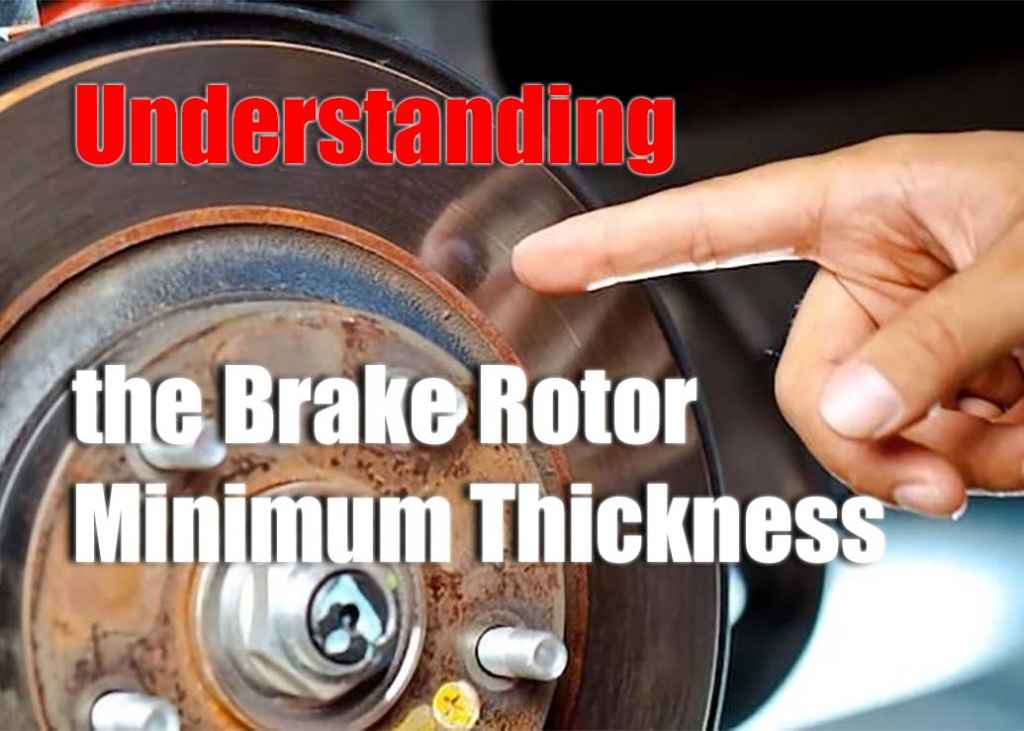
Understanding the Brake Rotor Minimum Thickness Chart

Brake Rotor Thickness Specifications Chart
Rotor Minimum Thickness Chart

Minimum Rotor Thickness Honda Odyssey / Repair Guides Measure the

Minimum Rotor Thickness Chart Toyota A Visual Reference of Charts

brake rotor minimum thickness chart toyota 1 Brake rotors, Brake, Chart
Web I Checked The Thickness Of Both Front And Rear Rotors And There's Only.060 Left Before Hitting The Minimum Thickness.
Web I'm Getting My Front And Rear Brakes Done And Am Trying To Get The Drums And Rotors Resurfaced But They Are Saying They Are Already At The Minimum Thicknesses.
Adhere To Minimum Rotor Thickness Specifications, Avoiding Measurement Near Edges, Slots, Or Holes.
Regularly Measuring Brake Rotor Wear Is Important To Maintain Braking Efficiency And Avoid Costly Consequences.
Related Post: