Noise Color Chart
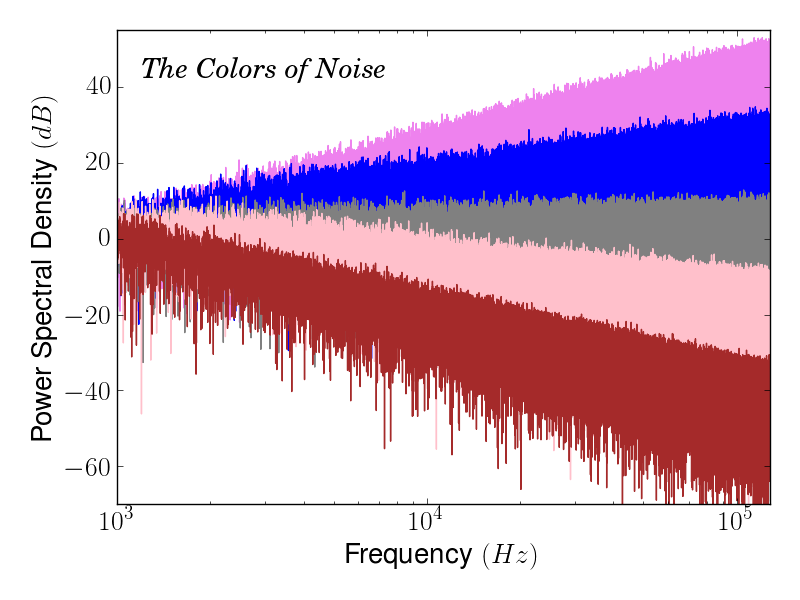
Noise Color Chart - Noise is one of the best forms of healing around. White noise is random noise that has equal energy at all frequencies. Web from white and brown noise to blue and pink noise, discover the different colors of noise and what they each mean. Web while the best color noise for sleep varies from person to person, some evidence shows certain colors may help more than others. The result is often a more natural, balanced sound when compared to white noise that produces a slight hissing, which can sound like the static of an old television set. Different colors of noise have significantly different properties. In this article, we’ll break down the different color noises and their benefits. Do you find that silent meditation doesn't quite cut it for you? Web what colors are there? The term white noise comes from the nature of white light. By recognizing the unique properties of each, you can choose the best sound for your needs. Have you been feeling stressed or sleepless? Noise is one of the best forms of healing around. Web the colours of noise are an interesting and very useful way to categorise the different types of noise that we encounter in our environment. Get examples of the colors and their uses. Web learn about the colors of noise, including white, pink, brown, blue, and more. They can also enhance concentration and improve productivity. Web pink noise is one of the methods that gets closer to approximating human hearing. The term white noise comes from the nature of white light. Warm colors like brown and pink assign to low frequencies and colder colors like blue and violet assign to high frequencies. Different types of noise have unique properties and can be used for relaxation and other therapeutic purposes. Understanding how to use these colors effectively is a skill that sets apart seasoned producers from novices. Warm colors like brown and pink assign to low frequencies and colder colors like blue and violet assign to high frequencies. Web synthesis ⇝ noise colors.. What does green noise sound like? Pink noise is similar to white noise, but with a 3 decibel drop in power per octave, making the bass frequencies stronger. In this article, we’ll break down the different color noises and their benefits. Web learn about the colors of noise, including white, pink, brown, blue, and more. Web from the familiar hum. Web in audio engineering, electronics, physics, and many other fields, the color of noise or noise spectrum refers to the power spectrum of a noise signal (a signal produced by a stochastic process). This happens because noise running at different frequencies is perceived differently. Web whether seeking a sound curtain with white noise, a natural retreat with pink noise, a. Sounds like pink noise, white noise, and more, can help ease your mind and build a unique sense of wellness. White noise is random noise that has equal energy at all frequencies. This happens because noise running at different frequencies is perceived differently. Violet noise is the inverse of brown noise, with a rising response of 6db per octave (amplitude. This happens because noise running at different frequencies is perceived differently. Additionally, noise colors have been found. Web from white and brown noise to blue and pink noise, discover the different colors of noise and what they each mean. Different colors of noise have significantly different properties. Web noise colors, such as white and pink noise, are often used to. You can already tell from the graph, but pink noise works by gradually reducing the power of its signal as frequency increases. Here's how they differ from each other, and what they tend to be used for. The term white noise comes from the nature of white light. Most people have heard of white noise, but there's more than one. Different colors of noise have significantly different properties. Web pink noise is one of the methods that gets closer to approximating human hearing. Web understanding the different colors of noise can be beneficial for various applications, from personal relaxation to professional sound engineering. Additionally, noise colors have been found. Take a look at the noise spectrum as we go over. Understanding how to use these colors effectively is a skill that sets apart seasoned producers from novices. Get examples of the colors and their uses. Recently color has been used as an analogy for the different combinations of low, medium, and high pitched sounds that make up steady background noise. White noise is random noise that has equal energy at. Do you find that silent meditation doesn't quite cut it for you? Noise is one of the best forms of healing around. Web the colours of noise are an interesting and very useful way to categorise the different types of noise that we encounter in our environment. This happens because noise running at different frequencies is perceived differently. What does. They can also enhance concentration and improve productivity. Additionally, noise colors have been found. Web the difference between noise colors (white, pink, brown, etc.) lies with the noise frequency, high to low, and knowing the difference may help you sleep better. Web the array of noise colors offers a rich palette for music producers, each color bringing its unique qualities. What does green noise sound like? Additionally, noise colors have been found. Here's how they differ from each other, and what they tend to be used for. The result is often a more natural, balanced sound when compared to white noise that produces a slight hissing, which can sound like the static of an old television set. White color is when all the frequencies are present in equal manner. Web the difference between noise colors (white, pink, brown, etc.) lies with the noise frequency, high to low, and knowing the difference may help you sleep better. Web in audio engineering, noise signals are divided into colors according to their frequency spectrum. Get examples of the colors and their uses. Web noise colors, such as white and pink noise, are often used to help with sleeplessness, tinnitus, and blocking background noise. This happens because noise running at different frequencies is perceived differently. Web each type of colored sound is random noise that falls within a certain band of the spectrum of audible sound, giving your ear a different impression or feeling when you hear it. White noise is random noise that has equal energy at all frequencies. The term white noise comes from the nature of white light. Different types of noise have unique properties and can be used for relaxation and other therapeutic purposes. Violet noise is the inverse of brown noise, with a rising response of 6db per octave (amplitude is proportional to f. Sounds like pink noise, white noise, and more, can help ease your mind and build a unique sense of wellness.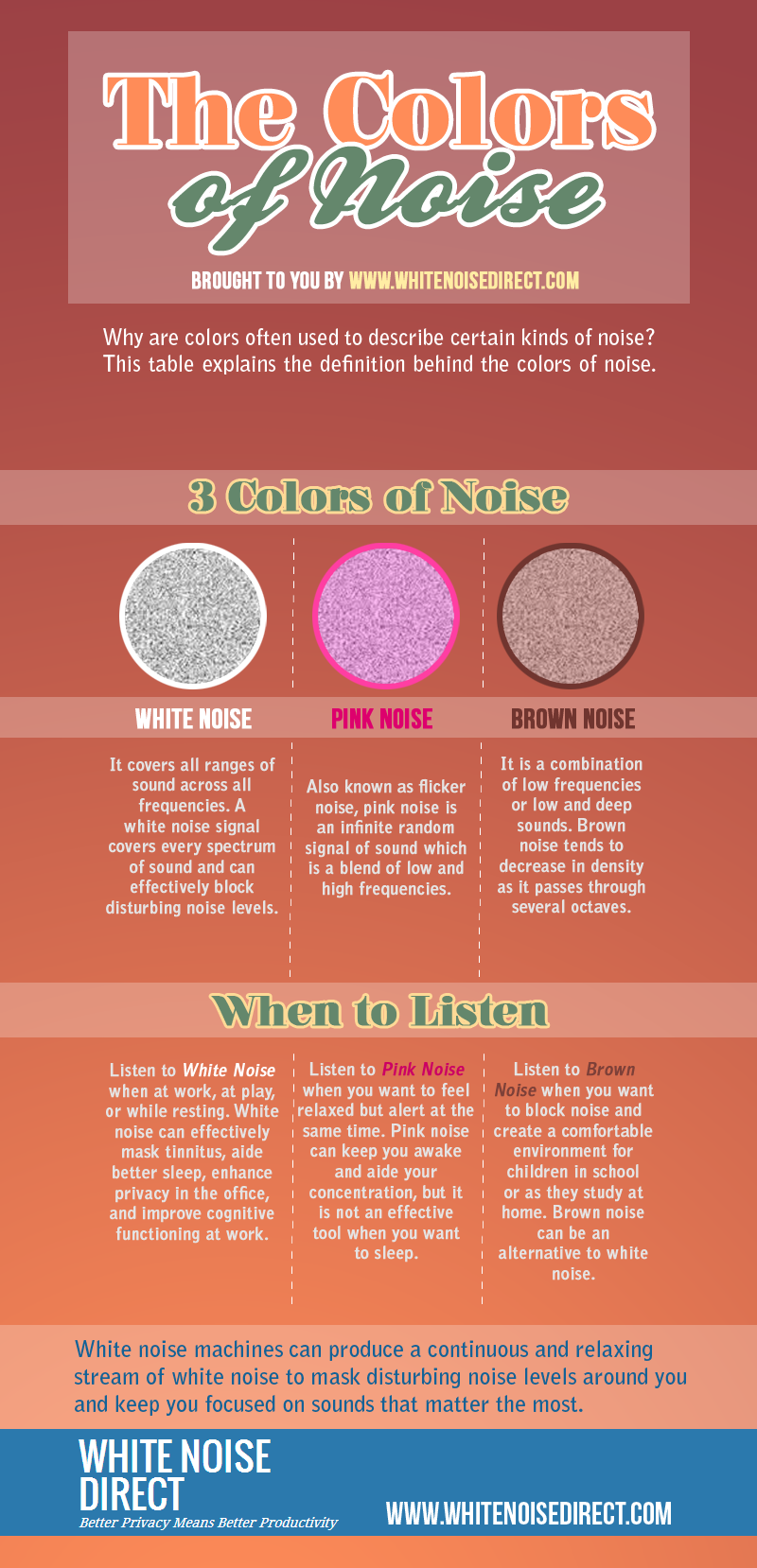
The Colors of Noise Visual.ly
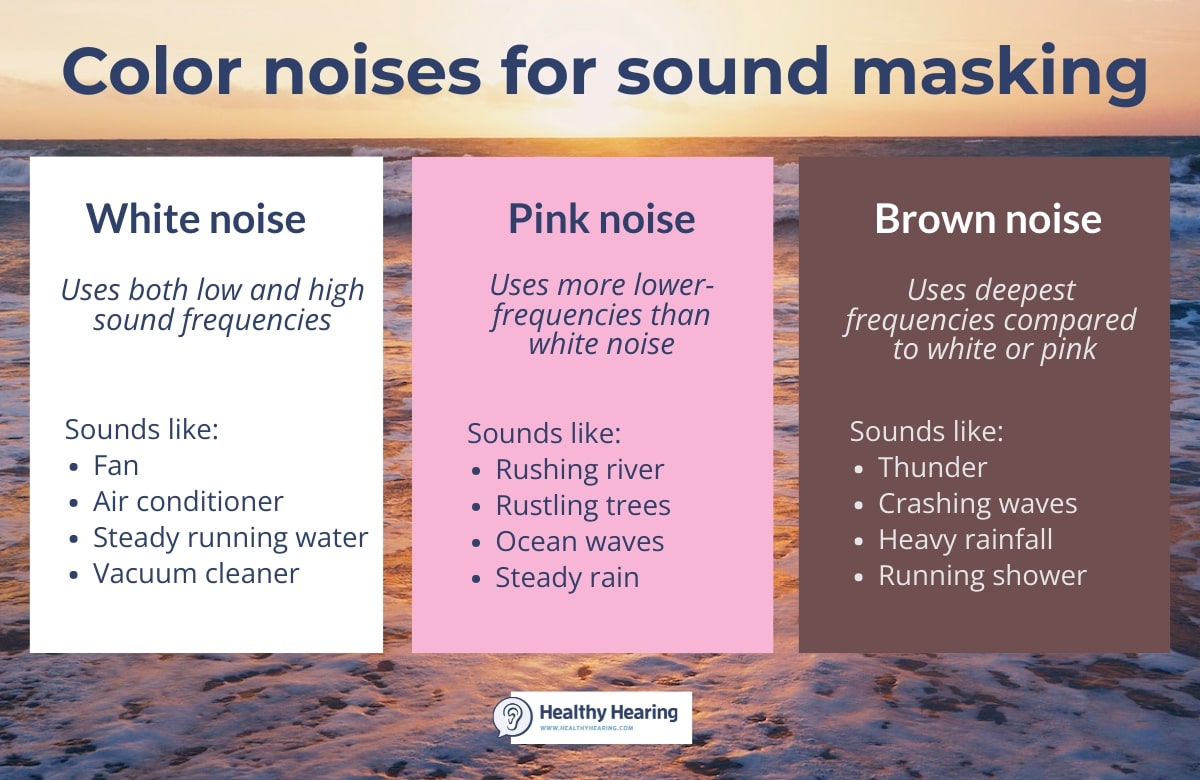
Brown noise and others What are noise colors?

Colors of noise Wikipedia

The Color of Sound Chart Color, Sound, Sound frequencies

Sound Color Chart American English — Educational Solutions
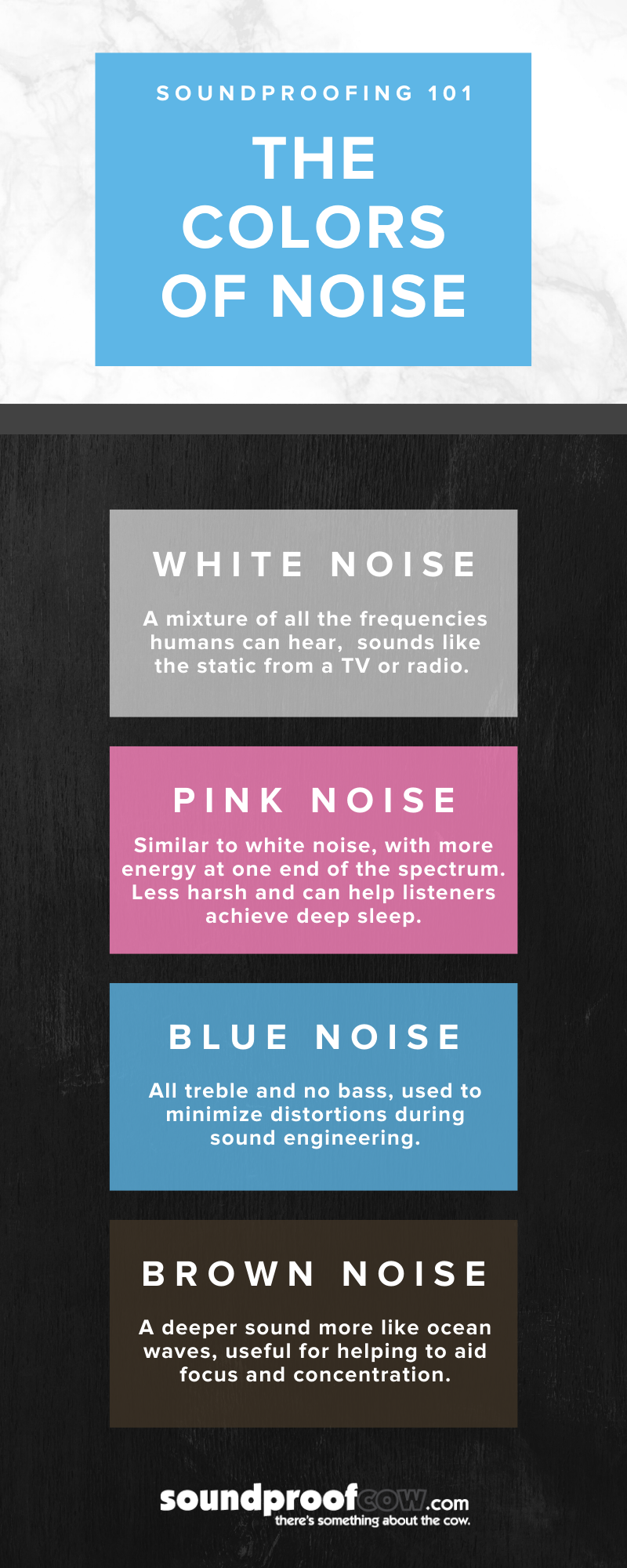
What Are The Different Colors of Noise Noise Colors
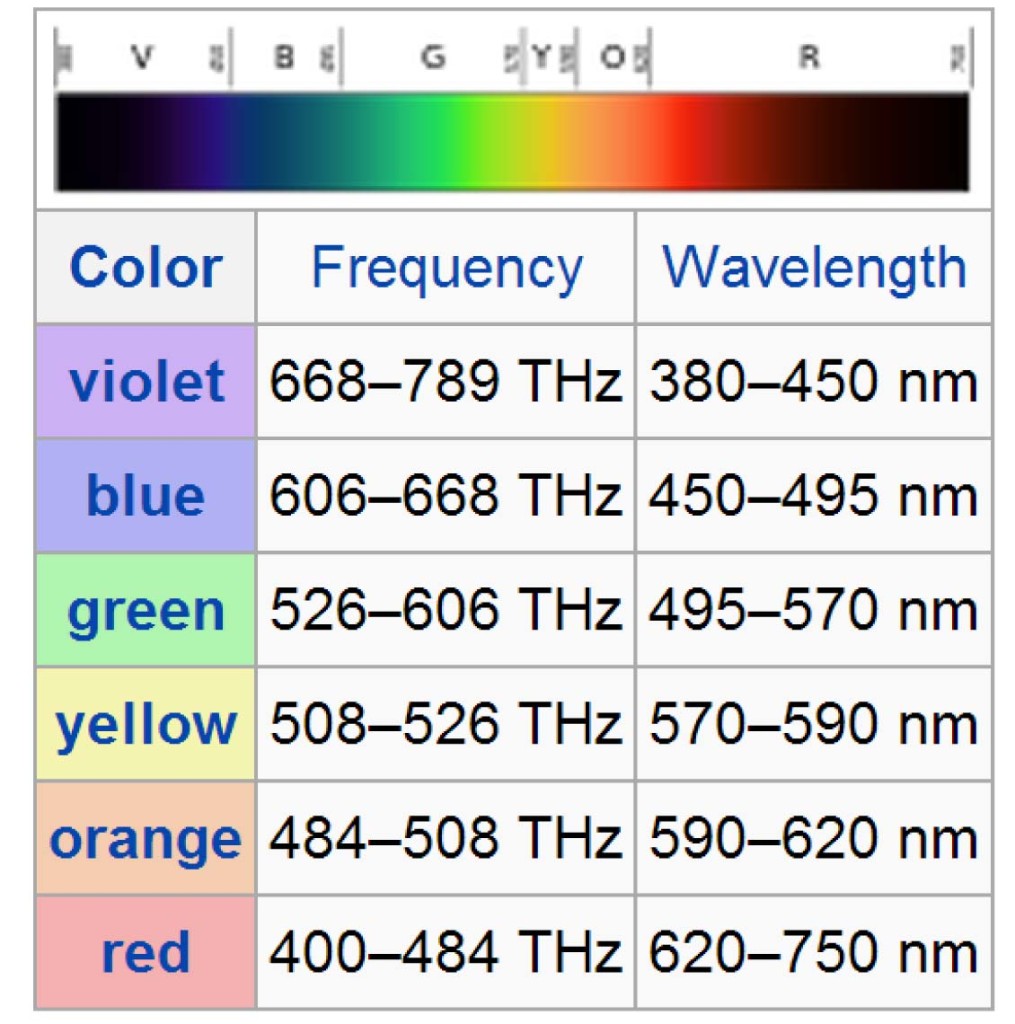
Music Spectrum Chart Rainbow Music
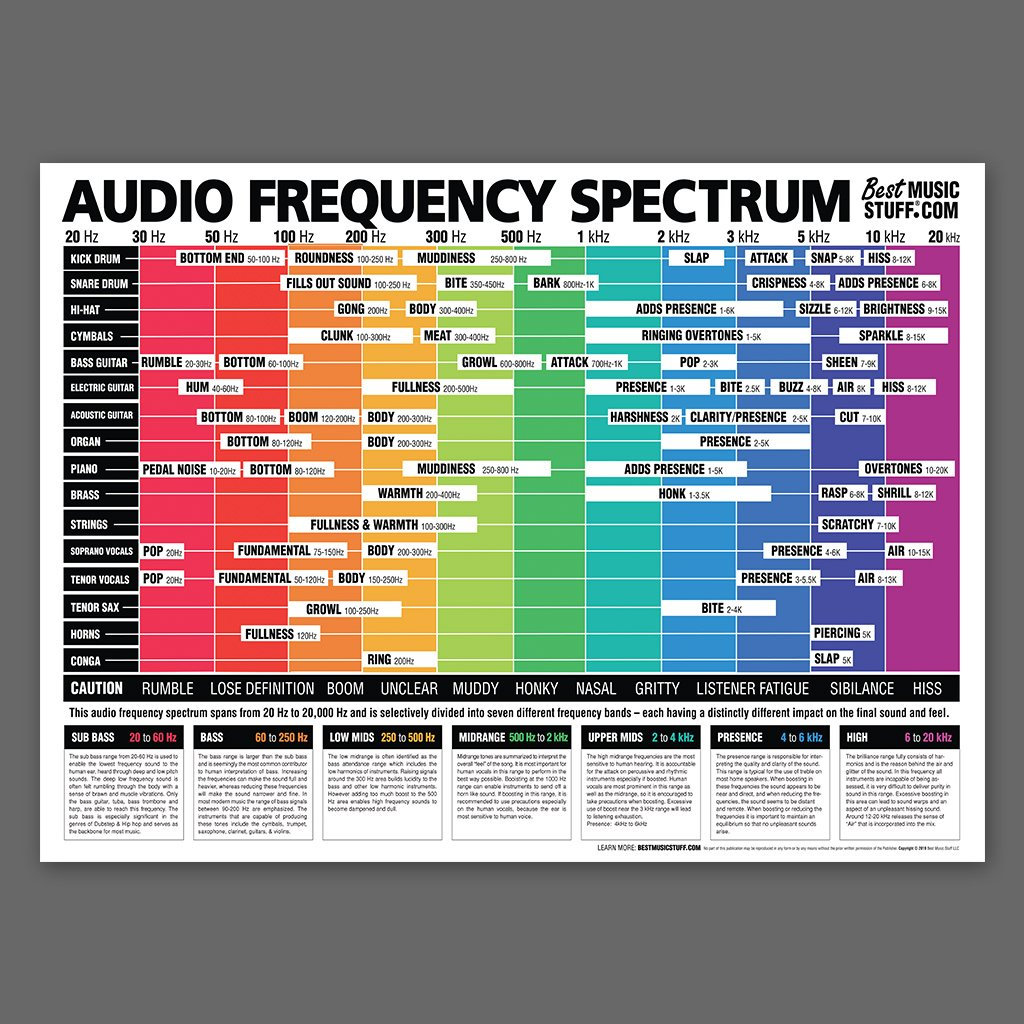
The Ultimate Audio Frequency Spectrum Poster 24 X 36 Inches Etsy
White Noise vs Pink Noise vs Brown Noise Noise Colors Explained

Colors of noise infographic
The Human Ear Can Perceive A Broad Range Of Frequencies.
Web Blue Noise Is Essentially The Inverse Of Pink Noise, With Its Amplitude Increasing By 3Db Per Octave (The Amplitude Is Proportional To F).
Web Synthesis ⇝ Noise Colors.
Web Whether Seeking A Sound Curtain With White Noise, A Natural Retreat With Pink Noise, A More Balanced Green Noise, Or The Depth And Power Of Brown Noise, There's A Spectrum Of Soundscapes To Meet Varying Preferences And Purposes.
Related Post: