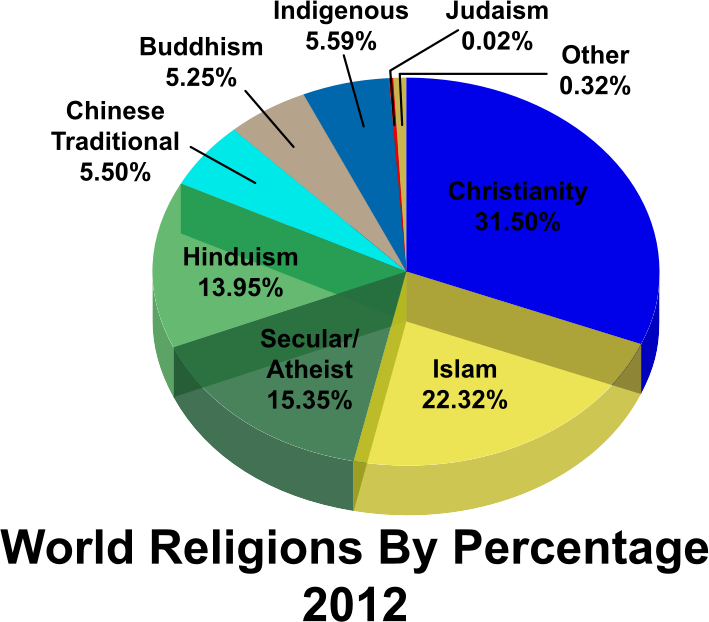
Religions Of The World Pie Chart
Religions Of The World Pie Chart - Web generally speaking, buddhism, christianity, hinduism, islam, and judaism are considered the five major world religions, although sikhism, shintoism, or taoism may also be studied in. Print it to distribute to students, or display it. Web the world religion database (wrd) contains detailed statistics on religious affiliation for every country of the world. Web islam (green) is the top religion in a string of countries from northern africa through the middle east to indonesia. You may click on one of eight religious groupings listed in the menu to examine its. India stands out as a huge hindu bloc (dark orange). It provides source material, including censuses and surveys, as well as best estimates for every religion to offer a. You can zoom in and out to explore the details and compare the regions. Web in total, christians represent 31.7 percent of the world’s population. It also includes the percentage of nonreligious and atheistic populations. Web what percentage of world religions began in the middle east, with faiths that revere patriarchs such as abraham? Click me to change the background color! It conducts public opinion polling,. Christianity, islam, hinduism, buddhism, sikhism, and judaism. Islam, which is practiced by more than 1.91 billion people, is second. This pie chart demonstrates the percentages of the world's peoples following the six of the most widely practiced religions: Some notable folk religions include african traditional religions, chinese folk religions, native american religions, and australian aboriginal religions. 19,731 online adults under the age of 75 across 26 countries, interviewed jan. Web this is a printable (pdf) pie chart on the world's major religions. Research center is a nonpartisan fact tank that informs the public about the issues, attitudes and trends shaping the world. Web this chart shows the world's largest religious groups in 2015 and in 2060 (projection). Web as the chart makes clear, this covers a lot of very diverse religious ground (buddhist, muslim, hindu, and finally “everything else”); The most popular religion is christianity, followed by an estimated 2.38 billion people worldwide. Web this is a printable (pdf) pie chart on. Web in my previous two posts, i presented a global religious pie chart, graphically displaying and comparing the relative sizes of the major religions of the world, based upon their own total. Web as of 2020, an estimated 429 million people, about 6% of the world’s total population, were adherents of folk or traditional religions. Web this is a printable. Click me to change the background color! Web in total, christians represent 31.7 percent of the world’s population. Web map showing the relative proportion of christianity (red) and islam (green) in each country as of 2006. Web what percentage of world religions began in the middle east, with faiths that revere patriarchs such as abraham? Web drawing on data from. Buddhism (light orange) is the majority religion in south east asia and japan. Web what percentage of world religions began in the middle east, with faiths that revere patriarchs such as abraham? Web map showing the relative proportion of christianity (red) and islam (green) in each country as of 2006. Distribution of world religions by country/state, and by smaller administrative. Web generally speaking, buddhism, christianity, hinduism, islam, and judaism are considered the five major world religions, although sikhism, shintoism, or taoism may also be studied in. Web map showing the relative proportion of christianity (red) and islam (green) in each country as of 2006. Christianity, islam, hinduism, buddhism, sikhism, and judaism. This webpage provides a full size infographic that visualizes. And in third position is hinduism which has nearly 1.2 billion adherents and about 15 percent of the total population. Web this article aims to present statistical information on the number of adherents to various religions, including major faiths such as christianity, islam, hinduism, buddhism, and others, as well as smaller religious communities. Web explore religious beliefs around the world. Web pie chart of world religions. It provides source material, including censuses and surveys, as well as best estimates for every religion to offer a. Web map showing the relative proportion of christianity (red) and islam (green) in each country as of 2006. It conducts public opinion polling,. Distribution of world religions by country/state, and by smaller administrative regions for. But again, each of these several diverse slices is pretty. Buddhism (light orange) is the majority religion in south east asia and japan. Print it to distribute to students, or display it. How do different religions vary in their geographic distribution? 19,731 online adults under the age of 75 across 26 countries, interviewed jan. Web as the chart makes clear, this covers a lot of very diverse religious ground (buddhist, muslim, hindu, and finally “everything else”); Web this chart shows the world's largest religious groups in 2015 and in 2060 (projection). This pie chart demonstrates the percentages of the world's peoples following the six of the most widely practiced religions: Web map showing the. Click me to change the background color! Web drawing on data from the united nations population fund—which she previously used to create a series of population and urbanization maps—and from the world religion database, osgood visualizes the relative populations of each country by sizing them as proportional pie charts, with. Web world religions statistics & pie charts. Web pie chart. This webpage provides a full size infographic that visualizes the data on the world's major religions, based on the pew research center's 2015 report. Web generally speaking, buddhism, christianity, hinduism, islam, and judaism are considered the five major world religions, although sikhism, shintoism, or taoism may also be studied in. It conducts public opinion polling,. And in third position is hinduism which has nearly 1.2 billion adherents and about 15 percent of the total population. It provides source material, including censuses and surveys, as well as best estimates for every religion to offer a. It also includes the percentage of nonreligious and atheistic populations. Web explore religious beliefs around the world through an interactive map that displays the religions that are the most prevalent in each country around the world. Free interactive online educational quiz. Web the world religion database (wrd) contains detailed statistics on religious affiliation for every country of the world. Web this chart shows the world's largest religious groups in 2015 and in 2060 (projection). Web what are the religious composition of the world's population? India stands out as a huge hindu bloc (dark orange). Web about 85% of the world's people identify with a religion. Some notable folk religions include african traditional religions, chinese folk religions, native american religions, and australian aboriginal religions. Research center is a nonpartisan fact tank that informs the public about the issues, attitudes and trends shaping the world. You can zoom in and out to explore the details and compare the regions.
Free Images world religions pie chart 0
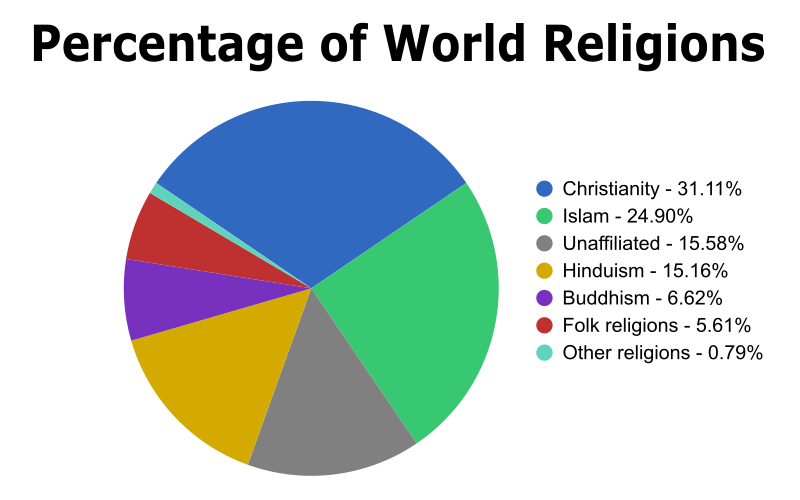
World Population Religion Pie Chart
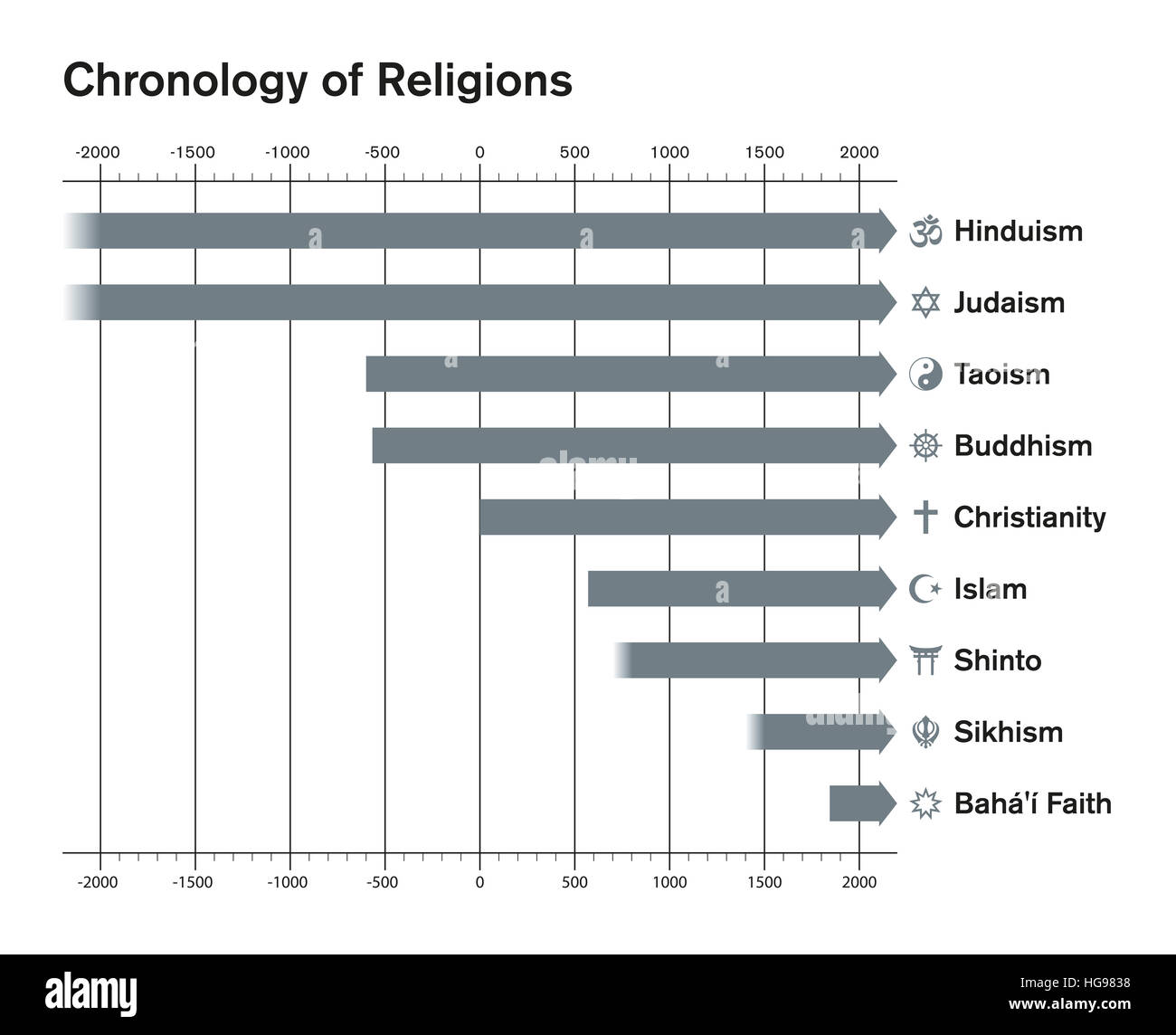
World religions chronology bar chart. Major religious groups Stock
Compare World Religions Chart
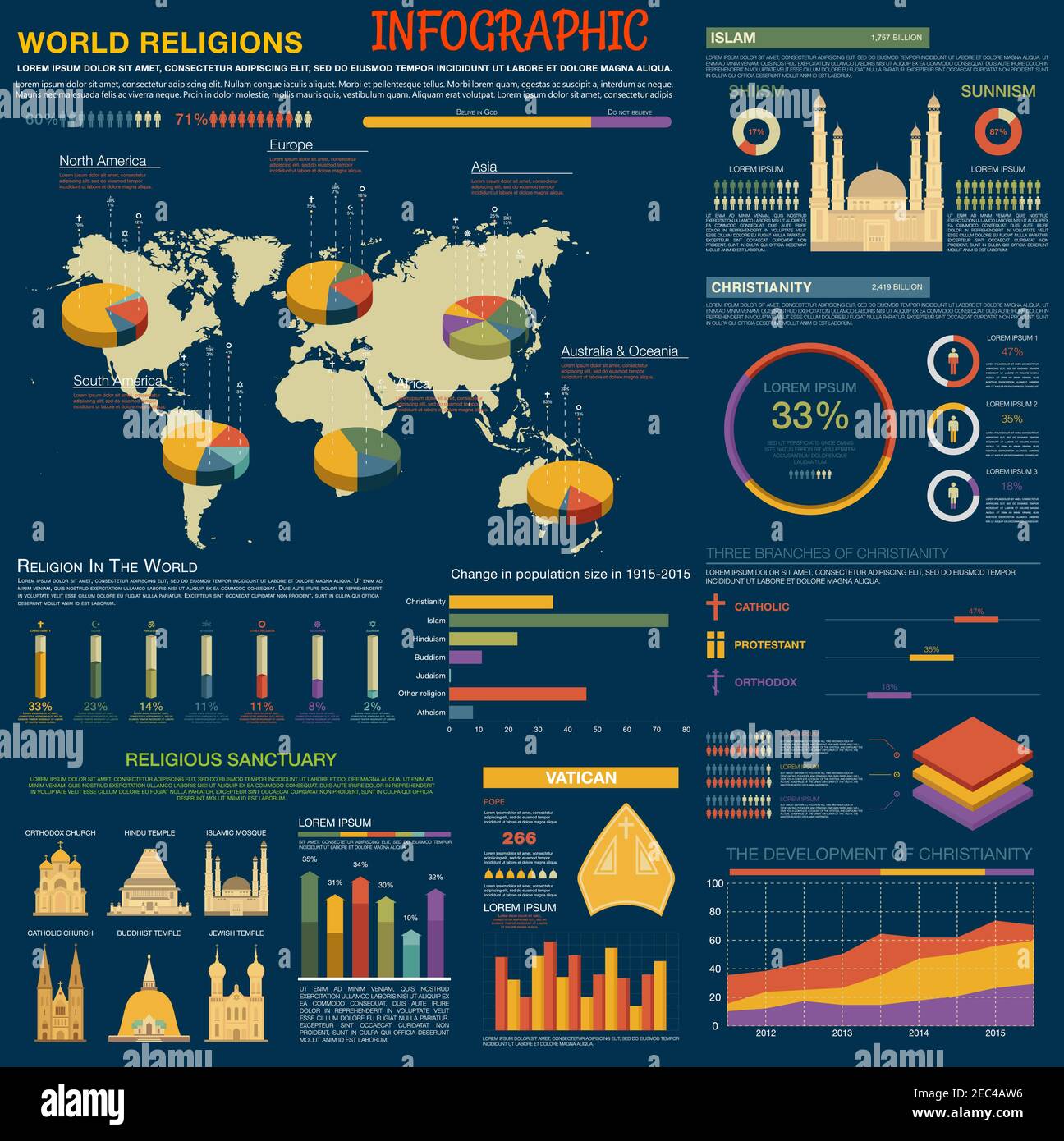
Infographic with pie, bar, circle charts and diagrams, graphs of world
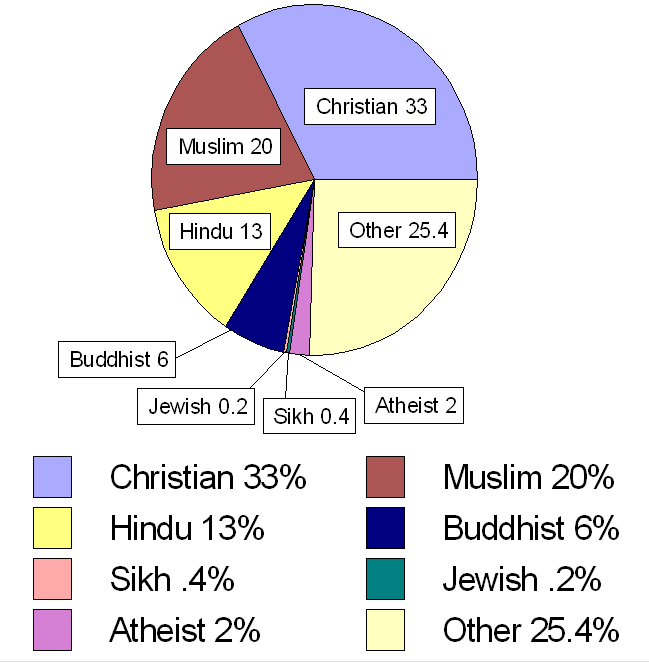
Pie Chart of World Religions Student Handouts
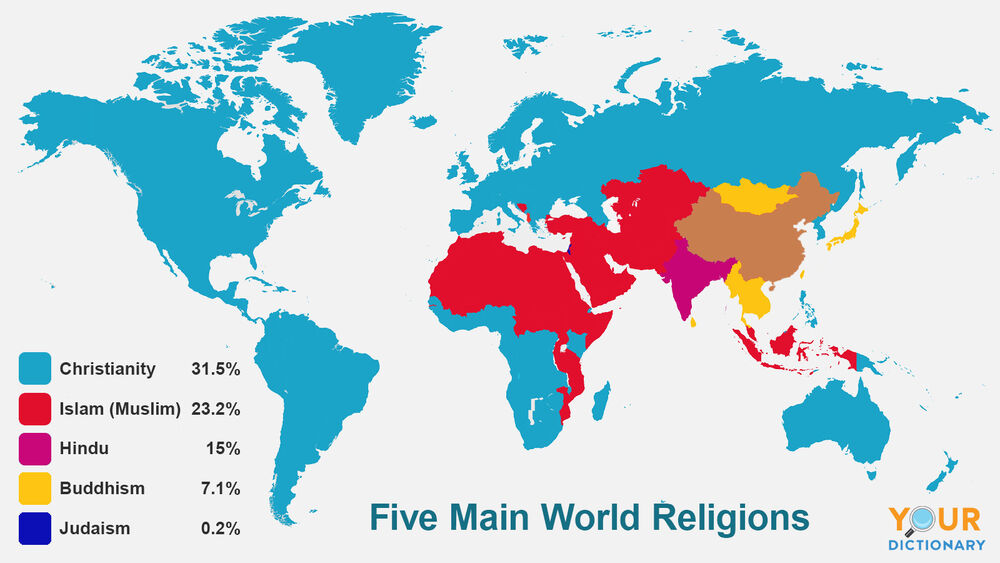
5 Main World Religions and Their Basic Beliefs YourDictionary
Religions Of The World Graph

World Religions Pie Graph
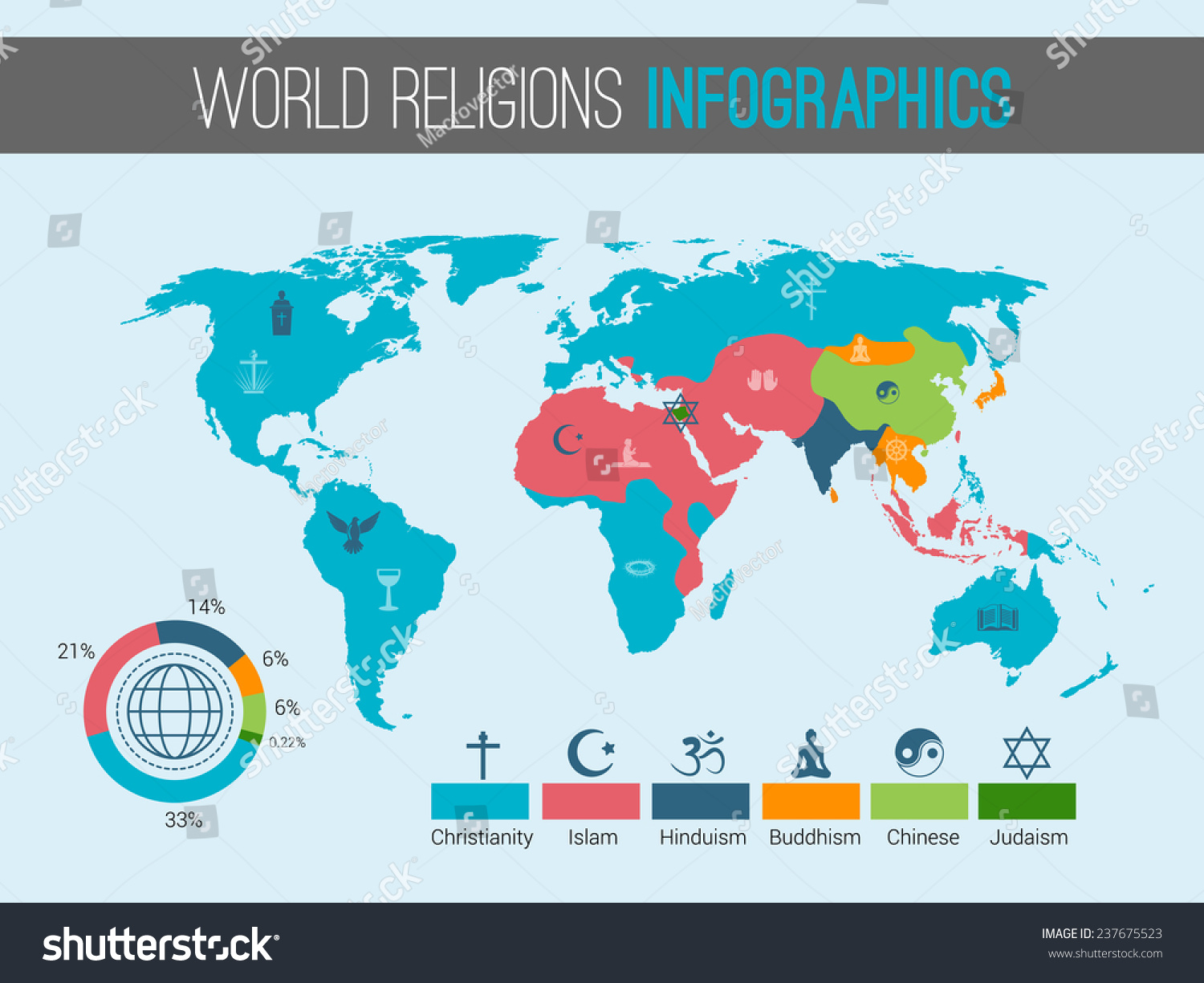
World Religions Infographic With Pie Chart And Map Illustration
Web World Religions Statistics & Pie Charts.
Distribution Of World Religions By Country/State, And By Smaller Administrative Regions For The Largest Countries (2012 Data):
Web Drawing On Data From The United Nations Population Fund—Which She Previously Used To Create A Series Of Population And Urbanization Maps—And From The World Religion Database, Osgood Visualizes The Relative Populations Of Each Country By Sizing Them As Proportional Pie Charts, With.
But Again, Each Of These Several Diverse Slices Is Pretty.
Related Post: