
Skeletal System Chart
Skeletal System Chart - Views of the front, side and back. Learn about the bones, joints, and skeletal anatomy of the human body. The musculoskeletal system (locomotor system) is a human body system that provides our body with movement, stability, shape, and support. When you look at the human skeleton the 206 bones and 32 teeth stand out. There are several types of bones that are grouped together due to their general features, such as shape, placement and additional properties. But look closer and you’ll see even more structures. Skull, clavicle, mandible, scapula, thorax, sternum, humerus, ulna, radius, carpus, phalanges (fingers), metacarpus, spine, pelvis, sacrum, femur, tibia, fibula, tarsus, metatarsus, and the phalanges (toes). Web the skeletal system anatomical laminated chart illustrates the human skeletal system from the front, side and back view. These human skeleton charts were illustrated by tim van de vall. This article discusses the anatomy of the skeletal system—what it's made of, how it's organized, conditions that affect it, and tests that assess it. Web the skeletal system includes your bones, ligaments that attach bone to bone, and cartilage that provides padding between your bones. Web there are 12 major anatomy systems: Describe the composition of bones. Three eyelets across the top make it easy to hang. Bones make up the skeletal system of the human bod y. The skeletal system consists of more than bones. There are several types of bones that are grouped together due to their general features, such as shape, placement and additional properties. The skeletal system is the foundation of your body, giving it structure and allowing for movement. There also are bands of fibrous connective tissue—the ligaments and the tendons—in intimate relationship with the parts of the skeleton. Web here at the skeletal system, you can find details about all the 205 bones explained in an intelligible manner with labeled diagrams that turn it interesting to understand the locations and functions of the bones. Bones make up the skeletal system of the human bod y. Three eyelets across the top make it easy to hang. Human anatomy diagrams show internal organs, cells, systems, conditions, symptoms and sickness information and/or tips for healthy living. Web what is the skeletal system? View of the vertebral column. How many bones are there in the adult skeleton? The goal is to provide a basic foundation you can build upon as you learn and become more confident with anatomy. The skeletal system gives your body its shape and holds your organs in place. Web the skeletal system gives the body its basic framework, providing structure, protection, and movement. Web. Web this diagram depicts skeletal system skeleton diagram. This article discusses the anatomy of the skeletal system—what it's made of, how it's organized, conditions that affect it, and tests that assess it. One of our most popular charts is now available in a large format, 42 inches wide x 62 inches high. Ligaments are bands of dense and fibrous connective. When you look at the human skeleton the 206 bones and 32 teeth stand out. Other illustrations include the bones of the ear, the vertebral column and bone structure. Three eyelets across the top make it easy to hang. The goal is to provide a basic foundation you can build upon as you learn and become more confident with anatomy.. The skeletal system consists of more than bones. There also are bands of fibrous connective tissue—the ligaments and the tendons—in intimate relationship with the parts of the skeleton. Three eyelets across the top make it easy to hang. Web explore the skeletal system with our interactive 3d anatomy models. Views of the front, side and back. Web the skeletal system chart displays complete front and rear views of the human skeleton. Ligaments are bands of dense and fibrous connective tissue that are key to the function of joints. In humans, the skeletal system consists of bones, joints and associated cartilages. The skeletal system consists of more than bones. List several functions of the skeletal system. This body anatomy diagram is great for learning about human health, is best for medical students, kids and general education. Skull, clavicle, mandible, scapula, thorax, sternum, humerus, ulna, radius, carpus, phalanges (fingers), metacarpus, spine, pelvis, sacrum, femur, tibia, fibula, tarsus, metatarsus, and the phalanges (toes). Web the skeletal system chart displays complete front and rear views of the human skeleton.. Three eyelets across the top make it easy to hang. There also are bands of fibrous connective tissue—the ligaments and the tendons—in intimate relationship with the parts of the skeleton. It is believed that the reduction of human bone density in prehistoric times reduced the agility and dexterity of human movement. Web muscles, bones, and joints provide the principal mechanics. It consists of several individual bones, cartilages, bands of fibrous connective tissue and the network of tendons, ligaments and cartilage. Human anatomy diagrams show internal organs, cells, systems, conditions, symptoms and sickness information and/or tips for healthy living. Web this diagram depicts skeletal system skeleton diagram. Web it provides information about the functions of the skeletal system, the shapes of. There are several types of bones that are grouped together due to their general features, such as shape, placement and additional properties. Web here at the skeletal system, you can find details about all the 205 bones explained in an intelligible manner with labeled diagrams that turn it interesting to understand the locations and functions of the bones. Bright easy. Three eyelets across the top make it easy to hang. Ligaments are bands of dense and fibrous connective tissue that are key to the function of joints. Human anatomy diagrams show internal organs, cells, systems, conditions, symptoms and sickness information and/or tips for healthy living. Web muscles, bones, and joints provide the principal mechanics for movement, all coordinated by the nervous system. The skeletal system gives your body its shape and holds your organs in place. Web the skeletal system chart displays complete front and rear views of the human skeleton. Describe the composition of bones. Web there are 12 major anatomy systems: But look closer and you’ll see even more structures. The adult human has two hundred and six bones. An adult human has 206 bones in their body and variety of different joints. In the simplest terms, your skeletal system is your body’s most important support structure. This framework consists of many individual bones and cartilages. View of the vertebral column. Web here at the skeletal system, you can find details about all the 205 bones explained in an intelligible manner with labeled diagrams that turn it interesting to understand the locations and functions of the bones. Use for class or clinic.
The Skeletal System Diagram Labeled . The Skeletal System Diagram
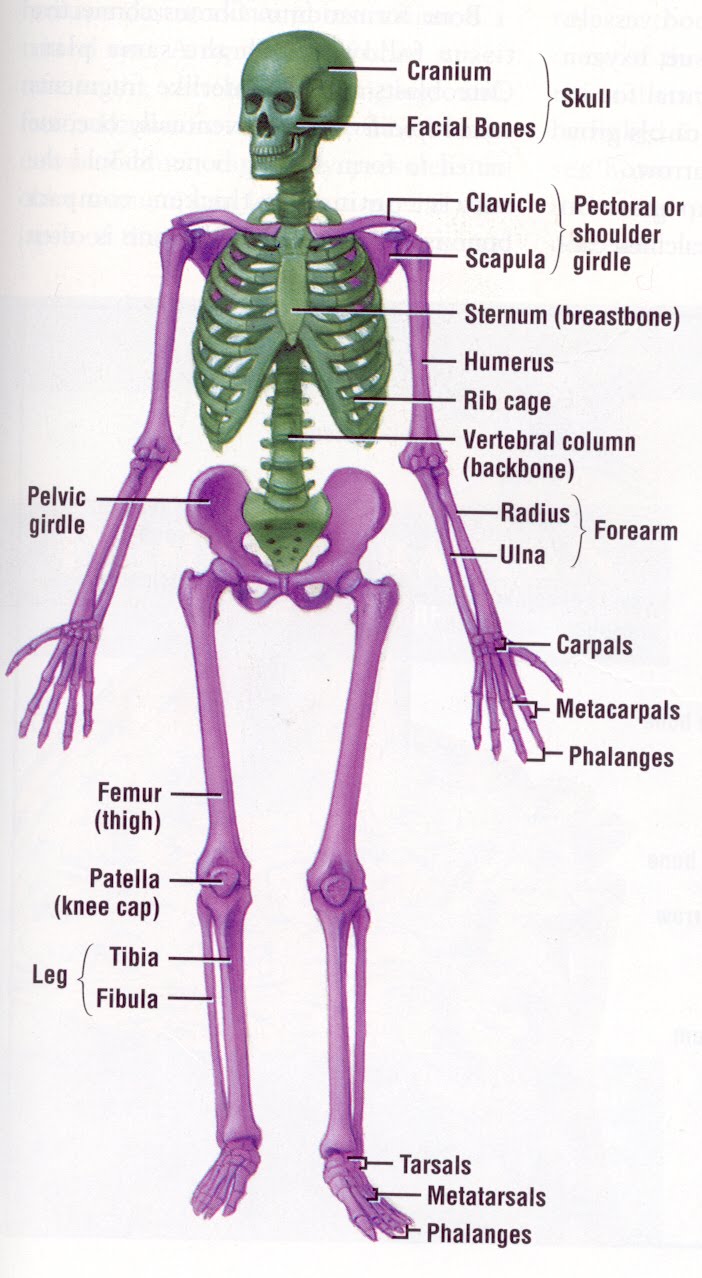
skeletal system diagram

The Skeletal System Facts for Kids (Explained!) Education site

The Human Skeleton All You Need to Know
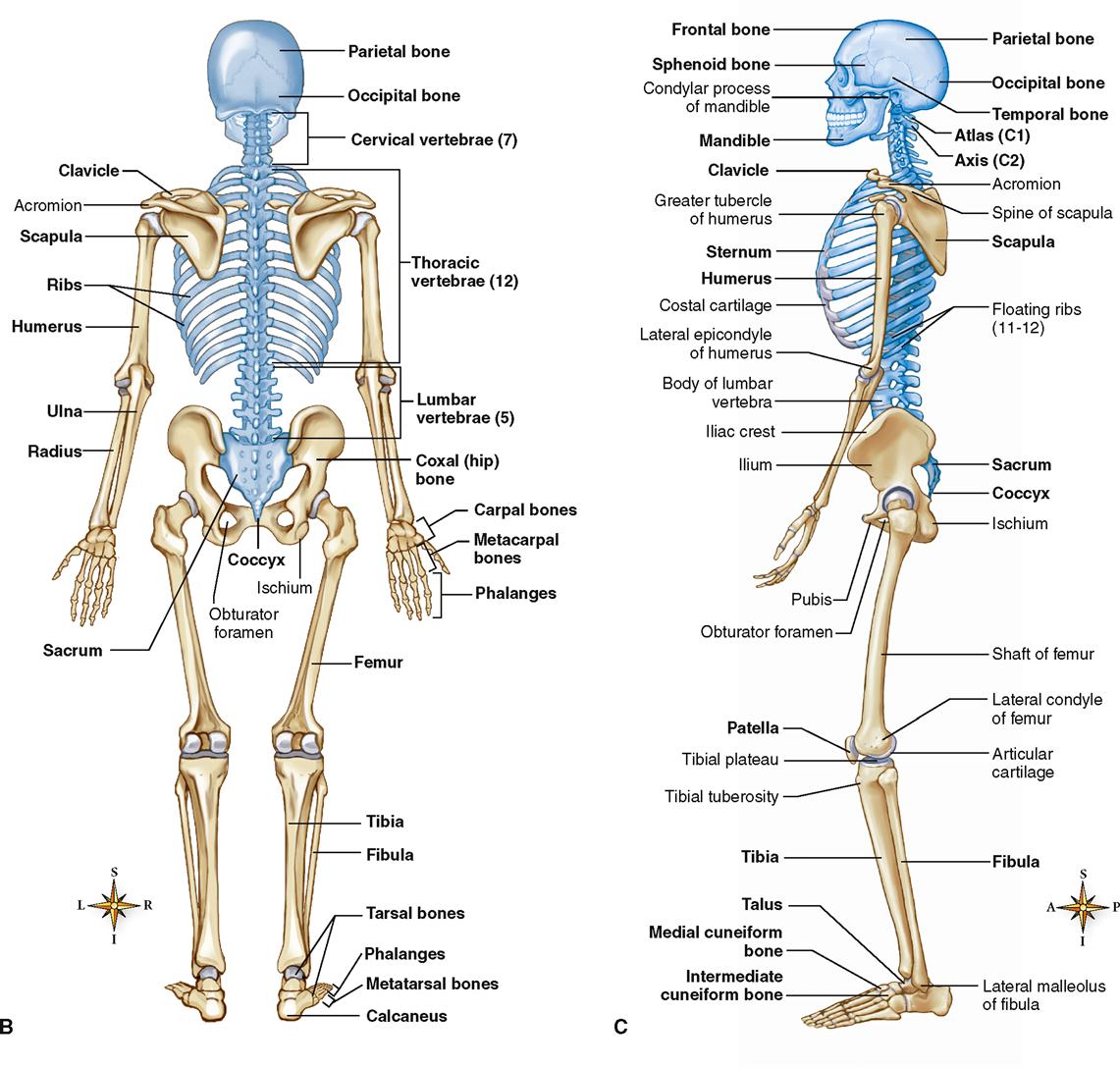
Skeletal System Basicmedical Key
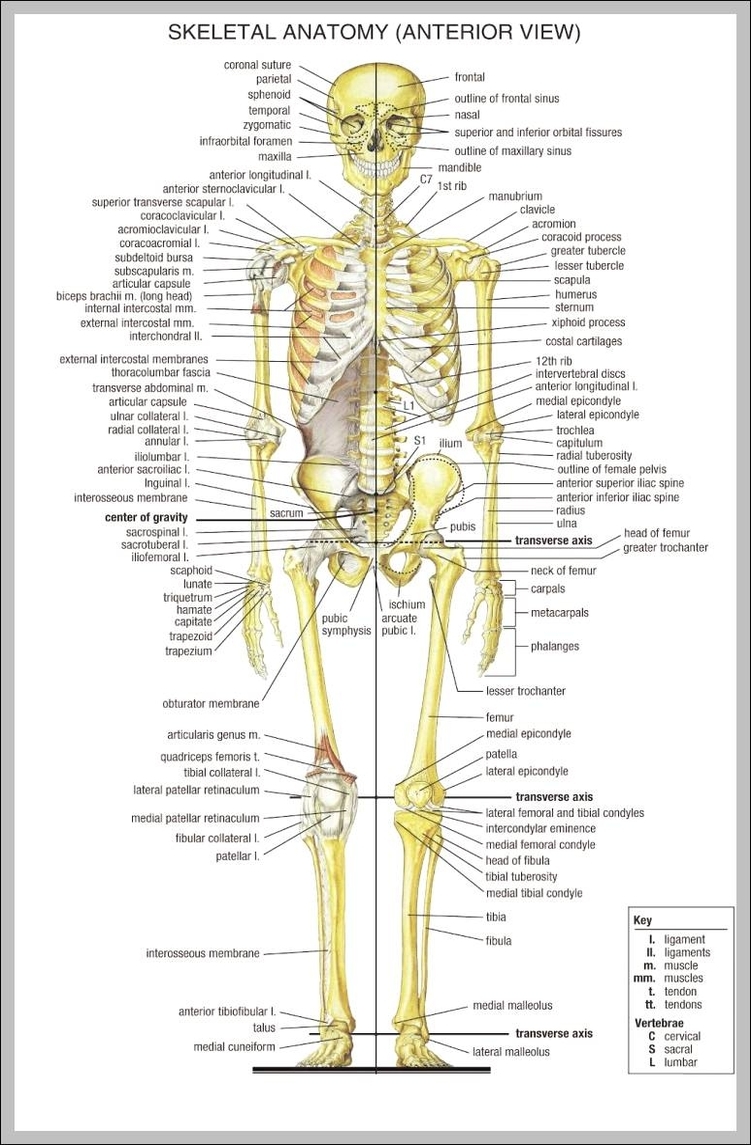
human skeleton Anatomy System Human Body Anatomy diagram and chart
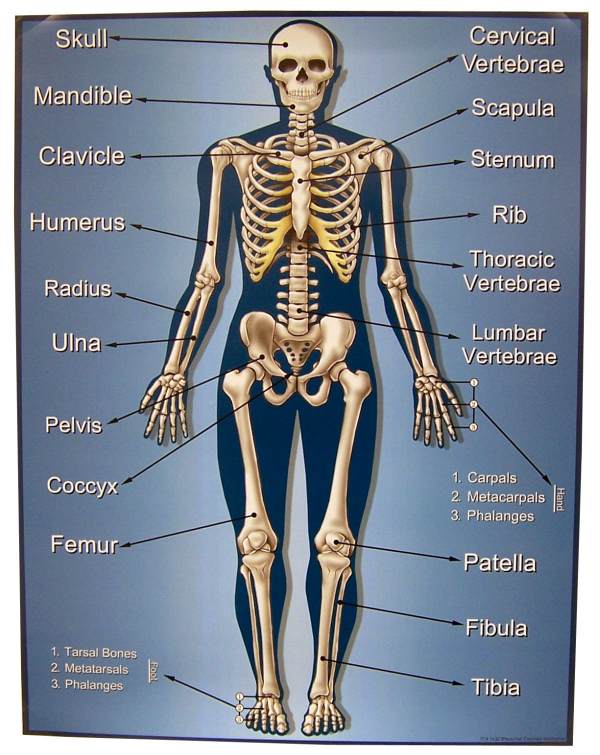
Skeleton Chart Teacher Created Resources
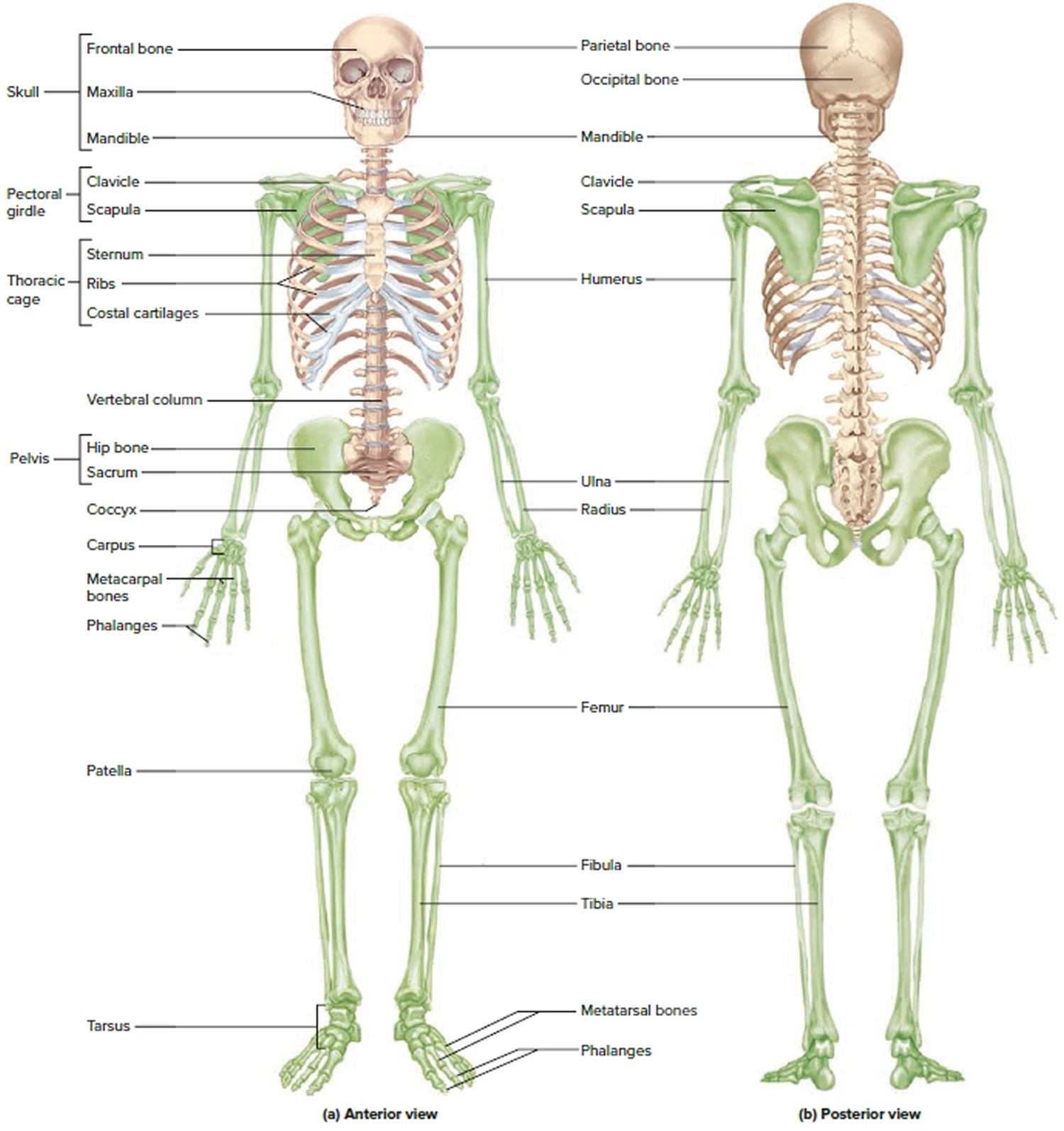
Human Skeleton Skeletal System Function, Human Bones

humanskeletondiagram Tim's Printables
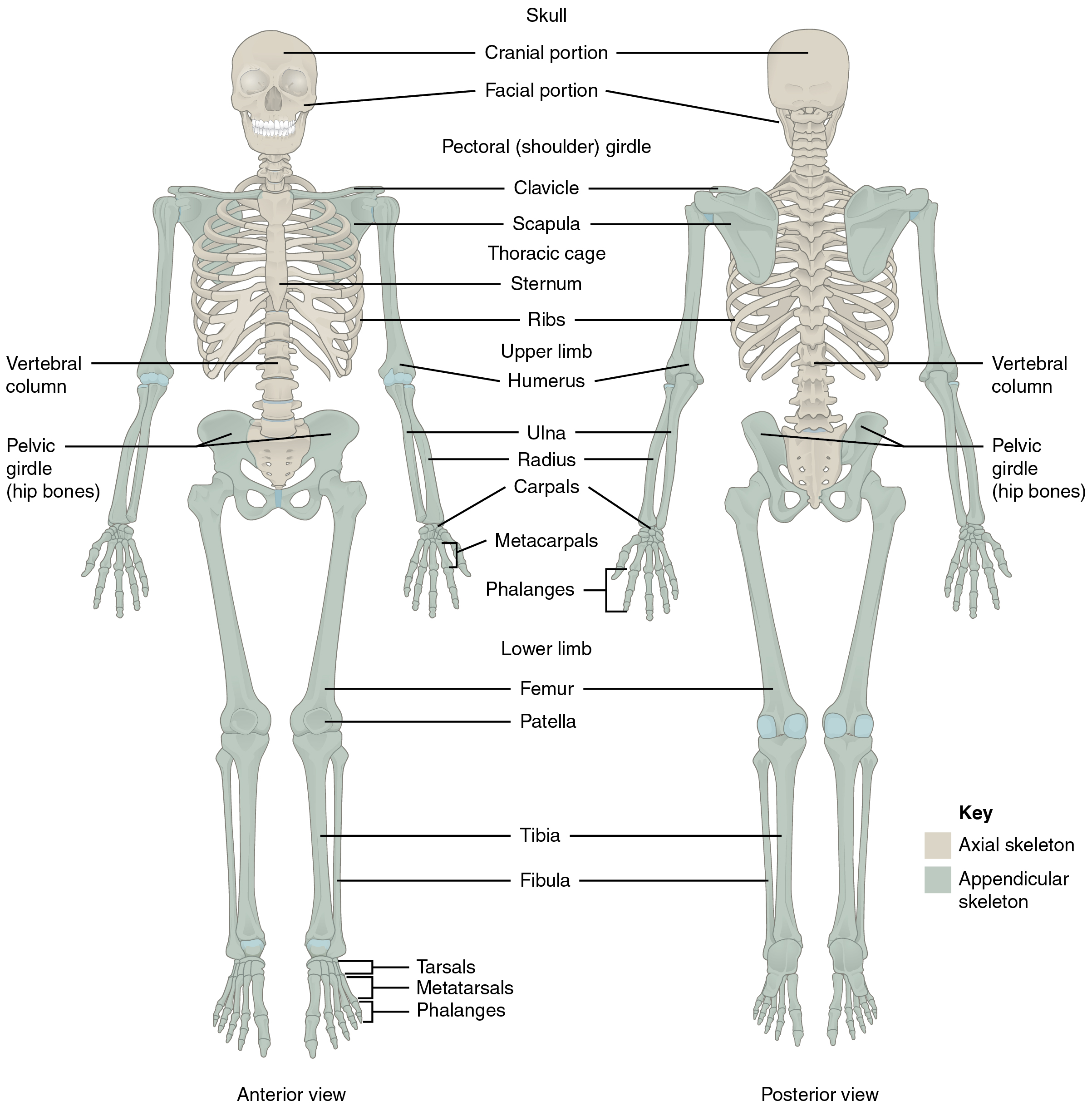
Divisions of the Skeletal System · Anatomy and Physiology
The Goal Is To Provide A Basic Foundation You Can Build Upon As You Learn And Become More Confident With Anatomy.
Web This Diagram Depicts Skeletal System Skeleton Diagram.
There Are Several Types Of Bones That Are Grouped Together Due To Their General Features, Such As Shape, Placement And Additional Properties.
It Is Believed That The Reduction Of Human Bone Density In Prehistoric Times Reduced The Agility And Dexterity Of Human Movement.
Related Post: