
Whitetail Deer Growth Chart
Whitetail Deer Growth Chart - Find out more about whitetail deer hunting and management. Each of these changes over time, and how they look can provide clues as to what age a deer is or isn’t. Some deer body parts to look at when trying to age class a whitetail deer on the hoof include the antlers, back, belly, head, legs, neck, and tarsal glands. This was one of the greatest increases in antler growth i’ve witnessed in 40 years of photographing whitetails. Web learn how to determine deer age with mossy oak's chart. Tooth eruption also signals fawn age. Web if a whitetail with 400 inches of antler was a viable model in the wild, it would have a place in the bell curve. But whitetails of this size exist only where they are created and cared for by deer breeders. While this particular buck is in the kerr wildlife management area deer pen research facility, its antler development is representative of whitetails throughout the texas hill country. Web according to missouri whitetail scientist dr. Find a list of aspects to distinguish a buck’s age, including antler size, shape, muscle tone and more! “those are general rules, but. Web key factors of annual buck antler growth in whitetail include: While this particular buck is in the kerr wildlife management area deer pen research facility, its antler development is representative of whitetails throughout the texas hill country. Older fawns grow more social, lose their spots and venture further away from their mothers. Older bucks typically shed & start growth first; Identifying and using a whitetail deer age chart helps monitor deer populations and keep a broad range of ages among them. Do you know that antler growth also has a specific pace? Genetic potential for antler growth; Web whitetail deer can fuel their bodies with the lush forage provided in the forest throughout may and june. Each of these changes over time, and how they look can provide clues as to what age a deer is or isn’t. Web key factors of annual buck antler growth in whitetail include: Newborns are spotted and do not graze until they reach two weeks of age. Identifying and using a whitetail deer age chart helps monitor deer populations and. Then confirm your buck's age after the shot with a tooth analysis. By breaking down the nutrition calendar into the four seasons and by discussing the specific need of bucks, does and fawns, we can determine the optimal feeding and food plot strategies for your deer herd. Nutrition available to the buck; Web if a whitetail with 400 inches of. Web here are four lessons i can see very plainly in these colored bars. Do you know that antler growth also has a specific pace? The percentage of a buck's maximum antler growth increases with age. Web according to missouri whitetail scientist dr. Web the process of getting a whitetail from the button buck stage to the boone and crockett. Newborns are spotted and do not graze until they reach two weeks of age. Focus on age, not antlers. Web the process of getting a whitetail from the button buck stage to the boone and crockett category is a mystical journey that includes a complex assortment of variables. Stress (physical) from prior breeding season; But whitetails of this size exist. Web whitetail deer can fuel their bodies with the lush forage provided in the forest throughout may and june. Web the process of getting a whitetail from the button buck stage to the boone and crockett category is a mystical journey that includes a complex assortment of variables. By breaking down the nutrition calendar into the four seasons and by. Most importantly, the chart displays a truth about all whitetail populations, which is that bucks of any single age class will display a. And then age and genetics, but you can’t do anything about genetics,” said miller, professor emeritus at the university of georgia’s. This was one of the greatest increases in antler growth i’ve witnessed in 40 years of. Older fawns grow more social, lose their spots and venture further away from their mothers. “those are general rules, but. Each of these changes over time, and how they look can provide clues as to what age a deer is or isn’t. Web key factors of annual buck antler growth in whitetail include: Stress (physical) from prior breeding season; Web here are four lessons i can see very plainly in these colored bars. Stress (physical) from prior breeding season; Web whitetail deer hunting can be improved through harvest management. Older fawns grow more social, lose their spots and venture further away from their mothers. Web the key for managers is to provide the deer with what they need most,. By breaking down the nutrition calendar into the four seasons and by discussing the specific need of bucks, does and fawns, we can determine the optimal feeding and food plot strategies for your deer herd. In contrast, moose antlers do not begin growth until two — three months after antler casting. Web the 3 most important factors for antler growth.. He was now a typical 5x6. Find out more about whitetail deer hunting and management. Web learn how to determine deer age with mossy oak's chart. For this reason, combined with the long photoperiod, these two months are the peak growing season of a buck’s rack. Stress (physical) from prior breeding season; And then age and genetics, but you can’t do anything about genetics,” said miller, professor emeritus at the university of georgia’s. Stress (physical) from prior breeding season; Identifying and using a whitetail deer age chart helps monitor deer populations and keep a broad range of ages among them. Web if a whitetail with 400 inches of antler was a viable model in the wild, it would have a place in the bell curve. Nutrition available to the buck; Older fawns grow more social, lose their spots and venture further away from their mothers. Web whitetail deer age chart using body characteristics. But whitetails of this size exist only where they are created and cared for by deer breeders. Web witness the transformative growth of whitetail deer antlers from fuzzy stubs to velvety knobs to magnificent racks worthy of display in your living room. Some deer body parts to look at when trying to age class a whitetail deer on the hoof include the antlers, back, belly, head, legs, neck, and tarsal glands. Tooth eruption also signals fawn age. Web the following photos illustrate antler growth for 1 buck from 26 march 1999 through 15 september 1999. You can understand it better if you go through the whitetail deer antler growth chart by month. Web whitetail deer can fuel their bodies with the lush forage provided in the forest throughout may and june. For this reason, combined with the long photoperiod, these two months are the peak growing season of a buck’s rack. Web whitetail deer hunting can be improved through harvest management.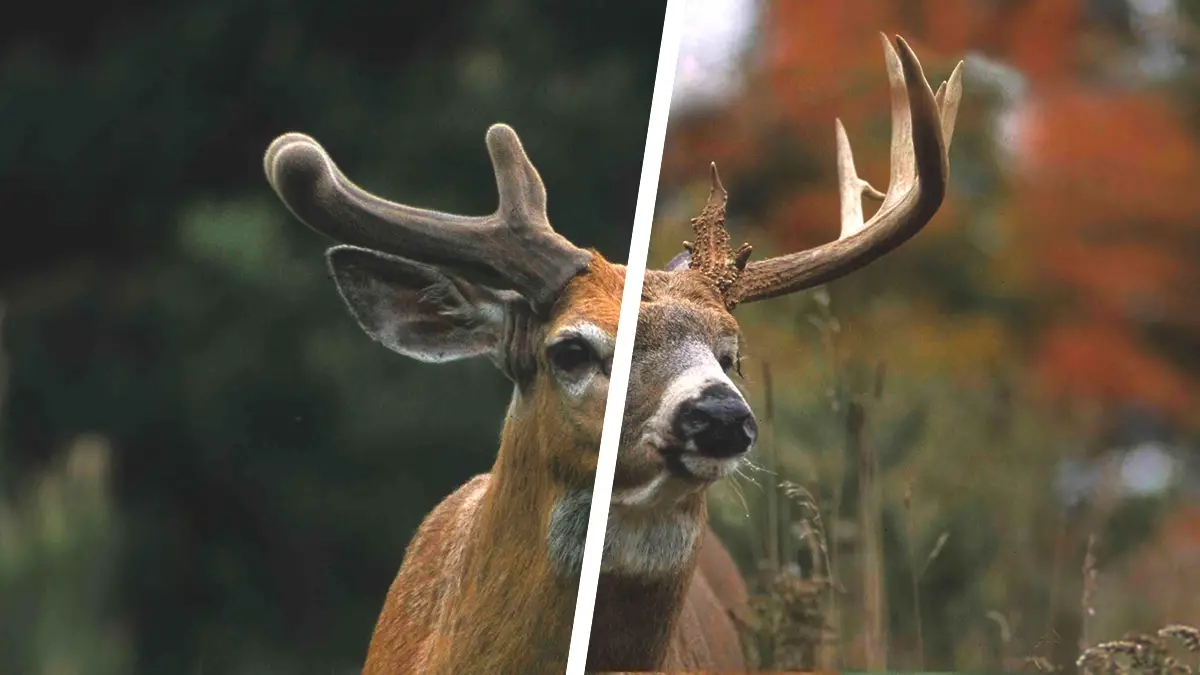
Whitetail Deer Antler Growth Chart by Month

Whitetail Deer Size Chart

Whitetail Buck Age Chart

Mule Deer Antler Growth Chart
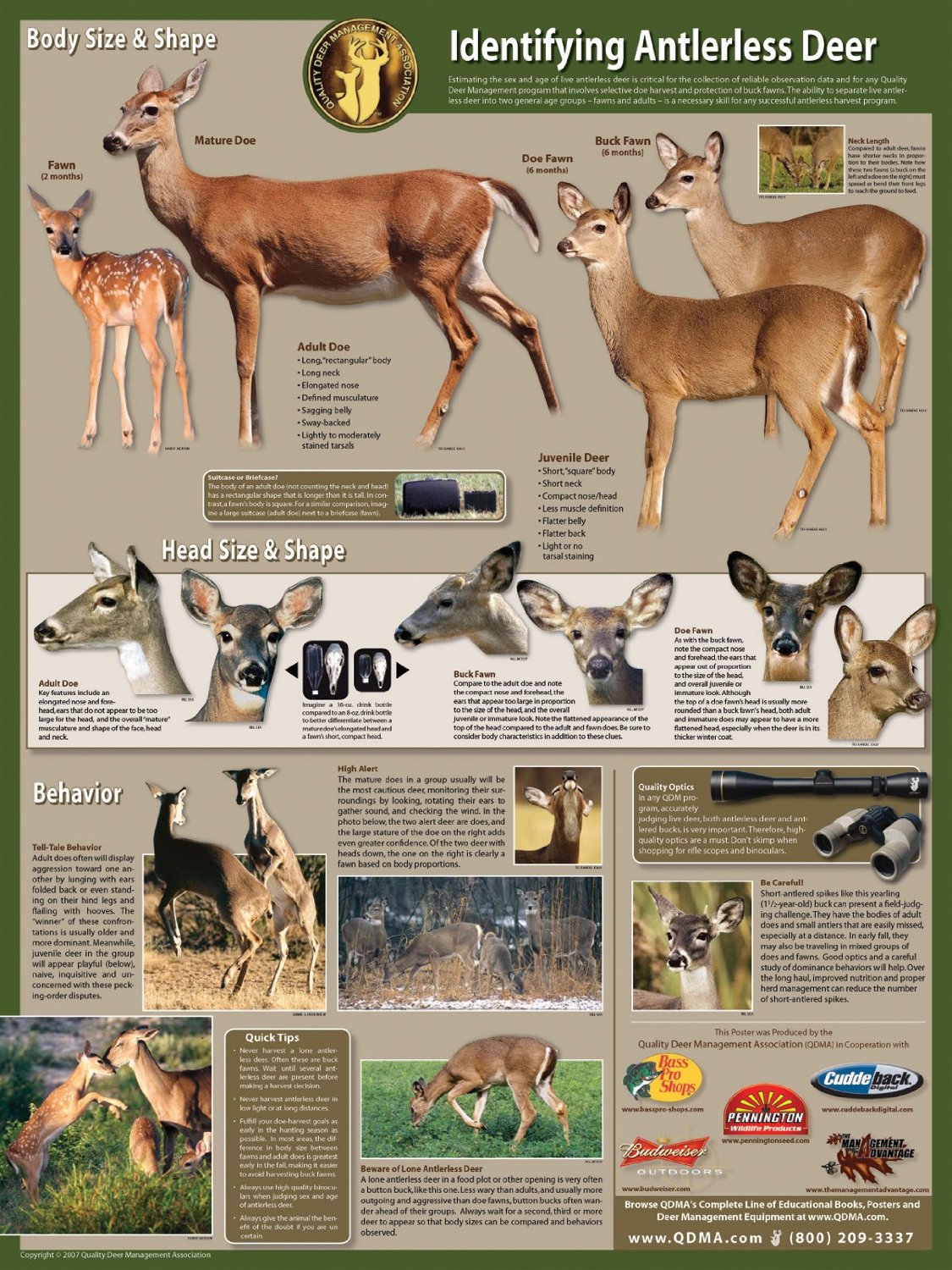
How To Age Whitetail Deer On The Hoof Pictures

Deer Antler Growth Chart
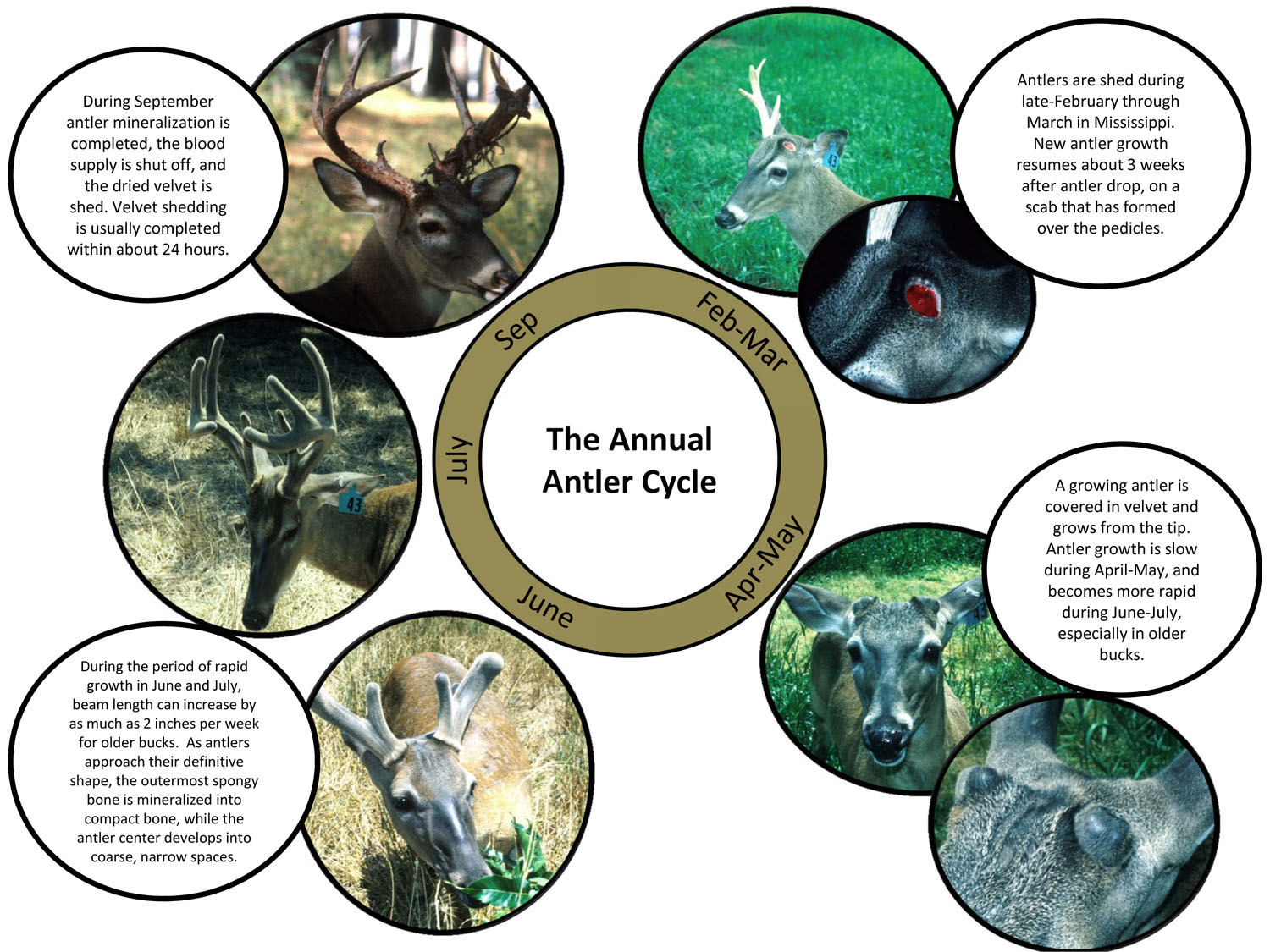
Antler Growth Cycle Deer Ecology & Management Lab Mississippi State

Whitetail Deer Antler Growth Chart

"The Growth and Maturity of the Whitetailed Buck" Paper Print Deer
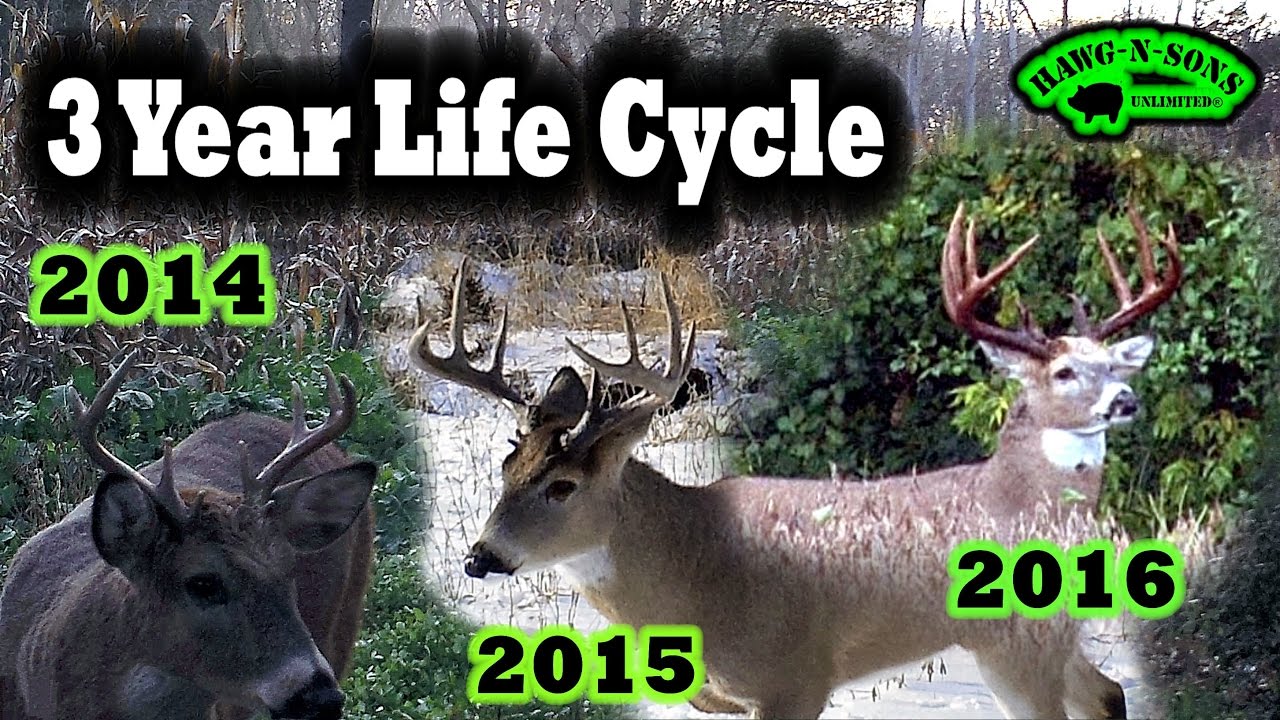
Whitetail Deer Antler Growth Chart By Month
Each Of These Changes Over Time, And How They Look Can Provide Clues As To What Age A Deer Is Or Isn’t.
Most Importantly, The Chart Displays A Truth About All Whitetail Populations, Which Is That Bucks Of Any Single Age Class Will Display A.
Older Bucks Typically Shed & Start Growth First;
Web The 3 Most Important Factors For Antler Growth.
Related Post: