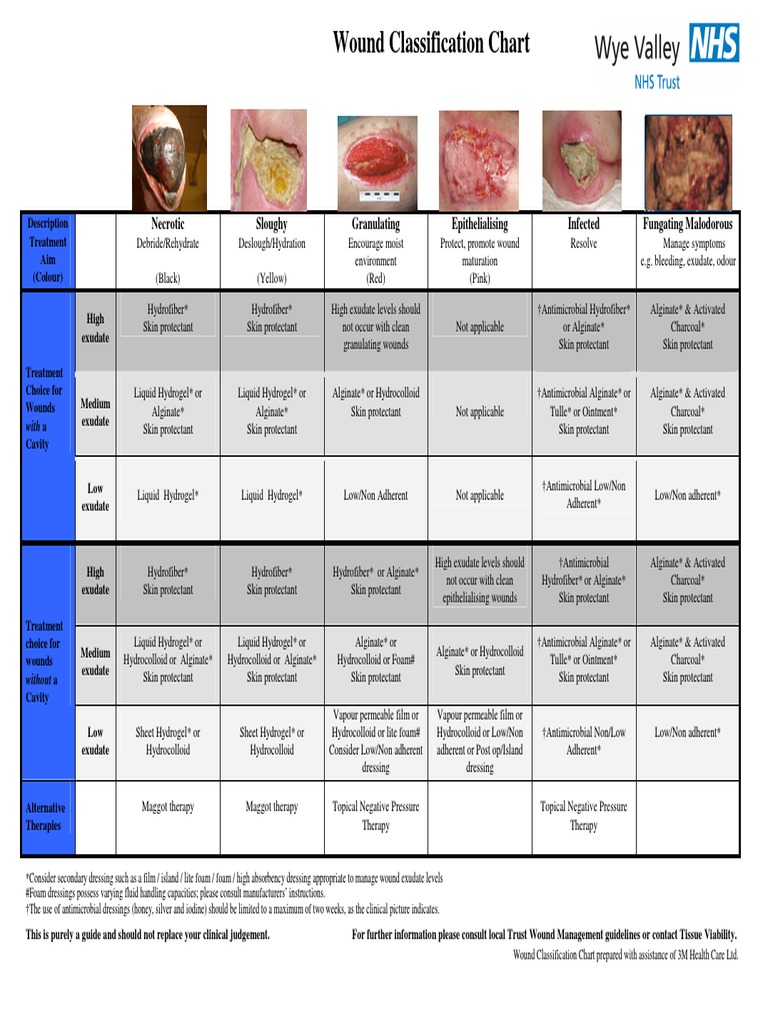
Wound Dressing Selection Chart
Wound Dressing Selection Chart - What you need to do: Web judicious selection of dressings based on wound characteristics, physical properties of dressings and their costs, shelf life and availability are important for delivering appropriate care towards timely healing of acute wounds. Do not cleanse wounds with 100% dry eschar. Web considerations in dressing selection when treating a wound—whether chronic or acute—health care professionals have many choices for dressings; Please follow local guidelines and consult the wound management formulary in your organisation. Web a guide for wound dressing selection, outlining different types of dressings, their typical uses, and pros and cons for each type. Wound may be acute or chronic. Web brighton and sussex university hospitals nhs trust wound care formulary: • using the least costly dressing to meet the requirements of the wound (jeffcoate et al, 2009) to comply with the treatment. Ability to purchase dressing supplies if required). Activities and impact on dressings (e.g. Web a guide for wound dressing selection, outlining different types of dressings, their typical uses, and pros and cons for each type. Web dressing selection for wound care can be overwhelming for health care providers, but the choice is simplified by asking specific questions about the wound, the dressing type, and the patient or caregiver. Web dressings are used to protect wounds from infection and assist with moist wound healing, but knowing what dressing to choose can be complex. Dressings that absorb, such as foams and super absorbents, provide these functions and allow longer wear times as indicated. Always work in a clean environment and aim to involve the patient and their caregivers. Web wounds should be assessed for necrosis and infection, which need to be addressed prior to selecting an ideal dressing. Further advice may be obtained from the tissue viability team. Updated 04/2020 author c gillespie ratified 29/05/2020 v2. Patient preference is important and influences concordance wi. What you need to do: Web considerations in dressing selection when treating a wound—whether chronic or acute—health care professionals have many choices for dressings; Web this article examines the different types of wound dressing available, looks at the healing properties of each dressing and provides examples of the types of wounds that each dressing type should be used upon. Learn. Web dressing selection for wound care can be overwhelming for health care providers, but the choice is simplified by asking specific questions about the wound, the dressing type, and the patient or caregiver. Web this article examines the different types of wound dressing available, looks at the healing properties of each dressing and provides examples of the types of wounds. Wound may be acute or chronic. Web this article examines the different types of wound dressing available, looks at the healing properties of each dressing and provides examples of the types of wounds that each dressing type should be used upon. Learn about the role of dressings in moisture management, infection control, protection, and pain management. What you need to. Activities and impact on dressings (e.g. Web when choosing a wound dressing consider the following: Do not cleanse wounds with 100% dry eschar. Web this article examines the different types of wound dressing available, looks at the healing properties of each dressing and provides examples of the types of wounds that each dressing type should be used upon. For deeper. Criteria to consider for an ideal dressing. Web using dressings that keep the wound warm and maintain an optimal moist wound environment will prevent moisture imbalance and promote healing. What you need to do: Web wounds should be assessed for necrosis and infection, which need to be addressed prior to selecting an ideal dressing. For deeper wounds, use an alginate. Updated 04/2020 author c gillespie ratified 29/05/2020 v2. Dressings that absorb, such as foams and super absorbents, provide these functions and allow longer wear times as indicated. Select the appropriate dressing based on goal of wound care, wound. Although appropriate dressing selection is important, dressings form just a small part of the holistic treatment package. Do not cleanse wounds with. Assess for client and family concerns. Web this article summarized the advantages of various wound dressings and their applications in different wounds, aiming to provide a clinical guideline for the selection of suitable wound dressings for effective wound healing. But which dressing will best help to facilitate rapid healing in the patient? Learn about the role of dressings in moisture. Activities and impact on dressings (e.g. Additionally, the choice of dressing may be influenced by a physician's expertise, the availability of the dressing at the moment, and the cost [citation 9]. For deeper wounds, use an alginate alternative dressing. Web discover the types, functions, and selection considerations for wound dressings to promote effective wound healing. Web using dressings that keep. Wound may be acute or chronic. Do not cleanse wounds with 100% dry eschar. • be able to provide for moist wound healing by absorbing exudate or adding moisture. Criteria to consider for an ideal dressing. • addressing issues identified within the wound bed and surrounding skin. Further advice may be obtained from the tissue viability team. • be able to provide for moist wound healing by absorbing exudate or adding moisture. • using the least costly dressing to meet the requirements of the wound (jeffcoate et al, 2009) to comply with the treatment. Cleanse wound and periwound skin. Wound healing occurs in a predictable fashion. Select the appropriate dressing based on goal of wound care, wound. Web • dressing selection should be based on promoting moist wound healing. Dressings that absorb, such as foams and super absorbents, provide these functions and allow longer wear times as indicated. This kestrel white paper presents a conceptual framework for the wound dressing product selection process that is based on three principles: For deeper wounds, use an alginate alternative dressing. • remain securely in place during all activities. Select a dressing or dressing combination that can remain in place as long as possible and maintain an appropriate moisture balance. Web using dressings that keep the wound warm and maintain an optimal moist wound environment will prevent moisture imbalance and promote healing. Learn about the role of dressings in moisture management, infection control, protection, and pain management. • using the least costly dressing to meet the requirements of the wound (jeffcoate et al, 2009) to comply with the treatment. Web this article examines the different types of wound dressing available, looks at the healing properties of each dressing and provides examples of the types of wounds that each dressing type should be used upon. Web considerations in dressing selection when treating a wound—whether chronic or acute—health care professionals have many choices for dressings; Ability to purchase dressing supplies if required). Additionally, the choice of dressing may be influenced by a physician's expertise, the availability of the dressing at the moment, and the cost [citation 9]. Do not cleanse wounds with 100% dry eschar. Wound may be acute or chronic.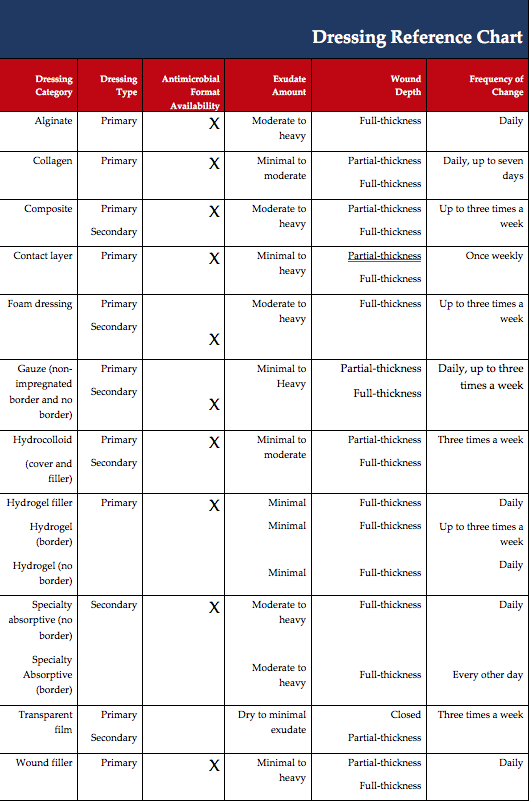
How Do You Select a Wound Dressing? Wound Dressing Categories and Selection
Wound Dressing Guide Wound Clinical Medicine
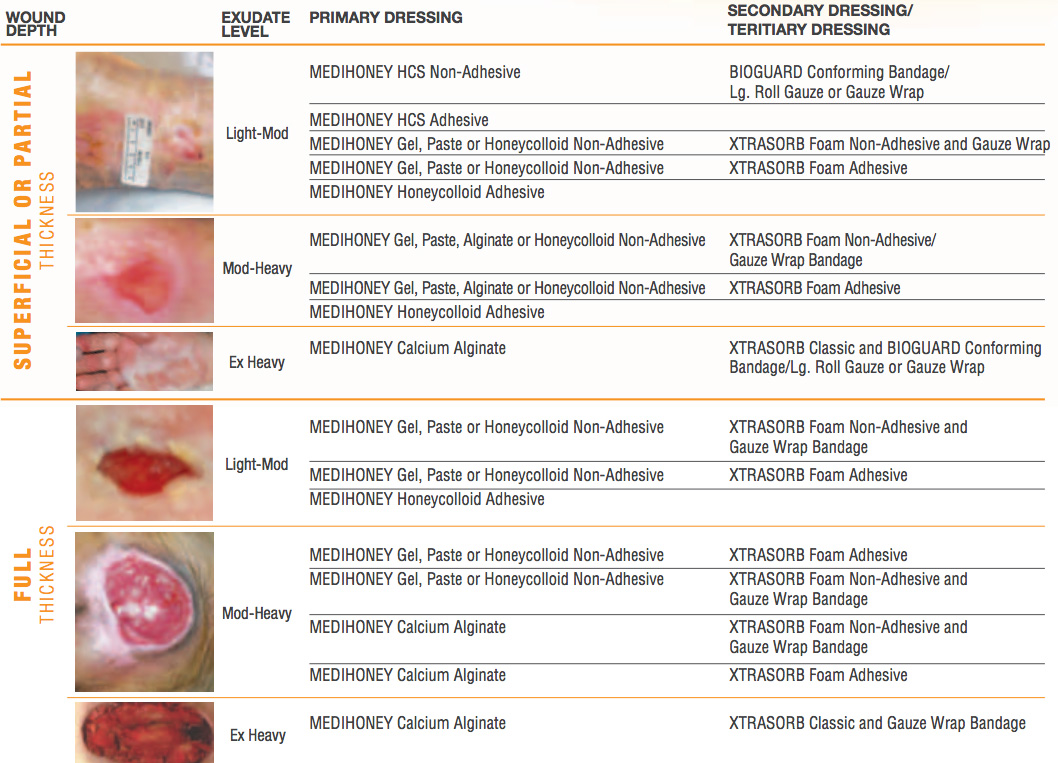
MEDIHONEY® with Active Leptospermum Honey Kromh
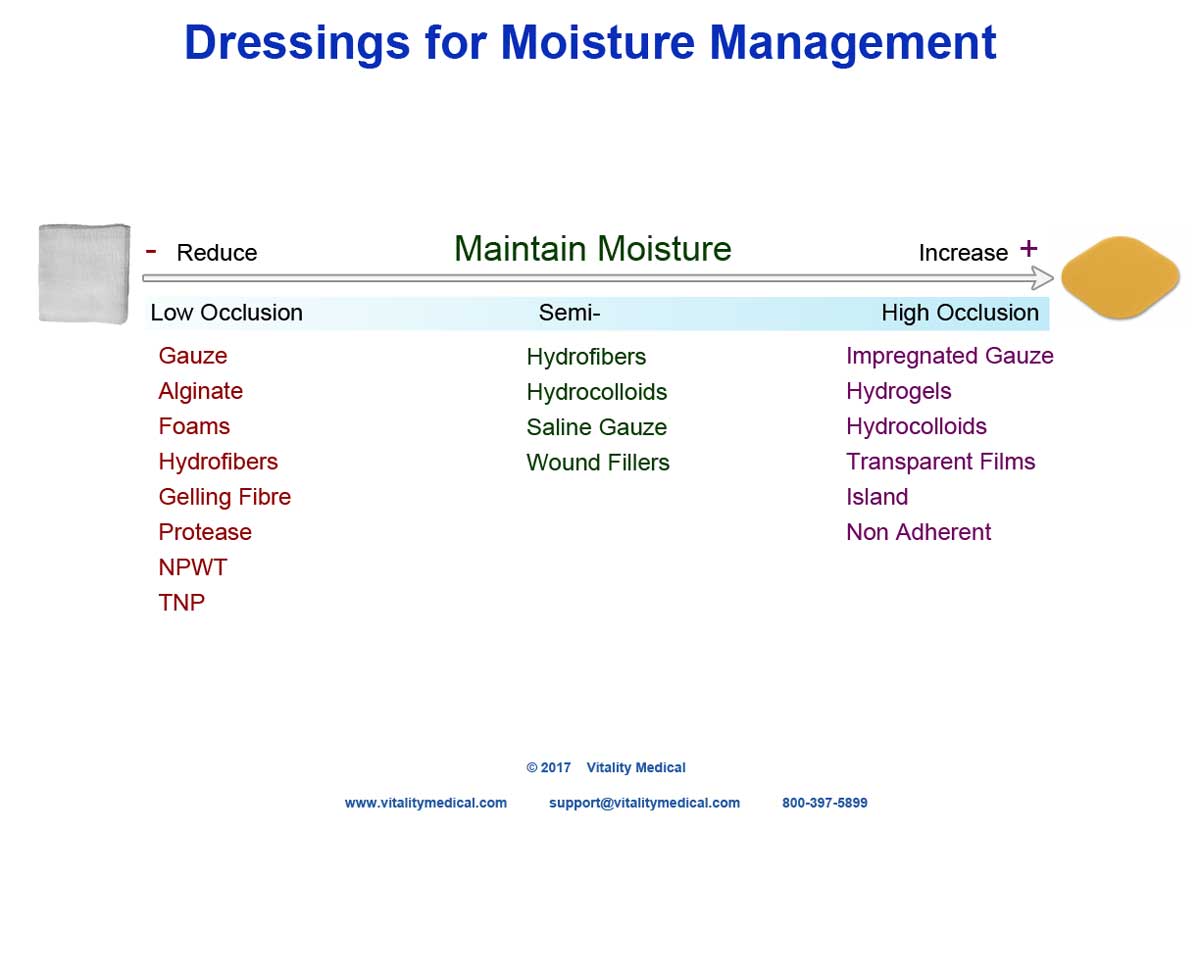
Types Of Wound Dressings Printable Chart
Wound Dressing Selection Chart
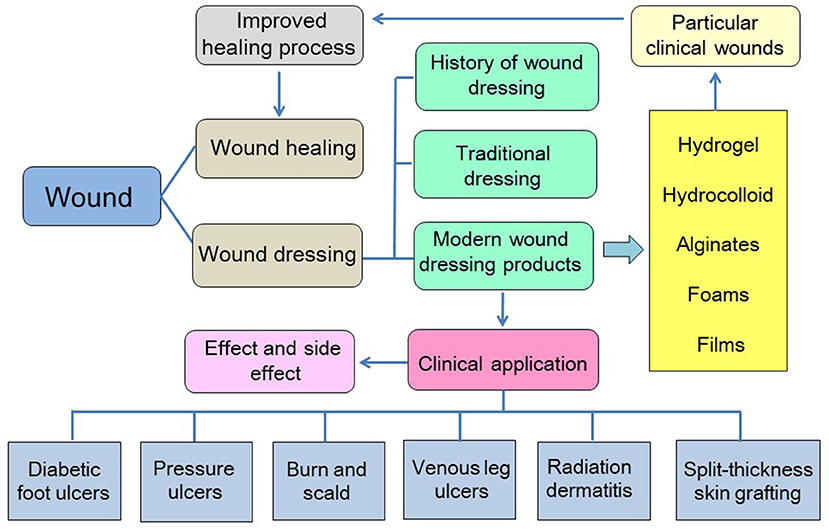
Wound Dressing Selection Chart
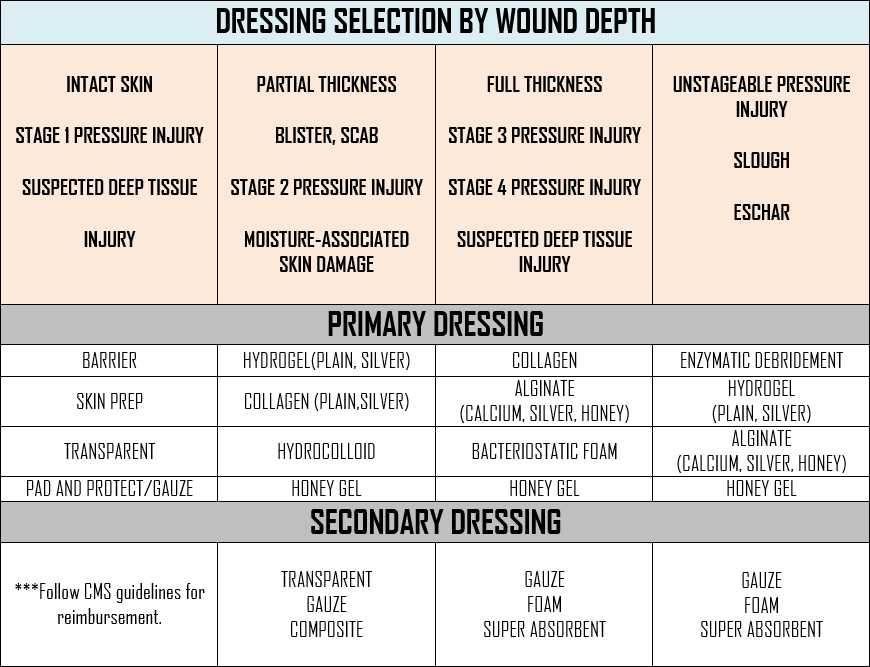
Simplifying Dressing Selection Category and Wound Depth WoundSource
Types Of Wound Dressings Printable Chart

Wound Care Dressing Chart
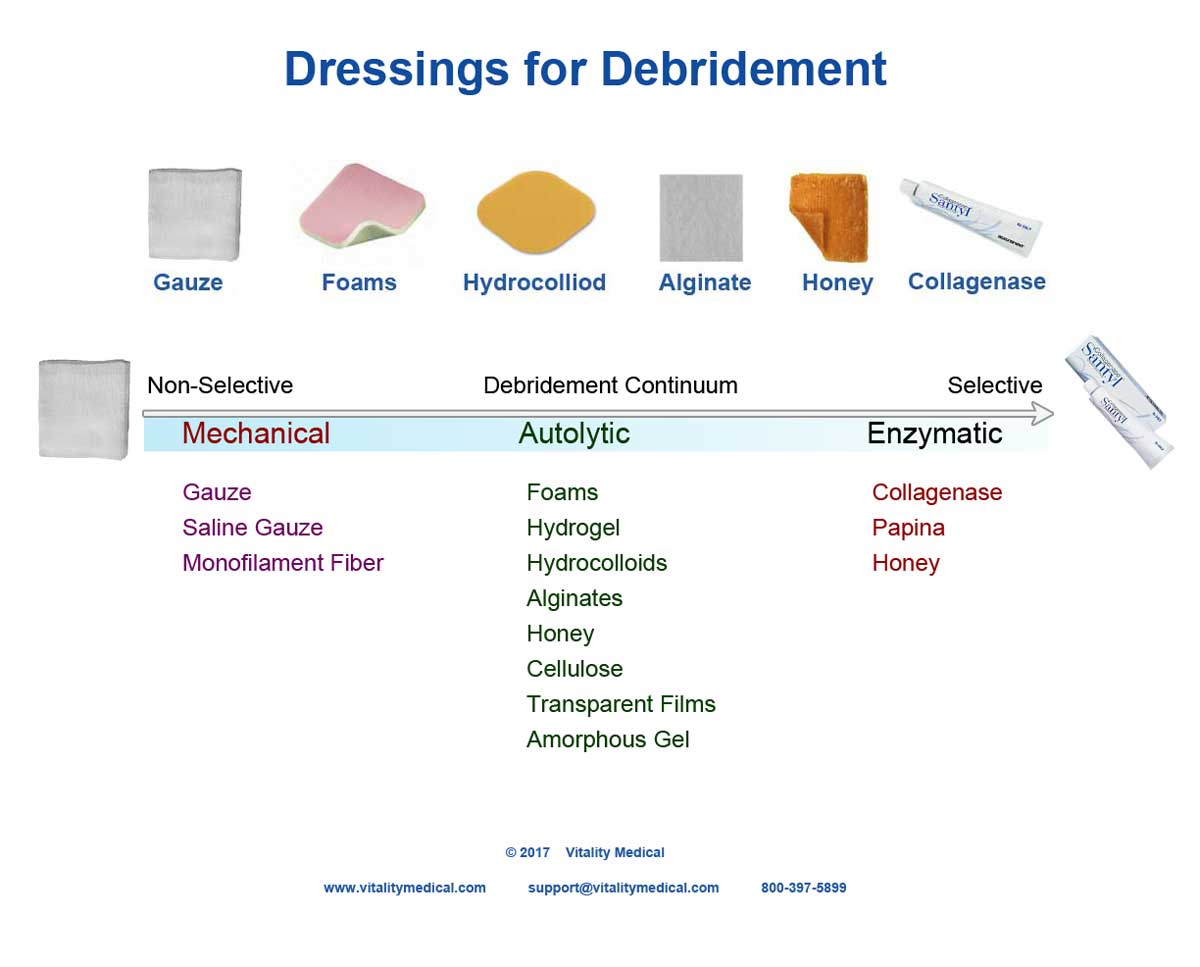
Wound Dressing Alginate Hydrocolloid Hydrogel Honey Foam
• Addressing Issues Identified Within The Wound Bed And Surrounding Skin.
Web Appropriate Dressing Selection For Treating Wounds.
Web Discover The Types, Functions, And Selection Considerations For Wound Dressings To Promote Effective Wound Healing.
Web Dressing Selection For Wound Care Can Be Overwhelming For Health Care Providers, But The Choice Is Simplified By Asking Specific Questions About The Wound, The Dressing Type, And The Patient Or Caregiver.
Related Post: